Driver Management for Commercial Fleets: Safety Workflows, Coaching and Monitoring
Commercial fleet operations
Driver management is the process of setting expectations, supporting drivers, reviewing events and following through on agreed actions. A Driver Monitoring System (DMS) is one source of information within that process. A useful fleet program combines clear responsibilities, driver feedback and contextual evidence; a camera alert alone is not a management decision.
The practical starting point
Choose one driver-safety workflow, name its owner and define how an event will move from an initial signal to a reviewed outcome. Tell drivers what is collected, who can see it and how they can correct the record. Test that complete workflow before adding more alerts or expanding the equipment deployment.
How does driver management differ from DMS?
Driver management covers people, policies and operating routines. Depending on the fleet, it can involve driver onboarding, training, assignment readiness, safety reporting, event review and coaching records. A driver-management software tool may organize some of those records, but its functions depend on the specific platform.
DMS means Driver Monitoring System here: hardware and software designed to detect supported signs of fatigue or distraction. It does not replace a supervisor, establish a driver's medical condition or demonstrate that the whole operation complies with local requirements.
| Scope | Main question | Example output |
|---|---|---|
| Driver management | What expectations and support does the driver need? | An agreed review, coaching or operational action |
| Driver monitoring | Did the selected system detect a supported event? | An alert or event record requiring context |
| Fleet management | How are vehicles, jobs and resources being managed? | Dispatch, utilization, service or operating reports |
For technology boundaries, read DMS functions, limits and fleet use. For the wider operating system, see the fleet management selection and workflow guide.
Start with clear responsibilities and driver preparation
Write a short policy that explains the expected behavior, how drivers raise concerns and how supervisors respond. Include the practical situations your routes create: unfamiliar vehicles, restricted sites, changing shifts, difficult weather and customer delays.
- Operations: checks route and assignment conditions and resolves pressures that affect the job.
- Safety reviewer: checks evidence, records the review and selects appropriate follow-up.
- Driver: reports relevant context, equipment problems and concerns about the record.
- Technical support: resolves camera positioning, time synchronization, connectivity and device faults.
Introduce the process during onboarding and reinforce it when equipment or procedures change. Confirm which training and qualification requirements apply to the operation with the responsible team. Use the fleet safety culture guide to connect these routines with management responsibility.
Address fatigue, distraction and operating pressure together
Choose procedures that match the route and task. A fatigue-related alert, distraction concern or speed event can call for different immediate responses and different follow-up. Drivers should know the applicable safe-response procedure before an alert occurs, rather than receiving only a list of prohibited behaviors.
Review the conditions around repeated concerns: workload, shift changes, route timing, visibility, equipment fit and conflicting instructions. Coaching alone may not address a scheduling or installation problem. Identify whether the action belongs to the driver, dispatch team, manager or technical team.
Use the existing guides for DMS fatigue and distraction deployment, fleet distraction policy and coaching and fleet speed management for the relevant subtopic.

Build an event review that ends in a clear action
The following is an example operating workflow, not a universal legal procedure. Adapt the escalation rules, access controls and timing to the fleet's risks and applicable requirements.
Receive and identify the event
Record the vehicle, driver assignment, timestamp, source and event type. Check for missing identifiers or a device-health issue before attributing the event.
Review the context
Use only the information needed for the review: a relevant clip, location record, route context or operator report. Distinguish a system detection from a confirmed concern, and keep an unresolved category for incomplete evidence.
Ask for the driver's account
Explain the event being reviewed and let the driver add context. Record corrections and disagreements rather than treating the first system label as the final outcome.
Agree an action and an owner
The action may be coaching, an equipment adjustment, a dispatch change or no further action after review. Name who will do it and when the result will be checked.
Recheck and close the record
Confirm the action was completed and assess whether the original issue persists. Record the result and any remaining limitation. Escalate repeat issues using the agreed policy.
Example record
Event: a camera-generated distraction flag. Review: the relevant clip and driver account indicate an authorized stationary task. Action: correct the classification and ask technical support to review the operating configuration. This example illustrates review steps; it is not a customer case or a performance claim.
Understand what each data source can show
GPS records can help reconstruct a trip or vehicle position, subject to the available update interval and coverage. Video can provide a view of a recorded event, subject to camera placement, recording settings and retrieval. DMS can provide supported alert categories, subject to the selected model, setup and operating conditions.
Agree the vehicle identifiers, clocks and event definitions across systems. Check delayed uploads and gaps so that the reviewer understands whether records describe the same time and assignment. A missing clip is not proof that nothing occurred, and an alert is not proof of intent.
For clip access and driver support, use video telematics for remote fleet oversight. For connecting the records to an existing platform, use the AI dashcam and telematics integration guide.
Define access, retention and a correction process
Explain the purpose of collection, the data sources and who can review or export records. Separate operational access from administrative access. Define how shared clips, downloaded files and backups are handled alongside the platform's retention settings.
Give drivers a documented route to ask about a record and request a correction. Identify who handles requests, how the outcome is recorded and how an unresolved disagreement is escalated. Confirm local privacy and employment requirements with the responsible team before deploying worker monitoring; this guide does not supply a jurisdiction-specific lawful basis or retention period.
Test the settings rather than relying only on a written policy: try the reviewer and driver-support roles, check export permissions and confirm the intended deletion process works.
Measure the workflow and run a representative pilot
Select measures that show whether the process is usable. Define the numerator, denominator and exclusions before comparing teams or periods. Changes in route mix, recording coverage or detection settings can change event counts without showing a change in driver behavior.
| Measure | Definition to agree | What it helps assess |
|---|---|---|
| Review time | Time from event availability to a completed human review | Whether reviewers can retrieve context and keep up |
| Unresolved records | Reviewed records lacking enough evidence for an outcome | Data, retrieval or assignment gaps |
| Action completion | Completed actions divided by actions due in the same period | Whether follow-up happens |
| Reviewed event rate | Defined reviewed events per agreed driving hours or distance | Trends within comparable routes and settings |
Include representative vehicles, shifts, drivers and coverage conditions. Run an event through the whole process, including a disputed record, an offline period and an equipment fault. Record staff effort and driver feedback as well as device behavior. Set acceptance criteria locally; this guide does not assume a universal pass rate or promise accident reduction.
- Can the reviewer identify the correct assignment and time?
- Can the reviewer retrieve the relevant evidence and document a limitation?
- Can the driver supply context and use the correction process?
- Can the owner complete and verify the agreed action?
- Can the fleet distinguish a driver concern from a workflow or equipment issue?
Translate the workflow into an equipment requirement
Define the evidence and response you need before choosing hardware. List the necessary views, alert categories, operating conditions, recording and retrieval settings, platform interface and installation constraints. Ask which features are standard, optional or dependent on another system.
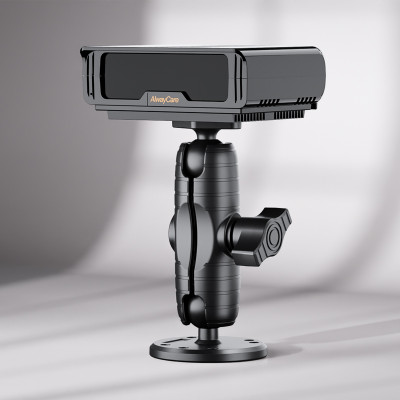
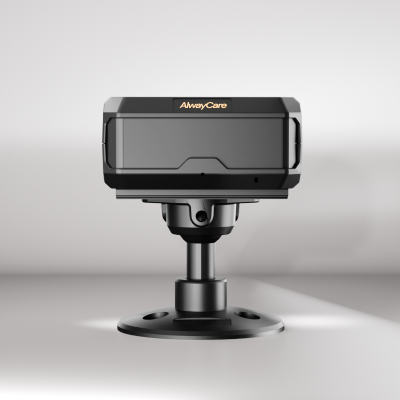
AlwayCare's DMS, camera and recording options should be evaluated against the specific vehicle and configuration. This does not establish that AlwayCare supplies payroll, scheduling, HR or every driver-management software function. Confirm the hardware, platform and integration responsibilities for the project.
The practical DMS buyer’s guide provides the procurement entry point; the DMS vehicle-fit guide addresses installation differences. Keep cost and regulatory questions separate from the operating workflow and validate them for the intended market and configuration.
Common questions
Is a driver management system the same as DMS?
No. Driver management is the wider process for expectations, support and follow-up. DMS refers to driver monitoring technology in this guide.
Does every alert require coaching?
No. Review the context first. An event may need an equipment fix, a corrected record, an operational change or no further action.
Should a fleet compare drivers using raw alert totals?
Raw totals can reflect different driving exposure, routes and recording settings. Agree comparable definitions and review data quality before interpreting a difference.
What should be piloted first?
One complete workflow: receive a signal, review evidence, hear the driver's account, assign an action and verify its outcome.
Sources and scope
This is a practical workflow guide for fleet managers, safety teams and integrators. FMCSA's Safety Management Cycle overview provides a management framework linking policy, responsibilities, training, monitoring and action. It is a U.S. motor-carrier reference, not evidence of requirements in every market. The example review process, record and measures above are an editorial application of those general management ideas, not prescribed FMCSA procedures.
Technology scope and related reading were checked against current AlwayCare articles on October 9, 2026. Specific legal requirements, product performance and pricing are outside the scope of this article and need separate project-level verification.
For a step-by-step process after an event becomes available, use the driver-event review and coaching workflow. It provides outcome categories, record fields and checks for verifying the follow-up.
Before expanding driver monitoring within this management workflow, use the DMS pilot test and acceptance checklist to test the selected configuration, review process and acceptance evidence.