Driver Monitoring Systems: Functions, Limits and Fleet Use
Driver Monitoring Guide
A driver monitoring system uses a camera and software to watch for selected signs of fatigue, distraction or unsafe behaviour. It is a warning and review tool, not a medical device or a guarantee against crashes.
The short answer
Choose the risk and alert list first. Test the camera with real drivers, light and cab conditions. Define the immediate driver response and the manager review. Protect personal data and fix schedules or work pressure that create repeat events.

What can a DMS detect?
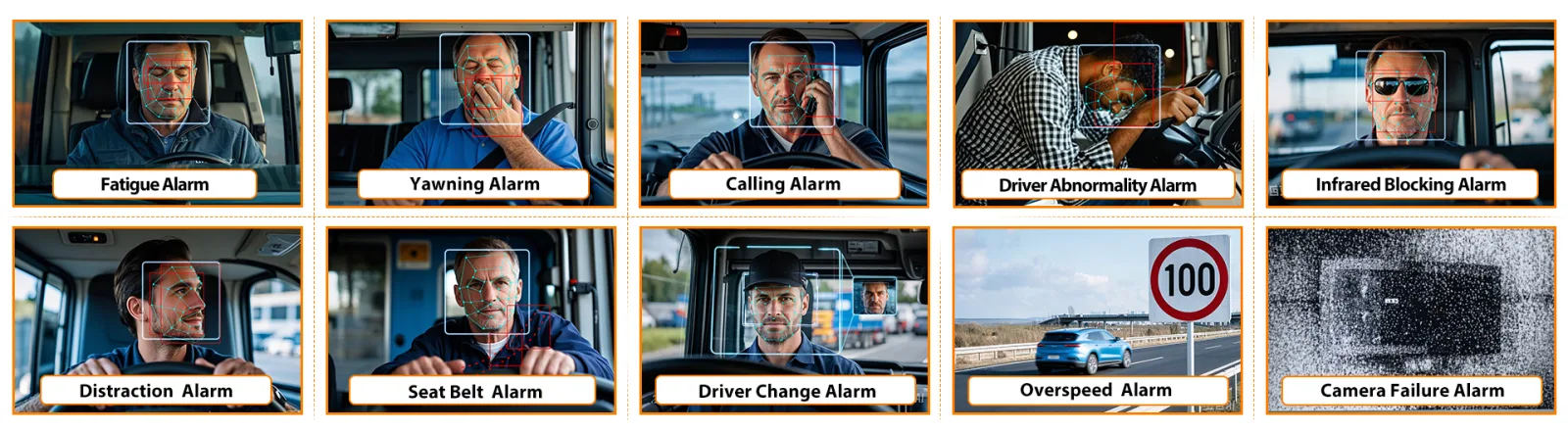
Depending on the model, a DMS may flag long eye closure, yawning, looking away, phone use, smoking, no seat belt or a blocked camera. The exact function must be confirmed for the chosen product.
What can a DMS not prove?
An alert does not prove that a driver is medically fatigued or intentionally unsafe. The system may miss an event or create a false alert. It also cannot replace legal hours, rest or supervision.
- Define the driver risk
- Confirm the exact alert list
- Pilot real drivers and cabs
- Set response, privacy and review rules
How should alerts be tested?
Test day, night, sunlight, glasses, masks, seat positions and vibration. Use several drivers and vehicles. Record missed and nuisance alerts and check whether the warning gives enough time for a safe response.
How should fleets use DMS data?
Tell drivers what is collected and why. Limit who can view it and how long it is kept. Review the full event and let the driver explain. Use the data to improve both behaviour and work design.
Where can AlwayCare fit?
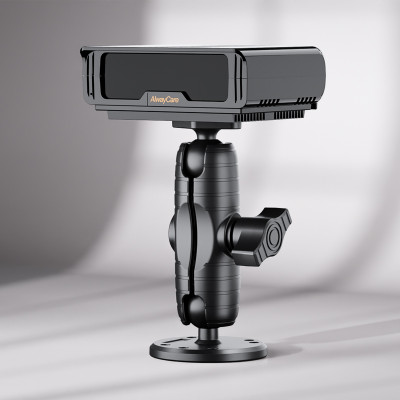
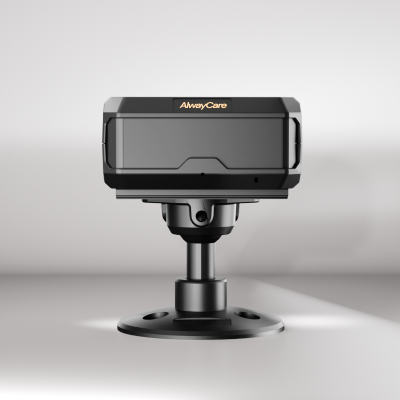
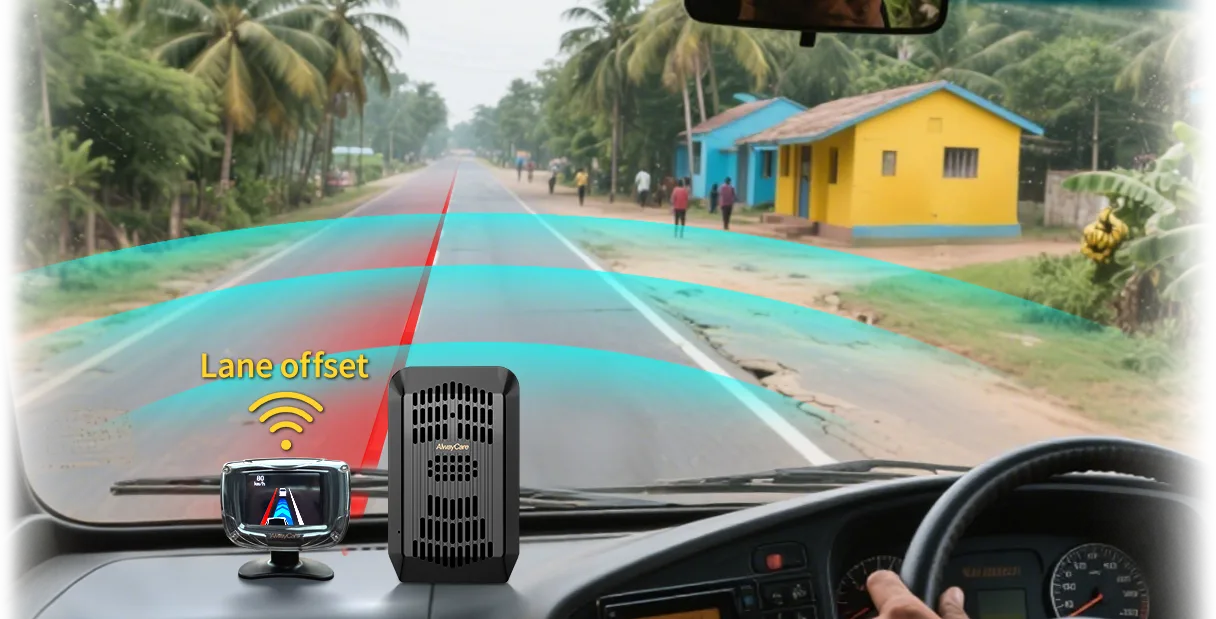
AlwayCare supplies stand-alone and connected DMS options. Review the DMS category and confirm alerts, camera, storage, network and platform needs.
Common questions
Can DMS diagnose fatigue?
No. It can flag selected visible signs for a safe response.
Does DMS replace work and rest rules?
No. Legal and operational fatigue controls still apply.
Should every alert lead to discipline?
No. Review system quality, context and driver input first.
Key point to remember
DMS is useful when the alert, limit, response and data rule are all clear.
Contact AlwayCare to discuss the vehicle, work area and warning or recording needs.
Information checked
This guide uses general driver-monitoring and fleet data-governance practices. Unsupported accident-reduction and customer-case claims were removed.
From deployment questions to procurement
For a procurement workflow that turns these limits into testable requirements, use the practical fleet DMS buyer’s guide. Confirm the selected model and configuration rather than assuming that every DMS has the same capabilities.
For the wider management process around alerts, evidence, driver feedback and follow-up, read driver management for commercial fleets. It connects the monitoring tools to a reviewed action without treating a device alert as a final finding.