
- Tag Filter
- Problem Solving
- Collision Avoidance
- Blind Spot Monitoring
- Anti-fatigue
- Scenarios
- Vehicle Manufacturers
- Mining Fleets
- Logistics and Transportation
- Hazardous Chemicals Fleets
- School Bus Fleets
- Public Bus Fleets
- Forklift Fleets
- Insurance
- Government and Public Safety
- Business Attributes
- Customized
- Hot Sale
- New Product
- Fast Delivery
AI Camera
Edge Neural AI Vehicle Cameras for Fleet Blind Zones
AI vehicle cameras combine video capture with supported onboard detection functions. Compare the targets each model detects, its video output, alert connections and installation requirements before selecting a camera for commercial vehicles. Optical, thermal and host-system requirements vary by model; confirm the exact camera and monitor or recorder pairing.
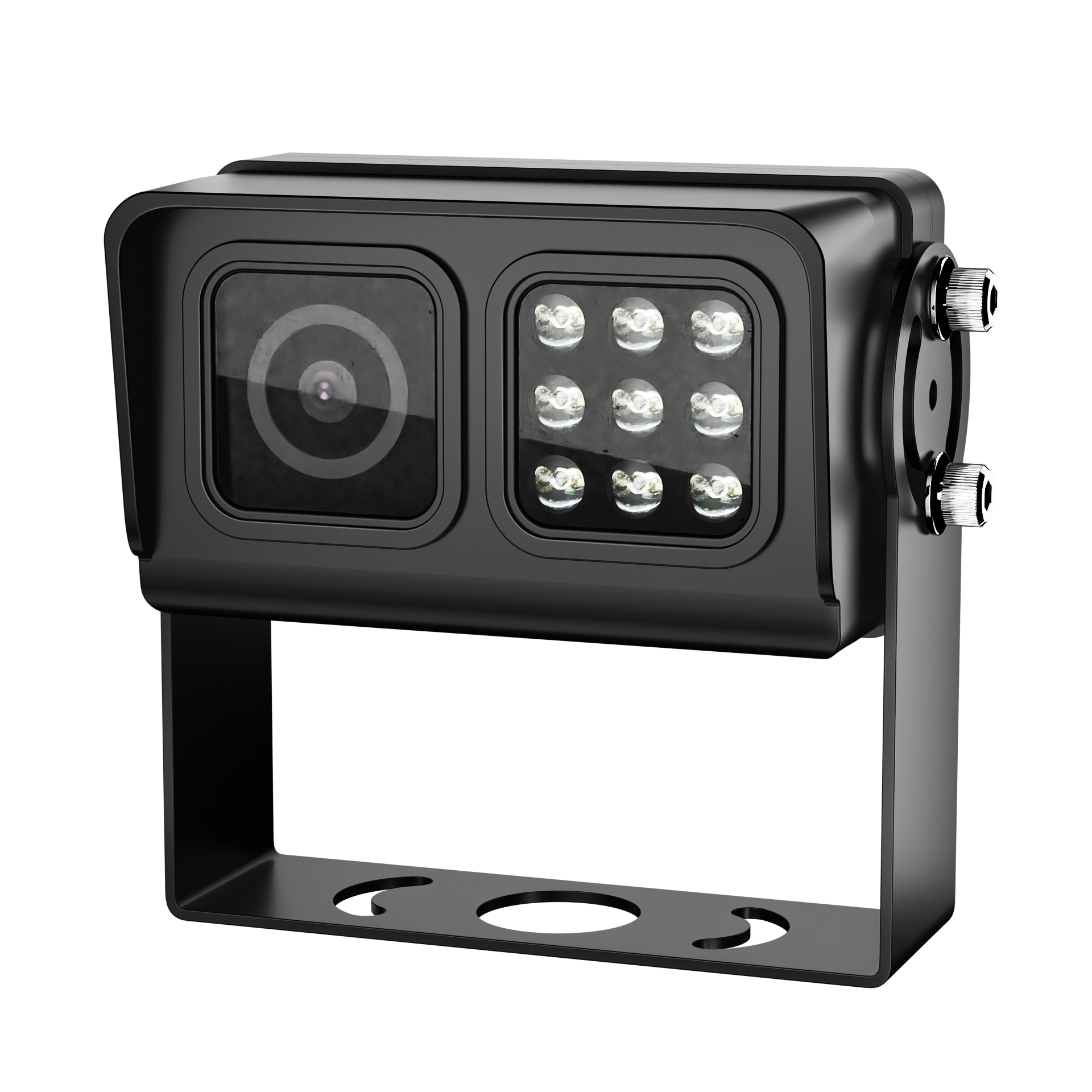
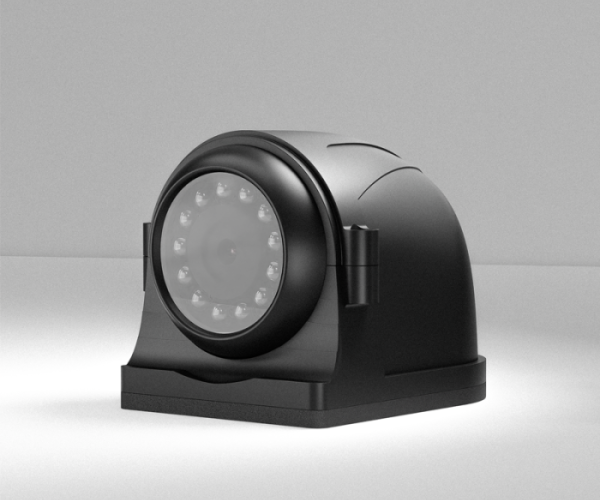
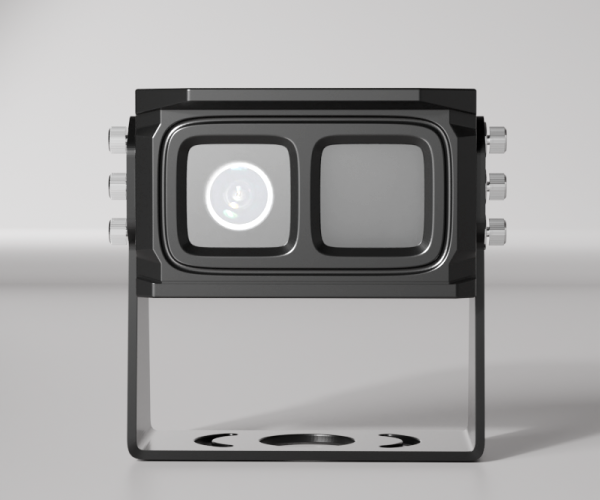
Compare AlwayCare AI Vehicle Camera Options
Direct side-by-side engineering comparison across compact blind-spot sensors, heavy-duty IP69K industrial cameras, voice-alarm units, and dual-spectrum thermal night-vision sensors.
| Feature / Parameter |
CC1004-BSD
COMPACT FLEET
Side Blind Spot AI
|
CC1003-AHD20
HEAVY INDUSTRIAL
IP69K Rugged NPU
|
CC1002-BSD
VOICE ALARM
Audible Warning Unit
|
CC1003-AHD21
DUAL-SPECTRUM
Thermal + Optical AI
|
|---|---|---|---|---|
| Sensing & AI Technology Optical sensor core | 1080P Full HD + Embedded Edge NPU | 1080P Sony Starvis + Heavy-Duty NPU | 1080P Full HD + Audio DSP Warning | Uncooled Thermal IR Sensor + 1080P Optical |
| Detection Targets AI recognized hazards | Pedestrians, Cyclists (VRUs), Vehicles | VRUs, Moving Machinery, Obstacles | Pedestrian Zone Intrusion Warning | Human Body Heat Signatures & Moving Targets |
| Night & Weather Capability Vision in severe darkness/smoke | Integrated High-Output Infrared (IR) | Infrared Night-Vision + WDR Balance | Infrared Night-Vision Mode | Total Zero-Light & Dense Fog Thermal Penetration |
| Ingress Protection & Casing Durability & sealing | IP69K Heavy Metal Housing | IP69K High-Pressure Washdown Sealed | IP68 Weatherproof Casing | IP69K Heavy Industrial Cast Housing |
| Video Output & Audio Interface Interface connections | AHD 1080P / CVBS + Alarm Relay | AHD 1080P + High-Output I/O Trigger | AHD 1080P + Built-In Voice Speaker | Dual Video Output (Thermal + Optical AHD) |
| Operating Voltage Vehicle input rating | 12V / 24V DC Commercial Input | 12V / 24V DC Commercial Fleet Input | 12V / 24V DC Input | 12V / 24V DC Heavy Machinery Input |
| Product Record | View CC1004 | View CC1003 | View CC1002 | View CC1003-T |
Standalone Intelligence with Zero Host Dependency
AlwayCare AI vehicle cameras feature built-in neural processors that analyze frames directly inside the camera head, eliminating host processing bottlenecks.
Sub-50ms Inference
Embedded deep-learning processors analyze video streams at up to 30 frames per second, ensuring immediate alert triggers when a pedestrian steps into a blind spot.
Thermal Night Vision
Thermal models detect human and animal body heat signatures through dense dust, blinding headlamp glare, steam, and total pitch-black night operations.
IP69K Metal Armor
Solid alloy die-cast housings protect internal electronics against stone chips, heavy gravel strikes, and industrial high-pressure power washing.
Universal Compatibility
Outputs standard AHD video with bounding box overlays and direct I/O trigger wires that connect to any in-cab monitor, MDVR host, or external warning buzzer.
Tested Across High-Impact Industrial Fleets
Protecting personnel and heavy machinery in severe industrial conditions.
Mining Dumpers & Heavy Excavators
Heavy-duty IP69K AI cameras endure continuous dust clouds and gravel impacts, warning heavy equipment operators whenever utility vehicles or miners enter exclusion zones.
Reach Stackers & Terminal Tractors
High container stacks produce severe blind spots during cargo loading. AI cameras detect ground staff walking between containers and trigger immediate cab alarms.
Intercity Logistics Box Trucks
Mounted on the passenger-side door or mirror, compact AI cameras provide dedicated right-turn cyclist protection in dense metropolitan distribution routes.
AI Vehicle Camera FAQ
Technical answers on host requirements, alarm outputs, and thermal imaging.
Does the AI camera require an expensive AI MDVR host to perform detection?
No. These cameras contain embedded neural network processors directly inside the camera housing. They perform pedestrian and cyclist detection autonomously and can output bounding boxes directly to any standard AHD monitor or trigger an external buzzer.
How does the thermal imaging camera differ from standard infrared (IR) cameras?
Standard IR cameras rely on reflected infrared light that can be reflected by dust, fog, or snow. The thermal camera (CC1003-AHD21) detects emitted body heat (thermal infrared radiation), allowing it to detect pedestrians through dense fog, smoke, total darkness, and headlight glare.
Can the detection distance and hazard zones be adjusted?
Yes. Technicians can configure warning zones, detection sensitivity, and alarm triggers using AlwayCare's calibration remote or software interface to match vehicle geometry and mounting height.
Can these cameras connect directly to existing fleet telematics devices?
Yes. With built-in digital alarm trigger outputs and optional RS485 communication, the cameras can send alarm event signals to third-party GPS trackers, telematics boxes, or in-cab buzzers.
Upgrade Your Fleet with AlwayCare Edge AI Vision
Speak with our commercial vehicle vision specialists to select the right optical or thermal AI camera model for your fleet requirements.