How to Build a Fleet Safety Culture: 10 Practical Steps
Fleet Safety Culture
A fleet safety culture is the way people make safety decisions when no manager is watching. It grows when leaders set clear rules, drivers can report risk and the company fixes work problems instead of only blaming people.
The short answer
Start with visible leadership and a short set of non-negotiable rules. Make reporting easy. Train for real routes and vehicles. Use fair event reviews, fix repeat hazards and publish what changed. Measure actions as well as crash outcomes.

Where should a safety culture start?
Leaders must explain which risks matter and what safe work looks like. They also need to fund training, maintenance and realistic schedules. A rule loses trust when daily targets make it hard to follow.
What are the first ten practical steps?
Use this list as a starting plan. Give each step an owner, due date and simple measure. Adapt it to local law, vehicle type and work conditions.
- Set three clear safety rules
- Create an easy hazard report
- Train for real routes and vehicles
- Fix schedule and workload risks
- Maintain vehicles on time
- Review events with context
- Coach one action at a time
- Recognise safe choices
- Share lessons without names
- Audit and improve each quarter
How should drivers report risk?
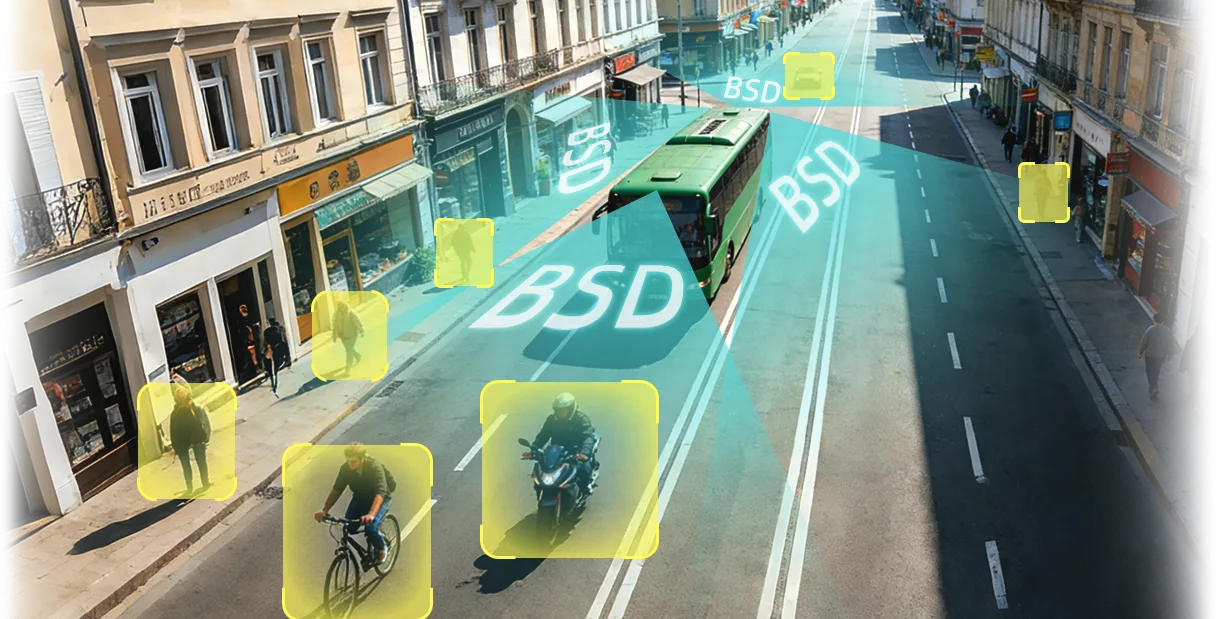
Give drivers a simple way to report a route, vehicle or schedule problem without fear. Reply quickly, record the decision and tell the team when a fix is made. Reports are useful data, not a sign of failure.
How should technology and coaching be used?
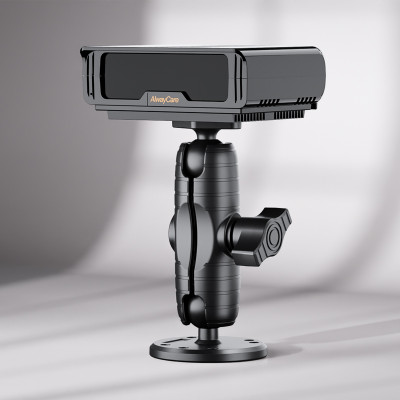
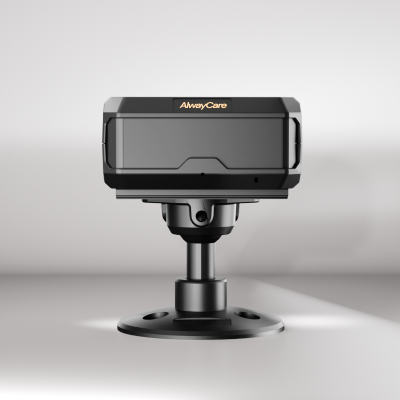
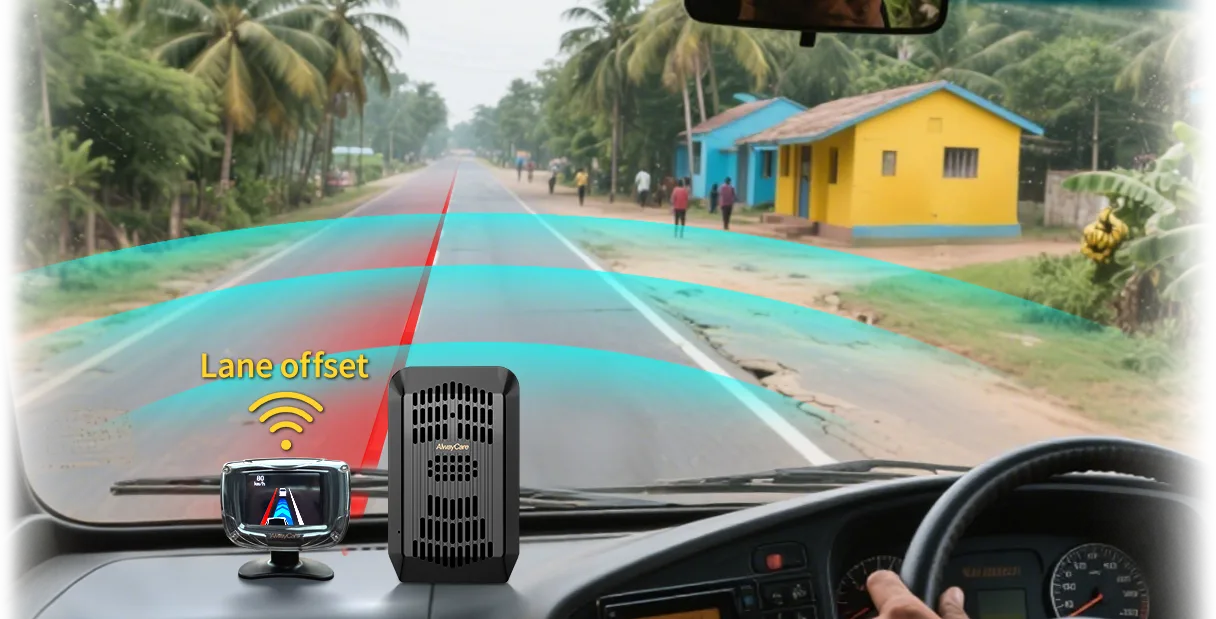
Use cameras, telematics or driver alerts for defined risks. Review each event with context and let the driver explain. Coach the action that can change, and separate system errors from driver choices.
How can the culture be measured?
Track leading actions such as closed hazard reports, maintenance completion, coaching quality and seat-belt checks. Review incidents too, but do not wait for a crash before checking whether the system works.
Common questions
Is a safety policy enough?
No. People judge the culture by schedules, maintenance and manager actions.
Should telematics scores decide discipline?
Not alone. Check data quality, context and the review process.
What is the first useful measure?
Track whether reported hazards are reviewed and closed on time.
Key point to remember
A strong safety culture makes the safe action clear, possible and fair every day.
Contact AlwayCare to discuss the vehicle, work area and warning or recording needs.
Information checked
This guide uses Safe System principles and general occupational road-safety practices. Local employment, privacy and transport rules may add duties.