
- Tag Filter
- Problem Solving
- Collision Avoidance
- Blind Spot Monitoring
- Anti-fatigue
- Scenarios
- Vehicle Manufacturers
- Mining Fleets
- Logistics and Transportation
- Hazardous Chemicals Fleets
- School Bus Fleets
- Public Bus Fleets
- Forklift Fleets
- Insurance
- Government and Public Safety
- Business Attributes
- Customized
- Hot Sale
- New Product
- Fast Delivery
BSD (Blind Spot Detection System)
Commercial Vehicle Blind Spot Detection (BSD) Systems
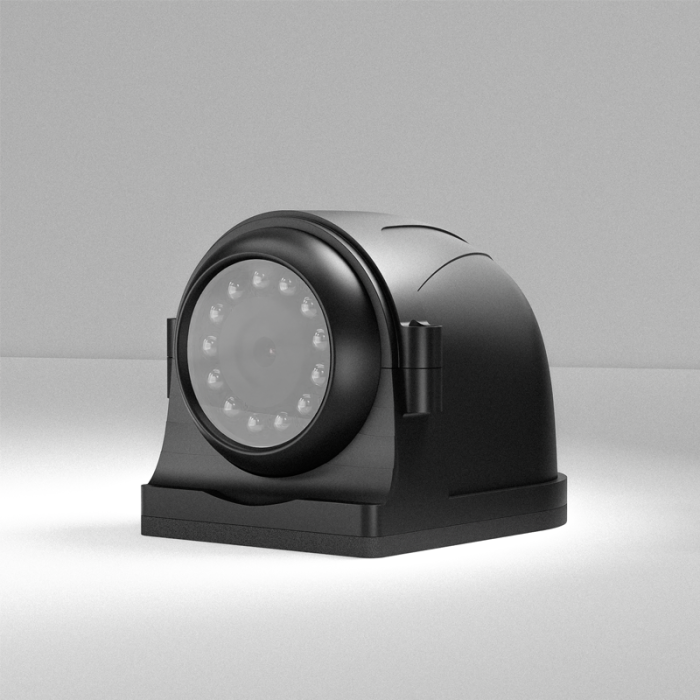
BSD stands for blind spot detection. These systems use cameras, radar or other sensors to detect selected road users or objects in areas the driver may not see directly and provide alerts. This page compares AlwayCare options for trucks, buses and other commercial vehicles; supported targets, coverage and outputs vary by model.
What is a Commercial Vehicle Blind Spot Detection System?
Unlike passenger vehicle warning lights that merely illuminate when a car enters an adjacent highway lane, commercial vehicle BSD systems are mission-critical industrial architectures designed to eliminate extensive blind zones around heavy, long-wheelbase machinery.
Due to elevated cab heights, structural mirror obstructions, long trailer bodies, and articulation sweep angles, heavy commercial vehicles (HGVs, buses, semi-trailers, and municipal trucks) suffer from dangerous physical blind spots—most notably on the passenger nearside, directly in front of the high bumper, and along the turning trailer corridor.
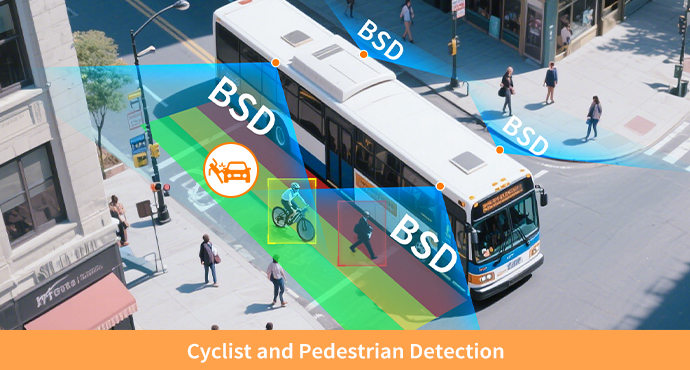
An AlwayCare Commercial Blind Spot Detection System operates through an end-to-end edge-processing safety loop: mounted rugged optical sensors or 77GHz millimeter-wave radar modules continuously scan the critical perimeter zones. On-device deep convolutional neural networks (CNN) distinguish vulnerable road users (VRUs)—such as cyclists, e-scooter riders, and pedestrians—from static urban obstacles like guardrails and bollards in under 100 milliseconds. When an imminent trajectory conflict or turning collision risk is calculated, the system immediately triggers high-intensity in-cab acoustic chimes, visual LED indicators, and external spoken voice alerts to protect both the driver and the public.
Edge AI Vision Detection
Heavy-duty IP69K optical cameras equipped with high-speed neural processing units (NPU) perform deep-learning recognition at 30 fps, accurately segmenting human bodies, bicycles, and motorbikes in urban blind zones.
77GHz Radar Penetration
Millimeter-wave radar frequency bands penetrate torrential downpours, blizzards, dense industrial dust, and total darkness, tracking target distance and relative velocity with zero dependency on optical cleanliness.
Dynamic TTC & Speed Filtering
Intelligent Time-to-Collision (TTC) algorithms dynamically calculate closure rates and steering/turn-signal triggers, filtering out parallel parked cars and stationary guardrails to eliminate driver nuisance alarms.
Dual Acoustic & Voice Warning
Provides a synchronized defense: an in-cab display alerts the driver with flashing bounding boxes, while an exterior IP67 waterproof horn announces "Attention, vehicle turning!" to pedestrians in the danger zone.
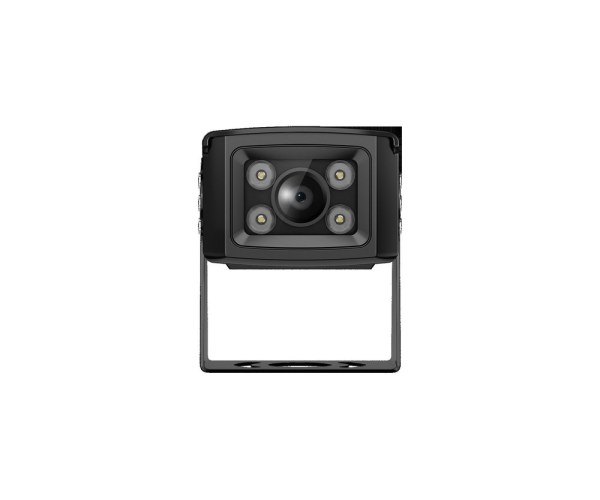
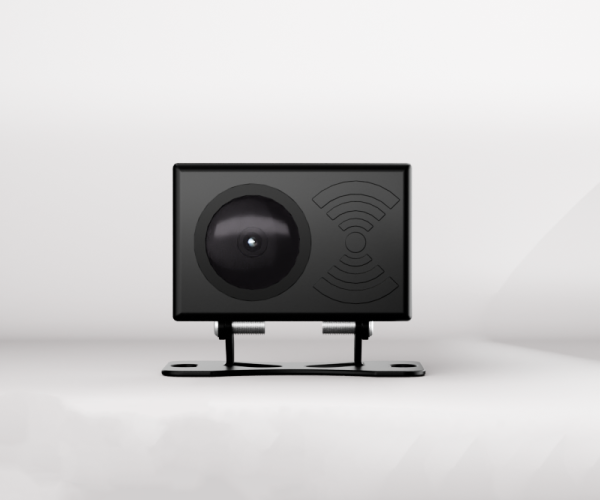
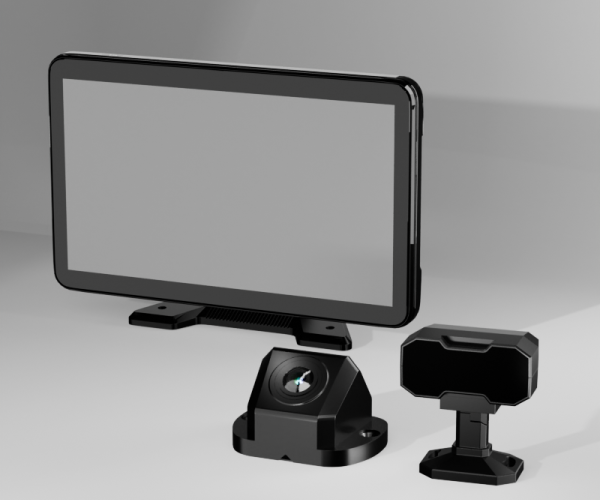
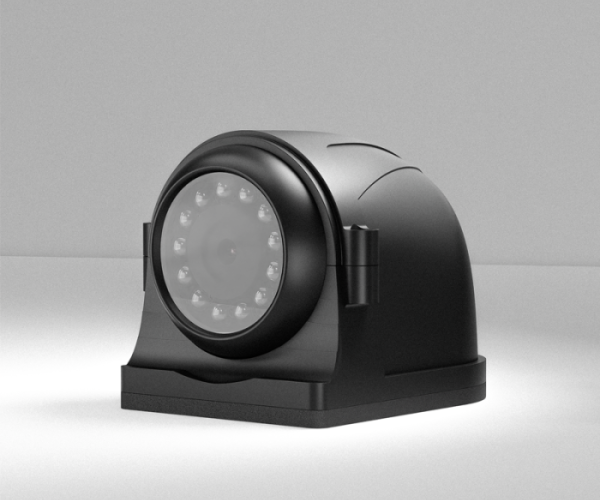
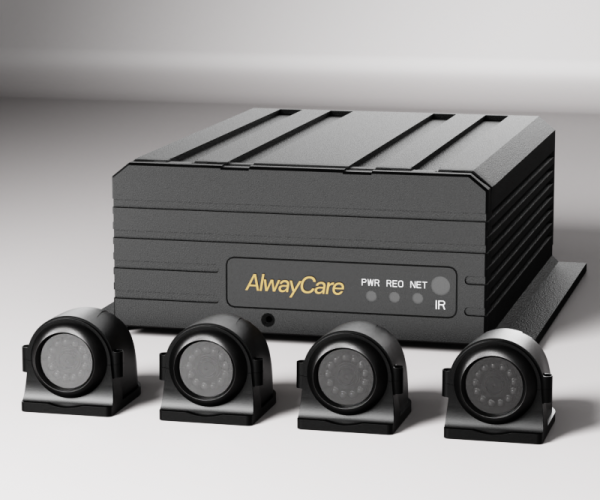
Critical Blind-Zone Hazards and Road Users a BSD System Detects
Commercial vehicle blind spots cause over 35% of fatal urban cycling accidents during low-speed turns and lane changes. AlwayCare BSD algorithms continuously monitor dynamic perimeter danger zones.
Nearside VRU (Cyclists & Pedestrians)
Deep-learning models classify bicycles, e-scooters, and pedestrians traveling along the passenger-side curb. When the driver activates the turn signal to initiate a cornering maneuver, instantaneous acoustic and visual alerts trigger before the vehicle begins turning.
Front Blind Zone (MOIS Moving Off)
Addresses the frontal blind spot directly below the high windshield of heavy cab-over-engine trucks. AlwayCare front optical and radar sensors detect low-stature pedestrians or stationary workers within 0.8 to 3.7 meters when the vehicle starts moving from a dead stop.
Highway Lane-Change & Overtaking
At cruising speeds (above 30 km/h), high-speed radar and optical sensors track approaching vehicles in adjacent lanes up to 30 meters rearward. Flashing warning pillars alert the driver if another motorist is accelerating into the vehicle's turning arc.
Trailer Articulation & Sweep Zones
Articulated semi-trailers and rigid long-wheelbase vehicles sweep across adjacent lanes during intersection cornering. Multi-sensor BSD setups compensate for vehicle bend angles, maintaining continuous target tracking along the full 15-to-18-meter trailer chassis.
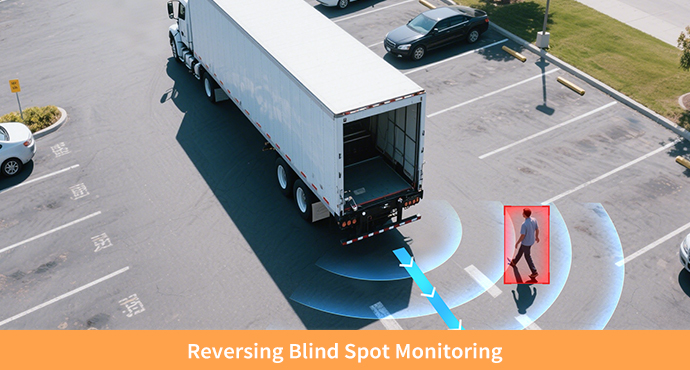
Reversing & Loading Dock Hazards
When reverse gear is engaged, rear optical sensors and 77GHz radar beams establish a tight collision corridor behind the tailgate, warning operators of ground crew, forklifts, or low loading-dock barriers obscured by cargo box shadows.
Static Urban Clutter Suppression
Advanced neural networks filter out stationary background objects including highway guardrails, parked vehicles, construction barrels, curbs, and traffic signs. This intelligent noise reduction eliminates false alarms and preserves driver trust.
Global Regulatory Mandates for Commercial Vehicle Blind Spot Safety
International transport authorities are enforcing strict statutory requirements that make active blind spot detection mandatory for cross-border freight and municipal operations.
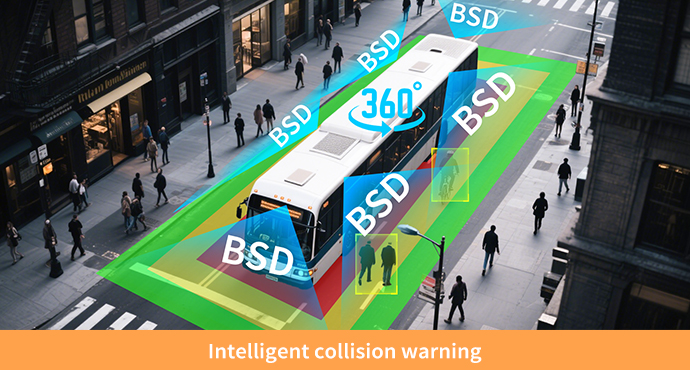
UNECE Regulation 151 (BSIS)
Mandatory under the EU General Safety Regulation (GSR) for all newly registered commercial vehicles of categories N2 (>3.5t) and N3 (>12t), plus M2 and M3 passenger buses. Requires a certified Blind Spot Information System (BSIS) that detects cyclists along the nearside and warns the driver before collision occurs.
- Speed coverage: vehicle speeds from 0 to 30 km/h
- Detects cyclists traveling at 10 to 20 km/h
- Tested against standardized VRU dummy targets
UNECE Regulation 159 (MOIS)
Mandates a Moving Off Information System (MOIS) for heavy commercial vehicles. Designed to inform the driver of the presence of pedestrians and cyclists in the close-proximity forward blind zone when the vehicle is stationary or moving off from a traffic signal.
- Forward zone coverage: 0.8m to 3.7m from bumper
- Point-blank detection for cab-over-engine trucks
- Two-stage visual advisory and acoustic alarm
London DVS & Progressive Safe System (PSS)
Enforced by Transport for London (TfL) since October 2024. All HGVs over 12 tonnes entering Greater London must achieve a minimum 3-star Direct Vision Standard rating or retrofit the full Progressive Safe System (PSS) to avoid daily £550 non-compliance fines.
- Nearside Blind Spot Sensor eliminating side blind spots
- Moving Off Information System (MOIS) on front cab
- External audio left-turn warning speaker (minimum 88 dB)
ADR 97/00 & NHVR Safety Guidelines
The National Heavy Vehicle Regulator (NHVR) and Australian Design Rule ADR 97/00 emphasize indirect vision systems, blind-zone camera retrofits, and acoustic reverse/turning indicators across heavy transport, mining hauliers, and articulated road trains operating in regional and urban corridors.
- Heavy articulated vehicle side-turning protection
- Mining & road train high-vibration tolerance
- Extreme ambient heat tolerance up to +70°C
Vehicle-Specific BSD Configurations Across Commercial Fleets
Different commercial vehicle body types present distinct blind zone profiles. AlwayCare tailors sensor hardware and mounting configurations to vehicle geometry.
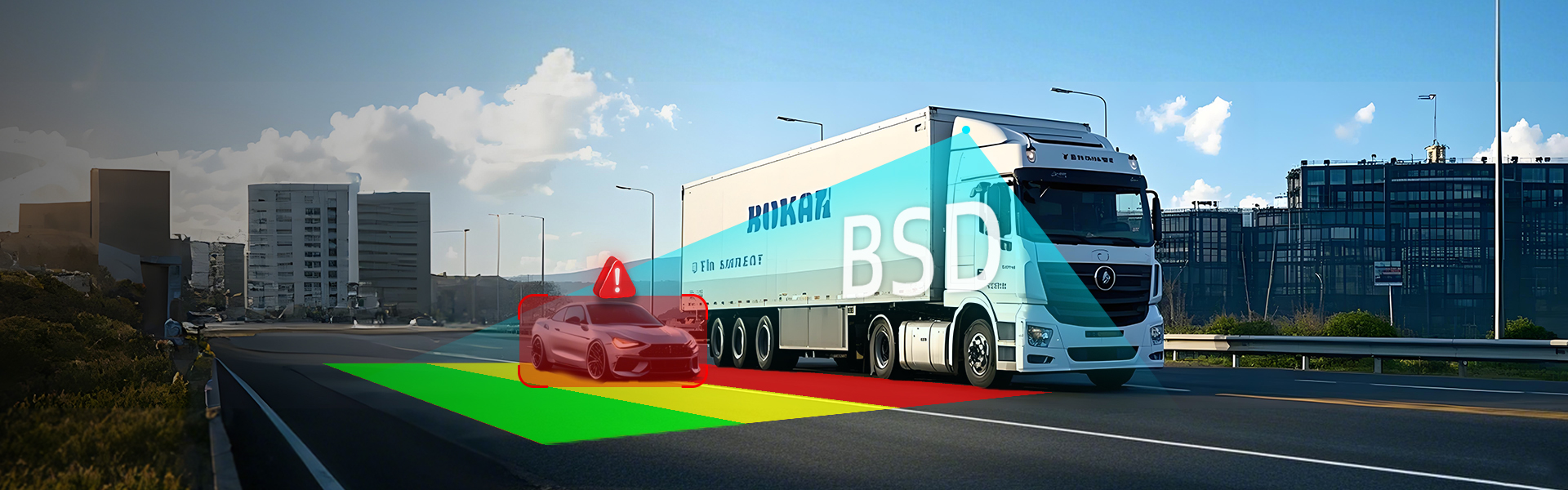
Articulated HGVs & Tractor-Trailers
Semi-trailers feature extensive right-hand (or left-hand) passenger blind zones extending up to 18 meters. AlwayCare multi-sensor setups install dual AI cameras or 77GHz radar units along the chassis, connected through heavy-duty spiral trailer cables with automated quick-disconnect hitches.
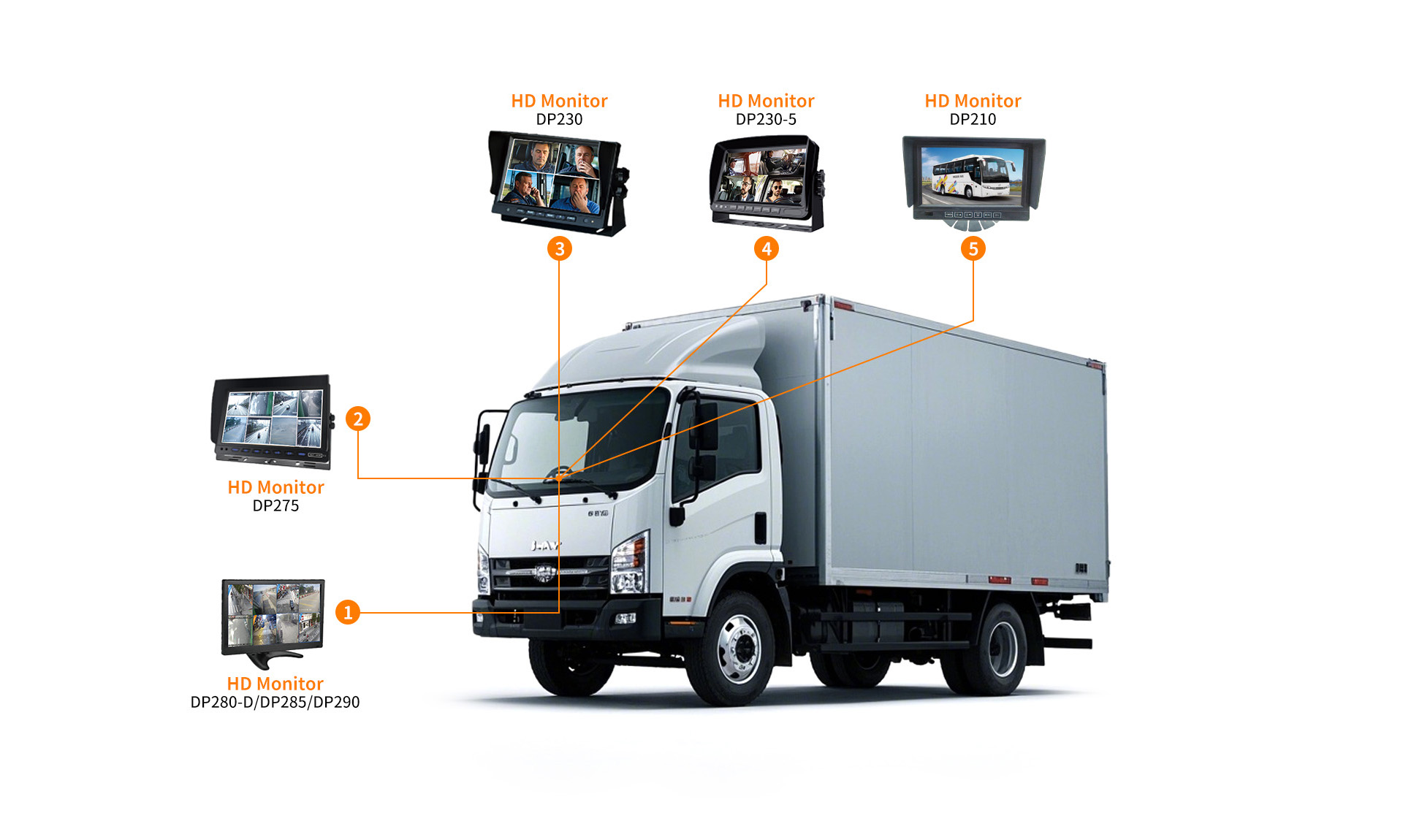
Rigid Box Trucks & Delivery Vans
Last-mile delivery vehicles perform frequent curbside drop-offs in dense urban centers. High-resolution standalone AI cameras (CC1004-BSD or CC1002-BSD) mount above the passenger door, coupled with external spoken turning speakers to warn pedestrians weaving between stopped traffic.
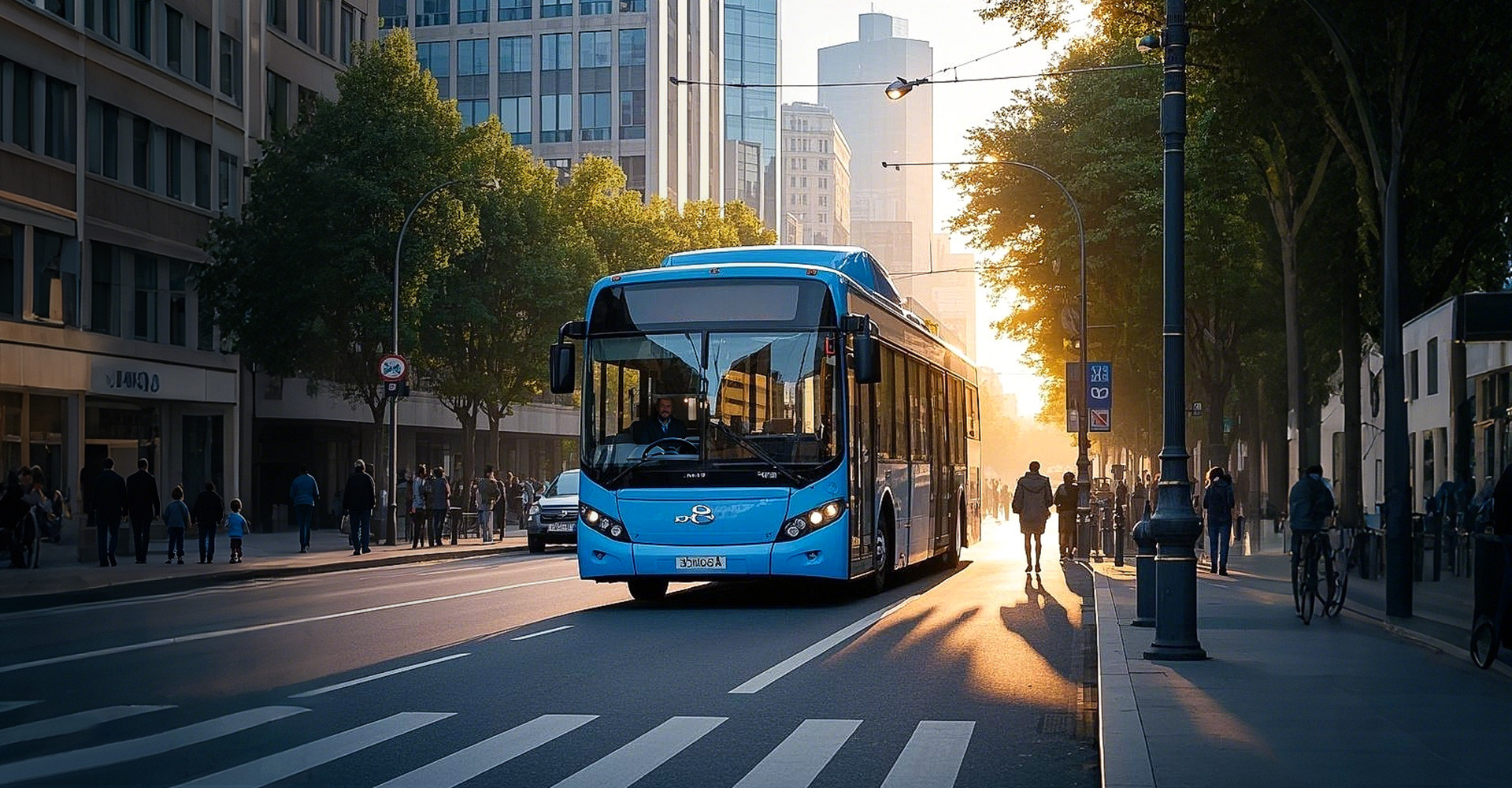
Public Transit Buses & Motorcoaches
City transit buses constantly pull into curbside bus stops crowded with waiting passengers. AlwayCare BSD systems deliver real-time visual bounding boxes to an in-cab dash monitor, preventing passenger strikes as the vehicle pulls away from the curb.
Waste Compactors & Sweepers
Municipal sanitation trucks operate in tight residential alleys and industrial transfer stations. Sealed IP69K metal camera enclosures and 77GHz radar sensors endure daily high-pressure chemical washdowns, caustic fluids, and continuous heavy vibrations.

Industrial Forklifts & Loaders
Warehouses, logistics depots, and lumber yards feature high background noise and limited sightlines around mast loads. 77GHz millimeter-wave radar modules provide 360-degree proximity detection, sounding instant buzzer alarms when ground personnel step within 3 meters.

Tipper Trucks & Heavy Dumpers
Mining and construction sites generate thick dust, muddy spray, and extreme vibration that quickly blind conventional optical lenses. Millimeter-wave radar maintains 100% detection capability through mud splatters, dense dust clouds, and night operations.
Comprehensive AlwayCare BSD System Selection Matrix
Compare all 14 AlwayCare blind spot detection architectures across standalone smart cameras, multi-channel MDVR recorders, 77GHz radar units, and all-in-one cab display monitors.
Standalone Edge AI Smart Cameras (Direct Buzzer / Video Out)
Self-contained neural processing inside camera housing. Ideal for rapid fleet retrofits without requiring a separate MDVR host.| Model | Core Architecture | Resolution & Ingress | Detection Targets | Alert Outputs | Power & Voltage | Action |
|---|---|---|---|---|---|---|
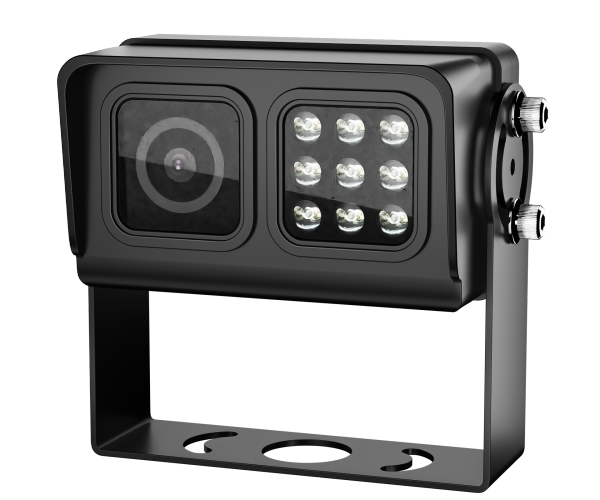
| CC1004-BSD AI Vision Sensor | Edge NPU embedded in aluminum casing; standalone operation | 1080P Full HD | IP69K Waterproof | Pedestrians, cyclists (VRU), moving vehicles | Acoustic buzzer, LED flasher, AHD video out | 12V / 24V DC Commercial Fleet | View CC1004-BSD |
| CC1002-BSD Pedestrian Warning | Edge AI with dedicated external voice alarm speaker integration | 1080P Full HD | IP69K Waterproof | VRUs in nearside blind zone & turning path | In-cab buzzer + External spoken voice warning horn | 10–32V DC Wide Voltage | View CC1002-BSD |
| CC1003-AHD20 Heavy-Duty Mount | Industrial reinforced housing with high-vibration swivel bracket | 1080P AHD / CVBS | IP69K Waterproof | Blind spot obstacle recognition & distance ranging | AHD trigger, in-cab display bounding box | 9–36V DC Transient Protected | View CC1003-AHD20 |
Dedicated AI MDVR Multi-Channel Systems (Recording + Cloud + Dual BSD)
Multi-channel video recording, 4G cloud telematics, and centralized AI processing covering dual blind spots, ADAS, and driver DMS.| Model | Channels & Architecture | AI Engine Capabilities | Storage & Telematics | Regulatory Ready | Target Fleet | Action |
|---|---|---|---|---|---|---|
| MR910-BSD 4-CH Dedicated | 4-Channel AHD MDVR with dedicated blind-zone processing | Nearside BSD + Pedestrian Collision Warning (PCW) | 1x SD Card (up to 512GB), 4G LTE, GPS, CMSV6 | UNECE R151 / London DVS | City delivery trucks & vans | View MR910-BSD |
| MR910-BP 5-CH Hybrid | 5-Channel AI MDVR (4 AHD + 1 IPC) with active buzzer & display | BSD Blind-Spot + Front PCW + Driver Fatigue | 2x SD Card Slots, 4G, GPS, Wi-Fi, RS232 | UNECE R151 / R159 | Rigid freight & municipal fleets | View MR910-BP |
| MR920-DAB2 Dual BSD All-in-One | 9-Channel AI MDVR (8 AHD + 1 IPC) with high-capacity storage | Dual BSD (Right & Left Blind Zones) + DMS + ADAS | 2.5" HDD/SSD (up to 2TB) + 1x SD, 4G LTE, GPS | UNECE R151 / London DVS PSS | Articulated HGVs & semi-trailers | View MR920-DAB2 |
| MR920-360B 9-CH AVM + BSD | 9-Channel AI MDVR with integrated 360° bird's-eye stitching | 360° Around View Monitoring + Real-time BSD bounding | 2.5" HDD/SSD + SD, 4G, GPS, HDMI/VGA Out | UNECE R151, ADR 97/00 | Public transit buses & coaches | View MR920-360B |
| MR920-360BA 9-CH AVM+BSD+ADAS | 9-Channel Multi-AI Host (360° AVM + Dual BSD + Forward ADAS) | Complete perimeter 360° stitch + Road collision + Blind zones | 2.5" HDD/SSD + SD, 4G LTE, Dual-Mode GPS/BDS | UNECE R151 / R159 / DVS | Heavy construction & specialized transport | View MR920-360BA |
| MR930-DA360B 13-CH Flagship | 13-Channel Ultra AI Architecture (12 AHD + 1 IPC) | DMS Fatigue + Forward ADAS + 360° AVM + Dual Side BSD | Dual 2.5" HDD/SSD Slots (up to 4TB) + SD, 4G/5G, CAN | Global Tier-1 Fleet Specs | Mining hauliers & mega logistics | View MR930-DA360B |
77GHz Millimeter-Wave Radar BSD Systems (All-Weather Blind Zone)
Operates through heavy rain, blizzards, dense dust, and total darkness with zero optical degradation.| Model | Frequency & Radar Range | Detection Angles | Ingress & Durability | Environmental Tolerance | Target Application | Action |
|---|---|---|---|---|---|---|
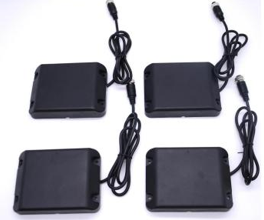
| R360 4-CH Commercial Radar | 77GHz Millimeter Wave | Up to 30m detection range | 120° Horizontal wide-angle beam per sensor (4 sensors) | IP67 / IP69K Sealed Enclosure | Rain, snow, dust, zero ambient light, mud spray | Commercial trucks, semi-trailers & tankers | View R360 Radar |
| R350 Forklift Proximity | 77GHz FMCW Radar | 0.2m to 20m high-accuracy ranging | Multi-zone programmable detection field (Zone 1/2/3) | IP67 Waterproof Rugged Metal Housing | Dusty warehouses, lumber yards, cold storage (-30°C) | Industrial forklifts & terminal tractors | View R350 Radar |
All-in-One Displays & Integrated AI Dashcams
Integrated form-factors combining camera processing and in-cab visual feedback into a single compact installation.| Model | Form Factor | Supported Channels | Integrated Engines | In-Cab Feedback | Ideal For | Action |
|---|---|---|---|---|---|---|
| C1005-BSD 6-CH Monitor Unit | 10.1" High-Brightness Touch Display with integrated AI motherboard | Up to 6 Video Inputs (Dual BSD + Front ADAS + DMS + Cargo) | Side BSD Pedestrian AI + Cabin DMS + ADAS Road Safety | Direct On-Screen Bounding Boxes & Voice Alarms | Heavy trucks requiring immediate driver display | View C1005-BSD |
| MR830 DMS+ADAS+BSD | Windshield-mounted compact AI dashcam gateway with auxiliary ports | Up to 4 Channels (In-cab DMS + Road ADAS + 1x Side BSD Cam) | Fatigue, Distraction + Forward Collision + Side Pedestrian BSD | High-decibel voice prompt speaker + Optional video out | Mixed corporate fleets & service vans | View MR830 |
| M360-2 6-CH 360° AVM | Panoramic 360° Stitching Host with dynamic blind spot triggers | 6 HD Camera Inputs (4 Panoramic + 2 Blind-Zone Spotters) | 360° Birds-Eye View + Automatic Turn-Signal BSD Trigger | Split-screen monitor view with hazardous VRU highlight | Municipal street sweepers & waste haulers | View M360-2 |
System Wiring Topology and Fleet Telematics Integration
AlwayCare BSD systems integrate seamlessly into commercial vehicle electrical harnesses and telematics management platforms without causing battery drainage or signal interference.
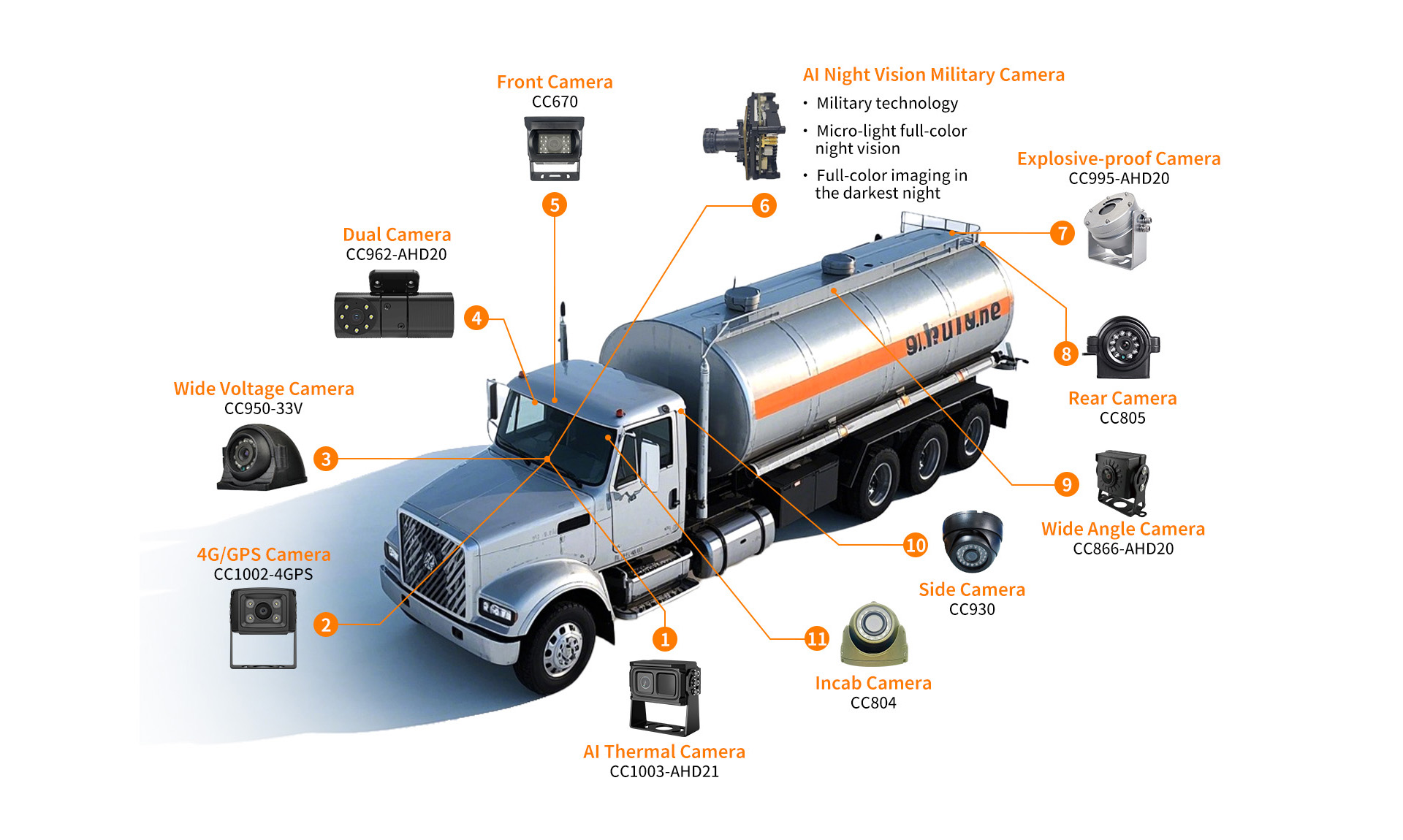
Aviation-Grade Threaded Interconnects with Optocoupler Isolation
Every AlwayCare commercial vehicle BSD deployment utilizes 4-pin aviation GX12 screw-lock waterproof connectors, transient-protected DC 9–36V power inputs, and optically isolated turn-signal triggers. The setup delivers zero-latency visual alerts inside the cab while resisting chassis vibration, moisture, and road salt.
Power & Transient Protection
Industrial wide-voltage power supplies (DC 9V–36V) incorporate ISO 7637-2 transient spike protection, load dump protection, and reverse polarity defense, handling extreme starter crank drops and alternator surges reliably.
Vehicle Signal Trigger Inputs
Optically isolated trigger wires tap directly into left and right turn signal harnesses, reverse lights, and brake switches. The system switches into high-sensitivity alert modes when the driver signals a turning maneuver.
Speed Pulse / GPS Velocity Gating
Equipped with speed-threshold gating via CAN bus or integrated GNSS. Enables blind-spot warnings only between 0 and 30 km/h (compliant with UNECE R151) to prevent unnecessary warnings during high-speed freeway travel.
Telematics & CMS Cloud Upload
RS232 serial interfaces and 4G connectivity forward real-time blind-zone alarm events, GPS coordinates, and 10-second video evidence clips directly to the AlwayCare CMSV6 platform or third-party fleet dispatch servers via JT/T 808 protocols.
Commercial Fleet BSD Procurement and Total Cost of Ownership
Investing in proactive blind-spot technology delivers quantifiable returns by eliminating catastrophic pedestrian claims, lowering commercial insurance rates, and avoiding statutory urban access penalties.
Standalone AI Retrofit
Lowest CapEx • 1–2 hr InstallSingle-point edge AI camera (CC1004-BSD) mounted on passenger nearside, connected to in-cab buzzer and external warning speaker.
- Zero server subscription or recurring cloud fees
- Ideal for urban box trucks and local delivery vans
- Fast compliance with basic municipal turn-safety rules
Full Telematics AI MDVR
Maximum Protection • Turnkey Fleet CloudComprehensive 5-to-9 channel MDVR (MR910-BSD or MR920-DAB2) providing dual BSD, cabin DMS, road ADAS, continuous video recording, and 4G cloud live tracking.
- Turnkey video evidence protection for liability defense
- Automatic incident clip upload to fleet managers
- Substantial commercial insurance premium discounts
All-Weather 77GHz Radar
Zero Maintenance • Harsh DutyMillimeter-wave radar modules (R360 or R350) impervious to heavy mud, snow, rain, and lens blockage.
- Zero optical cleaning or lens wiping required
- Essential for mining, construction, and severe winter regions
- High MTBF >50,000 hours in severe shock environments
Fleet ROI Business Case: Protection vs. Non-Compliance
In urban jurisdictions like Greater London, non-compliant vehicles entering the DVS zone face daily penalty charges of £550 per vehicle, while a single pedestrian turning collision can result in commercial liability claims exceeding £1,000,000. Retrofitting an AlwayCare BSD system typically achieves full capital payback within 2 to 4 months of operation through insurance incentives and avoided downtime.
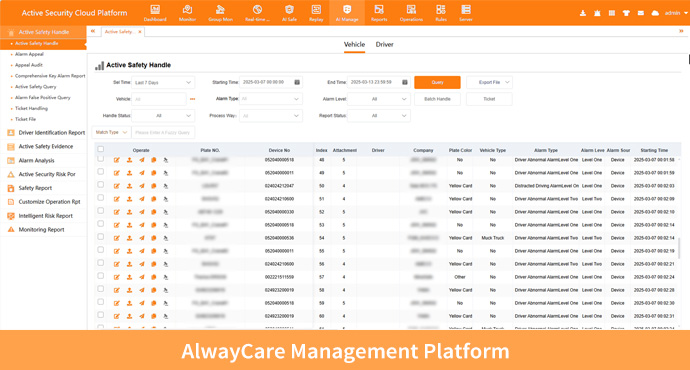
Centralized Fleet Safety Management with Cloud Incident Telemetry
Connecting your AlwayCare BSD and AI MDVR systems to the CMSV6 cloud management platform unlocks automated high-risk event alerts, GPS tracking, and instant 10-second video evidence downloads. Fleet managers evaluate driver blind-zone awareness, defend against fraudulent claims, and fulfill corporate ESG safety reporting requirements.
Frequently Asked Questions: Commercial Vehicle BSD Systems
Direct engineering and operational answers for fleet managers, safety directors, and automotive system integrators.
What is the practical difference between an AI camera BSD and a 77GHz radar BSD?
AI camera BSD systems utilize high-resolution optical sensors and deep-learning neural networks to visually classify targets (distinguishing a human pedestrian or cyclist from a stationary tree or guardrail) with rich bounding box visual feedback. However, optical cameras can be degraded by thick mud splatter or heavy snow accumulation on the lens.
77GHz millimeter-wave radar emits radio frequency waves that pass unimpeded through heavy rain, dense fog, blizzard conditions, darkness, and dirty casings. Radar calculates precise target distance and closure velocity down to centimeters. For maximum reliability, heavy fleets often deploy AI optical cameras for nearside urban cyclist detection combined with 77GHz radar for all-weather rear and trailer blind zones.
Does the AlwayCare BSD system meet the London DVS 2024 Progressive Safe System (PSS) requirement?
Yes. The AlwayCare Progressive Safe System (PSS) retrofit kit satisfies all technical criteria mandated by Transport for London (TfL):
- Nearside Blind Spot Sensor: Covers the entire nearside blind zone with active VRU recognition that does not alert on static infrastructure like guardrails.
- Moving Off Information System (MOIS): Front sensor detecting pedestrians within 0.8m to 3.7m directly ahead of the front bumper.
- External Audio Turning Alarm: Minimum 88 dB acoustic speaker sounding "Vehicle turning left" during left-turn maneuvers.
- In-Cab Visual Indicator: High-visibility A-pillar warning light positioned within the driver's normal mirror scan path.
Can a BSD system prevent 100% of blind-spot collisions?
No electronic safety system can guarantee zero collisions under all possible operational scenarios. AlwayCare BSD hardware is an active driver-assistance system (ADAS) designed to provide early, actionable alerts to help operators detect hazards that might otherwise escape mirror observation. The driver retains full legal responsibility for operating the vehicle safely, checking physical mirrors, and observing appropriate speed limits during turning.
How does the AI camera filter out false alarms from roadside guardrails and parked cars?
Older ultrasonic sensors emitted acoustic pulses that bounced off any physical object, causing constant nuisance buzzing beside continuous metal guardrails. AlwayCare AI cameras use convolutional neural networks trained on hundreds of thousands of commercial driving hours. The algorithm recognizes skeletal pose keypoints (pedestrians, cyclists) and vehicle silhouettes. Objects matching static geometric patterns (guardrails, concrete barriers, road signs) are classified as non-threatening background clutter and suppressed automatically.
Can AlwayCare BSD hardware integrate with third-party GPS tracking or existing MDVRs?
Yes. AlwayCare standalone AI cameras (such as CC1004-BSD and CC1002-BSD) provide standard AHD/CVBS video outputs and isolated digital alarm trigger outputs. These outputs wire directly into third-party telematics gateways (Geotab, Teltonika, CalAmp) or existing mobile DVR systems via RS232 or digital I/O lines, transmitting blind-spot alert telemetry to your existing fleet management dashboard without requiring hardware replacement.
What is the typical installation time and calibration process per vehicle?
A standard single-camera BSD retrofit (CC1004-BSD + in-cab buzzer + external speaker) typically requires approximately 1.5 to 2 hours for professional technicians. Calibration is performed quickly via a dedicated mobile app connected over Wi-Fi or with standardized optical ground calibration mats, allowing technicians to configure camera mounting height, tilt angles, and detection zone boundaries in under 15 minutes.
What warranty and OEM/ODM customization options does AlwayCare provide?
All AlwayCare commercial vehicle BSD products include an 18-month factory warranty with comprehensive technical documentation, wiring schematics, and remote engineer support. For automotive OEMs, body builders, and large telematics providers, we provide full OEM/ODM customization—including custom bracket tooling, branded firmware splash screens, specialized harness lengths, and custom CAN bus protocol development.
Equip Your Fleet with Verified Blind Spot Protection
Connect with our commercial vehicle safety engineers to discuss UNECE R151 compliance, London DVS PSS retrofits, or custom OEM/ODM sensor integration tailored to your exact fleet specifications.