Fleet Telematics Business Case: Cost Items, Data to Collect and Build vs Buy
Fleet Management Guide
A telematics business case answers four questions: what will it cost, what data will you use to judge it, who will use it and whether to build or buy. Finance and operations managers ask for the same things before they approve a budget. This guide lists the cost items, the baseline data to collect first, the areas where value can be measured and the decision points for building a platform or buying one. It gives no savings figures, because results depend on your fleet, your vehicles and how the data is used.
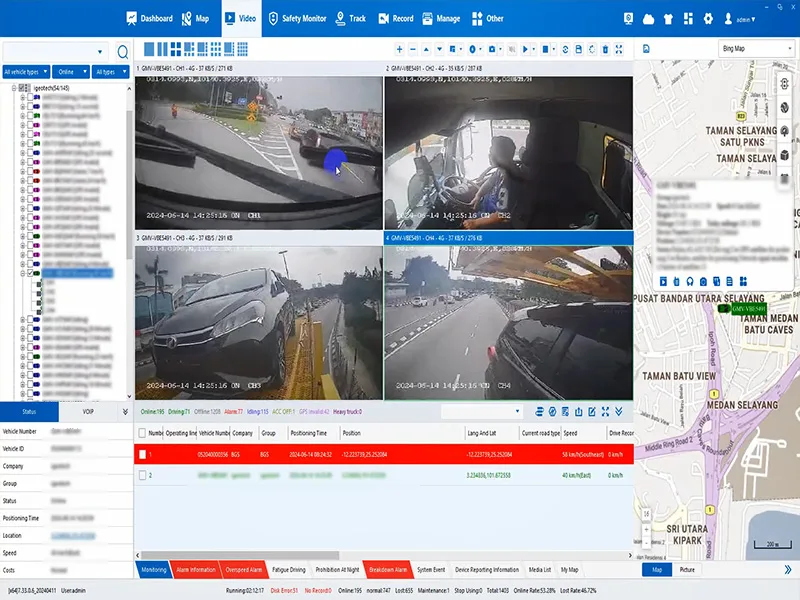
What a telematics business case must cover
| Question | What you need | Who usually provides it |
|---|---|---|
| What will it cost? | Hardware, installation, platform, data, training and upkeep | Operations, IT and the supplier quotation |
| What will you measure? | A baseline for fuel, distance, incidents, claims, downtime and vehicle use | Operations, finance and insurance records |
| Who will use the data? | Dispatchers, safety managers, maintenance and drivers | Operations and safety |
| How will you test it? | A pilot on a few vehicles with the same measures | Operations and the supplier |
| Build or buy? | Team, time, protocols and data ownership | IT and procurement |
Cost items to list
| Cost item | What to check |
|---|---|
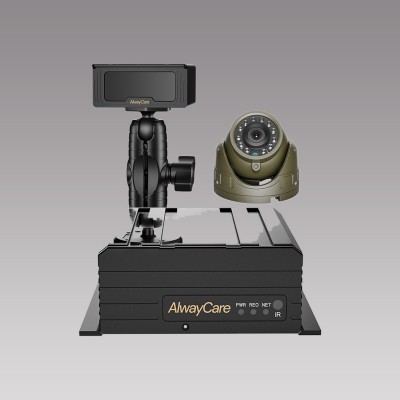
| Hardware | GPS terminals, dash cams, MDVRs, cameras and monitors for each vehicle type |
| Installation | Wiring, fitting time, vehicle downtime during the fit and who does the work |
| Platform | Subscription, licence or your own server and the people who run it |
| Mobile data | Plan size per vehicle, especially if video is uploaded. See How Much 4G Data Does a Fleet MDVR Use? |
| Video storage | Card, disk or cloud storage and how long video is kept. See Fleet MDVR Storage Calculator |
| Training and process | Time for drivers, dispatchers and managers to learn the system and review events |
| Maintenance and replacement | Spares, card replacement, warranty terms and device life |
Prices vary by model, quantity and configuration. Use a written quotation for each item rather than a generic estimate.
Baseline data to collect before you start
Without a baseline you cannot tell whether anything changed. Collect one to three months of figures before the pilot, then use the same period length during it.
- Number and type of vehicles and how each is used.
- Fuel purchases and distance travelled, if you record them.
- Accident, incident and claim records, with dates and descriptions.
- Maintenance and repair records, including days a vehicle was out of service.
- Insurance cost and any requirements from the insurer.
- Driver turnover and any recurring complaints about vehicles or routes.
Where value can come from, and what data measures it
| Area | What the data can show | Equipment that supplies it |
|---|---|---|
| Routes and idling | Distance, stops, idle time and route differences | GPS terminal or AI mobile DVR |
| Driving behavior | Speed, harsh events and driver alerts reviewed with the driver | AI dash cam or DMS with a platform |
| Maintenance planning | Distance and running time for service intervals | GPS terminal; engine data only if the vehicle supplies it |
| Downtime and asset use | Where a vehicle or machine is and how long it works | GPS terminal |
| Incidents and claims | Video and position around an event | AI dash cam, MDVR or 360° system |
| Records for audits | Trip history and event logs | Platform reports |
These are the things you can measure. Whether a fleet saves money in any area depends on the fleet, the vehicles and how managers act on the data.
For a cost-category view, read How Fleet Management Systems Help Control Operating Costs. For how tracking devices work and what to check before buying, read Vehicle Tracking System: How It Works, Device Types and What to Check Before Buying.
Build vs buy
| Option | What it means | What to plan for |
|---|---|---|
| Build your own platform | Your team writes and runs the software that receives device data | Developers, server and security work, protocol handling, ongoing fixes and support |
| Buy a platform or service | A supplier runs the platform and you pay a fee | Fees, data export, data ownership and the supplier roadmap |
| Hardware on open protocols | You buy devices that report to a platform you choose or already run | Which protocols each model supports, such as JT/T 808 and JT/T 1078, and testing before bulk orders |
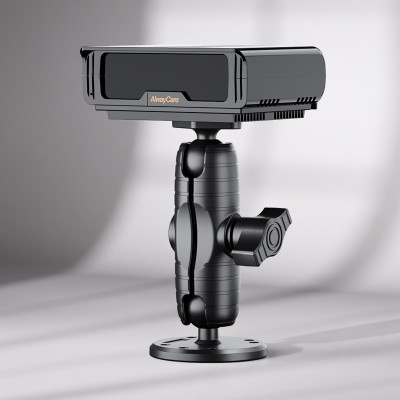
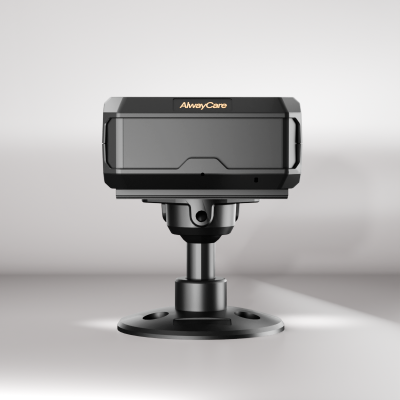
AlwayCare supplies the hardware and, depending on the model, supports protocols such as JT/T 808 and JT/T 1078. The CMSV6 platform is available for fleets that want a ready platform. Check each model before you plan an integration. See Which Devices Can Connect to CMSV6 and Integrating AI Dashcams with Your Existing Telematics Platform.
- Ask any platform supplier how you export your data and who owns it.
- Run a pilot with the devices and the platform together before a large order.
- Keep the data model simple at first: position, events and video links.
For connecting systems without creating risk, read Fleet Data Silos: How to Connect Systems Without Creating Risk.
Vehicle life cycle and downtime
- Distance and running time help schedule service on actual use rather than a calendar.
- Position data shows which vehicles or machines are available for a job.
- Event records help review how a vehicle was driven before a fault.
- Engine and fault data are available only when the vehicle or machine can output them. Confirm per model.
How delivery and mixed fleets usually choose
- Write down what you need to know about each vehicle type.
- List the systems you already use for dispatch, maintenance and fuel.
- Shortlist suppliers on protocols, reports, video and data export.
- Pilot on a few vehicles for two to four weeks.
- Score the pilot against the baseline.
- Set contract terms for data ownership, export and support.
For selection and rollout details, read Fleet Management Systems: A Practical Selection Guide and Fleet Management Telematics: A Rollout Plan, Data Checklist and KPIs.
A simple business case template
| Measure | Baseline | Pilot period | Difference | Notes |
|---|---|---|---|---|
| Distance travelled | ||||
| Idle time | ||||
| Fuel purchased | ||||
| Incidents reported | ||||
| Claims handled | ||||
| Days out of service |
Fill the baseline from your records and the pilot column from the platform. Keep the same vehicles and the same period length so the comparison is fair.
AlwayCare equipment to review
| Model | Type | Listed specifications |
|---|---|---|
| MR700 | AI dashcam with ADAS and DMS options | 12/24V; 1920x1080; GPS; 4G or Wi-Fi; 512GB TF card; -20℃ to 70℃; warranty 15 months |
| MR920 | 9-channel AI mobile DVR for larger vehicles | 12/24V; 1920x1080; GPS and BeiDou; 4G or Wi-Fi; 512GB SD card; -20℃ to 70℃; warranty 15 months |
| G405 | 4G GPS and BeiDou vehicle tracking terminal | See the product page for the parameters |
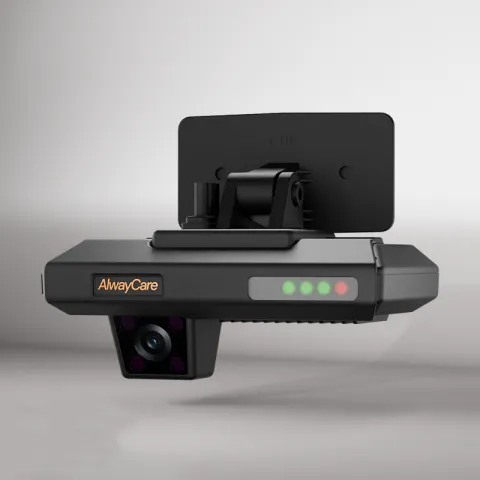 MR700AI Dashcam with ADAS and DMS for FleetsRequest a quote
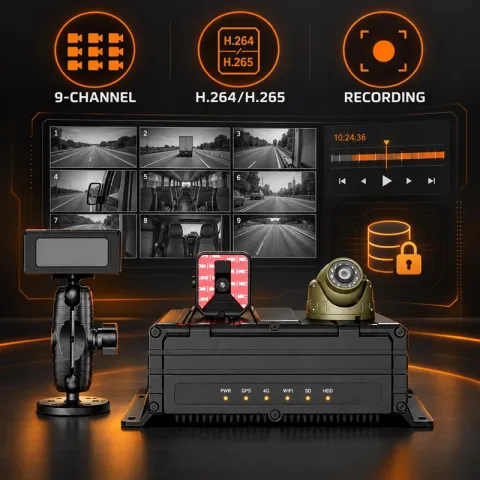 MR9209-Channel AI Mobile DVR for FleetsRequest a quote
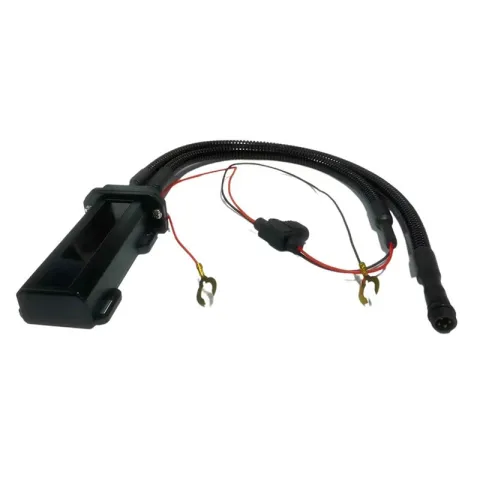 G4054G GPS & BeiDou Vehicle Tracking TerminalRequest a quote
Specifications come from the product pages. Your quotation confirms the configuration, platform support and fitting plan for each vehicle.
Questions about a telematics business case
How long should a pilot run?
Two to four weeks is a common starting point for a first test on a few vehicles. A longer period gives a fairer comparison with your baseline, especially if work changes by season.
What do we need to build our own platform?
Developers, a server and security plan, handling for each device protocol, and a team to fix and support it. Compare that with the fees and limits of a bought platform.
Can your devices report to a platform we already use?
Models that support protocols such as JT/T 808 and JT/T 1078 can report to platforms that accept them. Send the platform requirements and we will confirm support by model.
Who owns the data?
Agree this in writing with the platform supplier before you sign, including how you export your data and what happens at the end of the contract.
Do driver alerts control the vehicle?
No. Alerts warn the driver and record events. They do not brake or steer the vehicle, and they depend on installation and settings.
Key points
- Collect a baseline before you buy anything.
- List every cost item, not only the hardware.
- Measure with the same vehicles and period length in the pilot.
- Decide build, buy or open protocols on team, time, protocols and data ownership.
- Use a written quotation for prices and configuration.
For fleet management, tracking and video platform options in one place, see the fleet management solution.