Vehicle Tracking System: How It Works, Device Types and What to Check Before Buying
Vehicle Tracking Guide
A vehicle tracking system uses a device in the vehicle to find its position and send it to a platform where the fleet can see it. Devices differ in how they are powered, how they report and how much data they can send. This guide compares the main device types, shows the checks to make before buying and lists the AlwayCare trackers to review.

How a vehicle tracking system works
- A receiver in the device reads satellite signals, such as GPS and BeiDou, to find the vehicle position.
- The device adds inputs such as ignition state, speed or an alarm trigger.
- It sends the data over a mobile network, usually 4G, at the interval set in its configuration.
- A platform stores the data and shows it as a live map, trip history, alerts and reports.
- The fleet sets alert rules and decides what to do when an alert arrives.
For what telematics adds on top of location, read What Is Telematics?.
Types of vehicle tracking device
| Type | How it is powered | Fits best when | What to check |
|---|---|---|---|
| Hardwired tracker | Connected to the vehicle supply and ignition | Vehicles stay in the fleet long term and you want ignition and power-loss alerts | Input voltage range, fuse, install time and who fits it |
| Battery tracker | Internal battery, charged or replaced as needed | Trailers, containers and assets with no permanent power | Battery life, reporting interval and charging plan |
| Tracker with serial or RS485 interface | Vehicle supply, with a data connection to another device | You want to connect a sensor or screen to the tracker | Which devices the interface supports |
| Tracking terminal inside an AI MDVR | Vehicle supply, shared with the recorder | You also want video and driver alerts from the same vehicle | Channel count, storage and platform support |
The device type decides the install work and the data you can get. Confirm the exact model and interface with your supplier.
What to check before you buy
| Question | Why it matters |
|---|---|
| What is the supply voltage range? | Mixed 12V and 24V fleets need a device that accepts both. The G402 lists 9–90V. |
| Which networks does it use? | A 4G device needs mobile coverage on your routes and a SIM plan. |
| How often does it report? | A short interval gives a smoother trip line but sends more data. |
| Which alerts does it send? | Overspeed, ignition, power-loss, SOS and geofence alerts need to match your rules. |
| What is the protection rating and temperature range? | Devices in a cab, an engine bay or an open trailer face different conditions. |
| Which platform will show the data? | Check that the platform shows every field the device sends. |
| Who owns the data and for how long is it stored? | Set the access rules before the fleet goes live. |

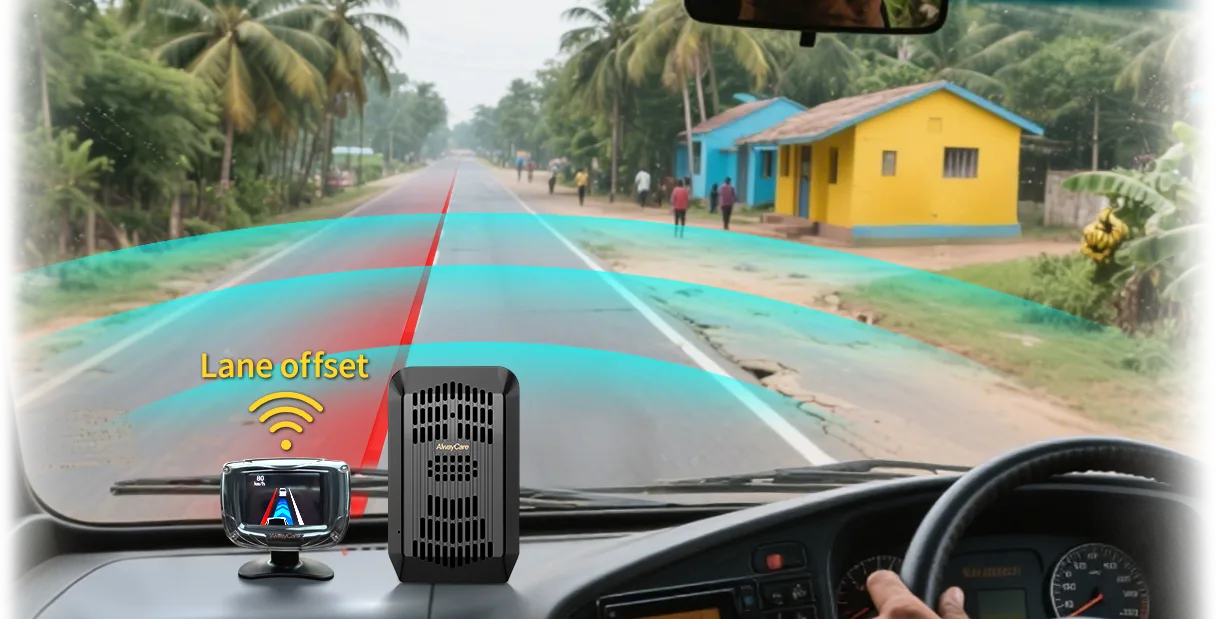
AlwayCare tracking devices
| Model | Type | Listed specifications |
|---|---|---|
| G402 | 4G GPS/BeiDou fleet tracking terminal | Input voltage 9–90V; timing, power-loss, overspeed, ignition and SOS alerts; warranty 15 months |
| G405 | IP67 4G GPS/BeiDou vehicle tracking terminal | RS485; timed reporting and configurable fleet alarms; warranty 15 months |
| AL-GS10 | GPS tracker for commercial truck fleets | GPS + BeiDou + LBS positioning; battery life 60 days; size 92×77×22mm; operating temperature −40 to 85°C; SOS, geofencing and OTA; warranty 15 months |
Specifications come from the product pages. Confirm network bands, platform and installation for your region in your quotation.
Pilot before a fleet order
- Fit two or three devices on vehicles with different duty cycles.
- Compare the reported route with what the driver actually drove.
- Test alerts on purpose: ignition on, overspeed, leaving a geofence.
- Check what happens in a tunnel, a depot and an area with weak coverage.
- Review the platform with the people who will use it every day.
For a staged rollout and the measures to review, read Fleet Management Telematics: A Rollout Plan. For wiring and testing recorders on the same vehicles, read Mobile DVR Installation: A Fleet Wiring and Test Checklist.
Questions fleets ask about vehicle tracking systems
What is a vehicle tracking system?
It is a device in the vehicle that finds its position by satellite and sends it over a mobile network to a platform. The platform shows live location, trip history and alerts.
How does a GPS vehicle tracking system work?
The device reads satellite signals to find the position, adds inputs such as ignition and speed, and sends the data to a platform at a set interval.
What is the difference between a hardwired and a battery tracker?
A hardwired tracker uses the vehicle supply and can report ignition and power-loss events. A battery tracker suits assets with no permanent power but needs a charging or replacement plan.
Does a vehicle tracker work without a mobile signal?
It can still find its position by satellite, but it can only send data when it has a network. Ask your supplier whether the model stores data and sends it later.
Can one device track cars, trucks and trailers?
Often yes, if the supply voltage and fitting suit each vehicle. Trailers without permanent power usually need a battery device.
Do drivers need to be told about tracking?
Yes. Location data can relate to a driver, and privacy rules differ by country. Tell drivers what is collected and who can see it.
Summary
- A tracking system is a device, a network and a platform working together.
- Choose the device type by power, interface and the data you need.
- Check voltage range, reporting interval, alerts and platform fields before you buy.
- Pilot on a few vehicles first, then expand.
See the vehicle positioning range or send an inquiry with your fleet size, vehicle types and region.
For vehicle tracking terminals and positioning options in one place, see the vehicle positioning solution.