ADAS, DMS or BSD First? Setting Safety Priorities for a Fleet
Fleet Safety Planning
Most fleets cannot fit every safety system at once, so the first question is which one to start with. The answer comes from your own risk profile: what kinds of incidents you have, which vehicles are involved and where drivers need support. This guide gives a simple decision table and a way to phase the rollout.

Start from your risk profile
- What kinds of incidents or near misses do you record most often?
- Which vehicles and routes are involved?
- Are incidents linked to fatigue, distraction, following distance, lane drift or people near the vehicle?
- Which events cost you most in repairs, downtime or claims?
A priority table
| What you see most | Look first at | Why |
|---|---|---|
| Rear-end or following-distance events, lane drift on highways | ADAS | Front camera alerts target the road ahead |
| Fatigue, distraction, phone use or smoking events | DMS | An in-cab camera watches the driver |
| People or cyclists near the side or rear in urban work | BSD | Blind spot detection watches the areas the driver cannot see |
| Mixed events and no clear pattern | A pilot with video first | Video shows what is actually happening |
ADAS first when…
- Most incidents are in traffic at speed.
- Vehicles spend long hours on highways.
- You want warnings for the road ahead and event clips for review.
DMS first when…
- Fatigue or distraction shows up in event records or driver reports.
- Routes are long or run at night.
- You are ready to introduce in-cab cameras and review events fairly.
For introducing cab cameras, read Driver Monitoring and Privacy. For types of distraction, read Driver Distraction in Commercial Fleets.
BSD first when…
- Vehicles work in towns, depots or sites with people close by.
- Incidents involve turning, reversing or lane changes.
- You need a retrofit that can be fitted to existing vehicles.
For retrofit options, read Can You Add Blind Spot Detection to a Truck or Bus? and AI Blind Spot Detection for Commercial Fleets.
Phasing a rollout
- Pilot one system on a few vehicles for a few weeks.
- Review the events with drivers and managers and adjust settings.
- Expand to a group of vehicles with the same profile.
- Add the next system where the data points to it.
- Review the plan on a schedule.
For a rollout plan and a data checklist, read Fleet Management Telematics: A Rollout Plan, Data Checklist and KPIs. For costs of driver monitoring, read Driver Monitoring System Cost: A Budget Checklist for Fleets.
Measuring the pilot
Record what you will compare before and after: number of alerts, reviewed events, near misses reported and driver feedback. Keep the measures simple and avoid promising results in advance. The pilot shows what is useful on your vehicles.
For how the three layers work together, read DMS, ADAS and AI Dashcams: How the Three Layers Work Together and Top 7 Commercial Vehicle Safety Systems for Fleet Buyers.
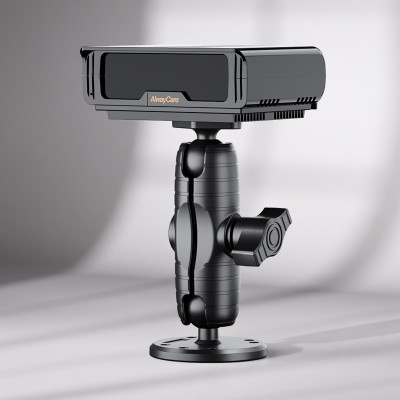
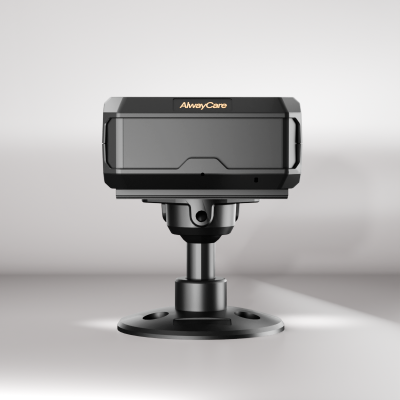
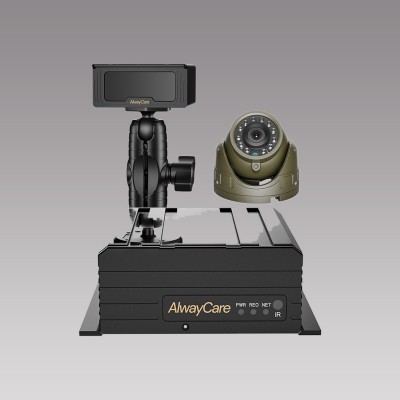
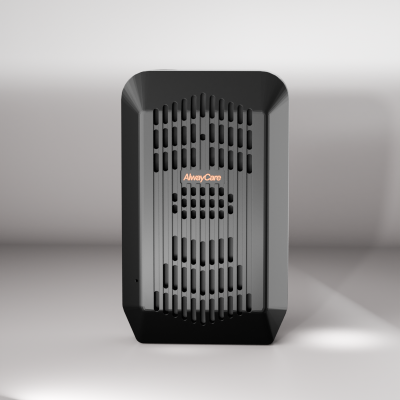
AlwayCare device to review
| Model | Type | Listed specifications |
|---|---|---|
| MR830 | All-in-one DMS with ADAS, BSD and driver fatigue alerts | 12/24V; 1920x1080; GPS and BeiDou; 4G or Wi-Fi; 512GB TF card; 105*72*163mm; -20℃ to 70℃; warranty 15 months |
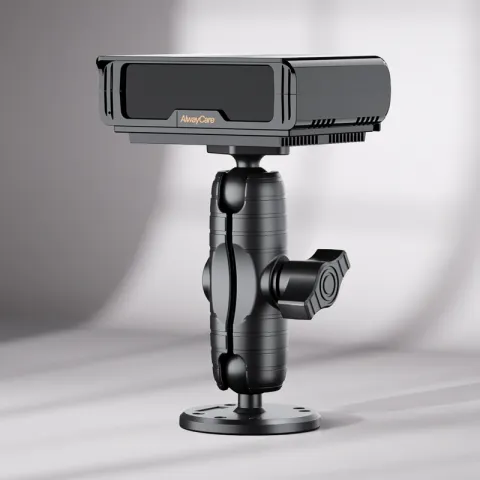
Specifications come from the product pages. Your quotation confirms the configuration, channel layout and fitting plan for each vehicle.
Questions about safety priorities
Should every fleet start with the same system?
No. Start with the system that matches your most common incidents and vehicles.
What if I do not know my risk profile?
Run a short pilot with video on a few vehicles and review the events before you decide.
Can one device cover ADAS, DMS and BSD?
Some models combine functions. Check the listed functions and the cameras each model needs.
How long should a pilot run?
Long enough to cover your normal routes and shifts. A few weeks on a few vehicles is a common start.
Do these systems control the vehicle?
No. Aftermarket alerts warn the driver and record events. They do not brake or steer.
Key points
- Choose the first system from your own incident pattern.
- ADAS targets the road ahead, DMS the driver and BSD the areas the driver cannot see.
- Pilot first, review with drivers, then expand.
- Measure simple things and do not promise results in advance.
For forward-collision, lane-departure and proximity warning options in one place, see the forward collision warning and proximity systems for commercial fleets.