Driver Distraction in Commercial Fleets: Types, Causes and Detection
Driver Monitoring Guide
Driver distraction is any activity that takes a driver's attention away from driving. In a commercial fleet it covers phone use, looking away from the road, eating, smoking and mentally drifting from the task. This guide separates the types, lists the common causes and shows what a driver monitoring system (DMS) can and cannot detect.
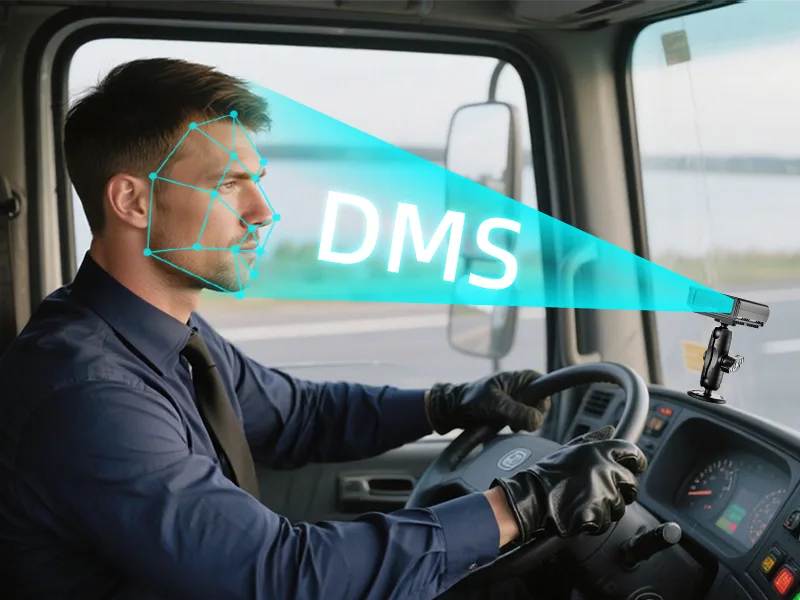
What is driver distraction?
NHTSA groups distraction by what it takes from the driver: eyes, hands or thinking. One action can combine several types. Texting, for example, takes eyes, hands and attention at once.
| Type | What leaves the task | Typical example | Can a cab camera see it? |
|---|---|---|---|
| Visual | Eyes off the road | Looking at a phone, a screen or a passenger | Often, through head and gaze direction |
| Manual | Hands off the wheel | Holding a phone, eating, smoking, adjusting controls | Often, when the hand or object is in view |
| Cognitive | Mind off the task | Hands-free call, worry, daydreaming | No. A camera cannot see thoughts |
Distraction is not the same as fatigue. A drowsy driver may look straight ahead and still react late. See our DMS guide for how fatigue and distraction alerts differ.
Common causes in commercial fleets
- Mobile phone calls, messages and navigation apps.
- Dispatch or telematics screens that need attention while the vehicle moves.
- Eating, drinking and smoking on long shifts.
- Passengers or cargo needing attention, especially on bus and delivery work.
- Time pressure and tight schedules that push drivers to multitask.
- Long, monotonous routes where attention drifts.
In the United States, FMCSA rules restrict texting and hand-held phone use for commercial drivers. Rules differ by country, so check the current rule for each market you operate in.
What a DMS can and cannot detect
| Behaviour | What a DMS may alert on | Limits to plan for |
|---|---|---|
| Phone use | Phone held in view of the cab camera | A phone below the camera view or a hands-free call may not be seen |
| Looking away | Head or gaze turned from the road for too long | Mirror checks and junction scans are normal. Alert settings and review matter |
| Smoking | Smoking action in view | Depends on model and camera position |
| Yawning and eye closure | Fatigue alerts | This is fatigue, not distraction, but the same camera often reports both |
| Camera blocked or covered | Occlusion alert on supported models | Confirm the alert on the exact model |
| Cognitive distraction | Not detectable | No camera can confirm that a driver is thinking about something else |
Alert functions differ by model and firmware. Confirm the exact list on the product page before you set a policy around it.
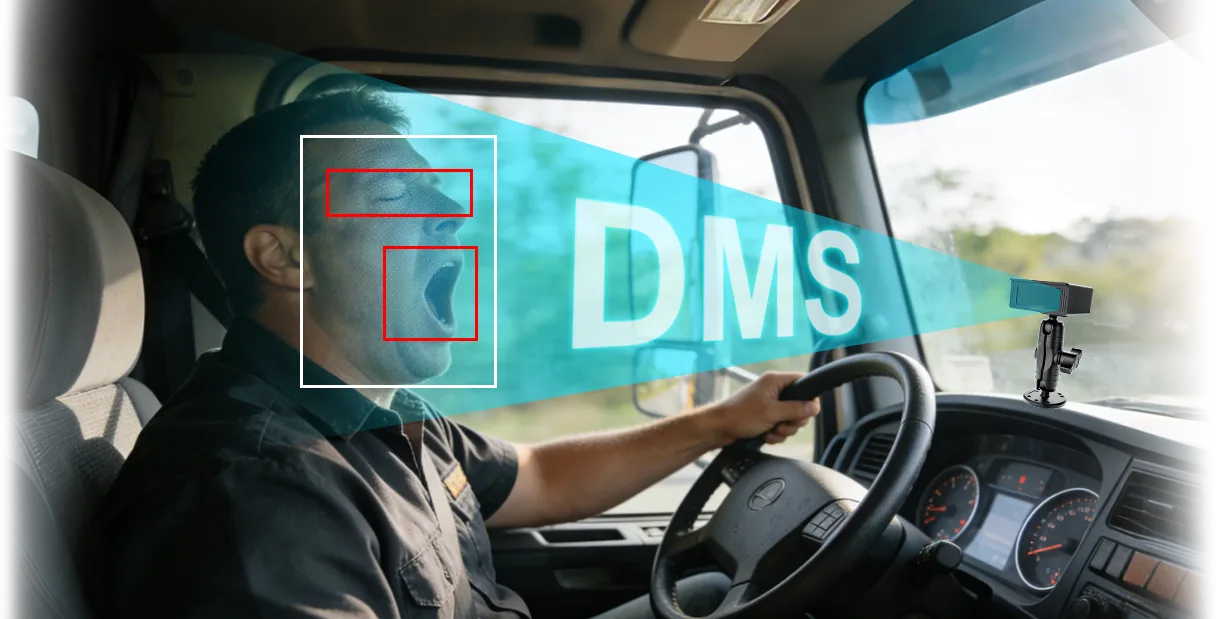
From alert to action
- Write a short policy: what counts as distraction, what the device records and who sees it.
- Brief drivers before fitting. Explain what is recorded and why.
- Start with a pilot on a few vehicles and check false and missed alerts.
- Review each event with the video before any conversation with the driver.
- Coach on patterns, not on single events, and record the outcome.
Use our guides on DMS pilot testing, event review and coaching and choosing a DMS for the workflow in detail. For policy wording, read Distracted Driving for Fleets: Policy, Coaching and DMS.
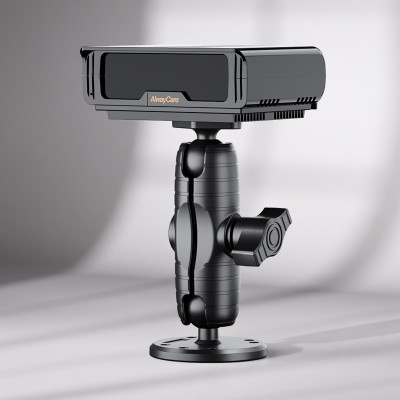
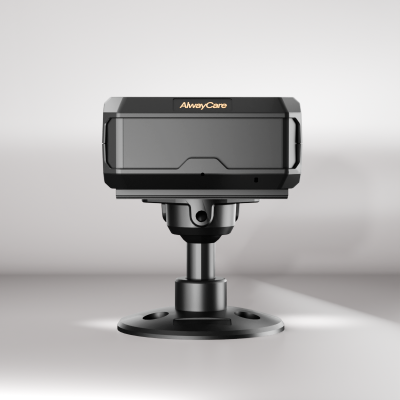
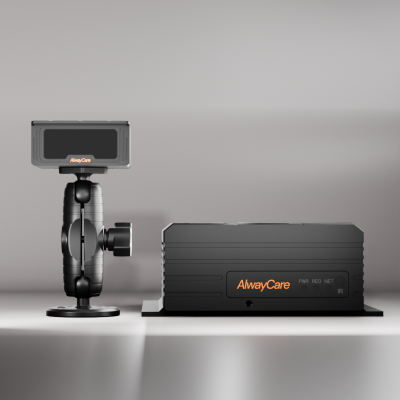
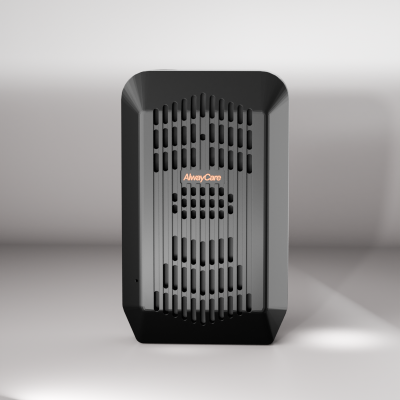
AlwayCare DMS options to review
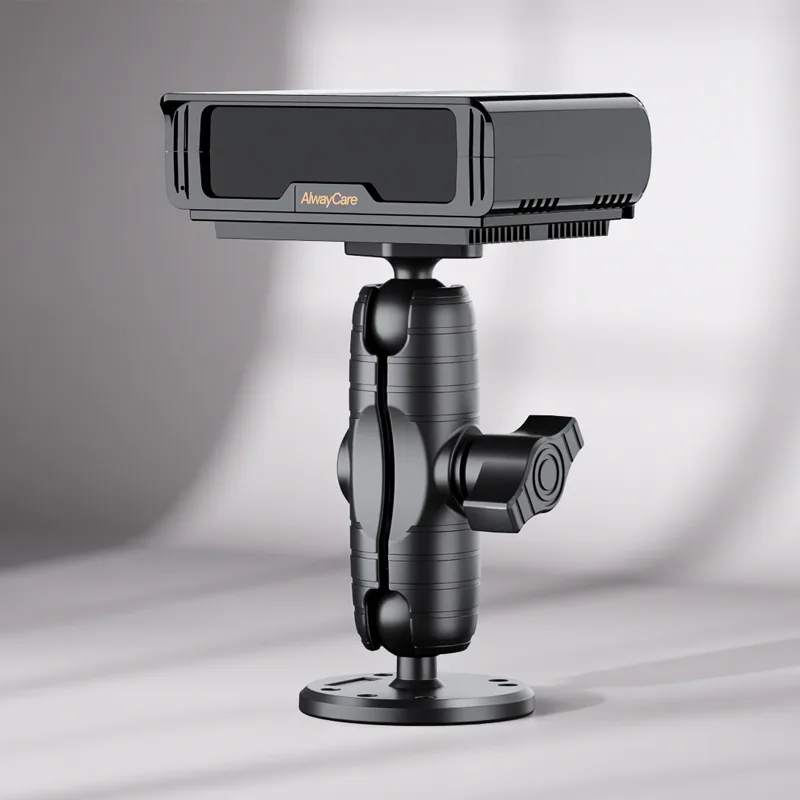
| Model | Form | Listed functions |
|---|---|---|
| MR688B | Standalone DMS, 12/24V | Fatigue, yawning, distraction and abnormal-driver alerts |
| MR810 | Standalone DMS, 720p recording, 12/24V | Alerts for fatigue, distraction, smoking and phone use |
| MR830 | All-in-one DMS, 1080p recording, 12/24V | Driver alerts with optional ADAS, BSD, 4G and fleet-platform functions |
| MR910-D | DMS with multi-channel mobile DVR, 12/24V | DMS driver alerts, multi-channel recording, GPS/Beidou, 4G or Wi-Fi |
Functions vary by model and firmware. Confirm the exact alerts, camera position and platform on the product page or in your quotation.
Questions fleets ask about driver distraction
What is driver distraction?
Driver distraction is any activity that takes attention away from driving. NHTSA describes visual (eyes off the road), manual (hands off the wheel) and cognitive (mind off the task) distraction.
What is the difference between distraction and fatigue?
Distraction means attention is taken by something else. Fatigue means the driver is tired or drowsy. A DMS camera often reports both, but they need different responses: coaching and policy for distraction, rest and scheduling for fatigue.
Can a DMS detect every kind of distraction?
No. A cab camera can see head direction, a phone in view and some actions. It cannot see cognitive distraction, such as a driver thinking about something else.
Does a DMS alert prove a driver was distracted?
No. An alert is an event to review. A manager should check the video and the context before any decision.
Where do I start?
Write the policy, brief the drivers and run a pilot on a few vehicles. Our pilot checklist lists what to test.
Summary
- Distraction takes eyes, hands or attention. Many actions combine these.
- A DMS can alert on phone use and looking away. It cannot see cognitive distraction.
- An alert starts a review. It is not a finding on its own.
- Pilot first, then expand.
See the driver monitoring range or send an inquiry with your vehicle types.
For example layouts, equipment packages and the full DMS range in one place, see the driver monitoring solution for fatigue and distraction alerts.