Heavy Equipment Cameras: Visibility, Alerts and Selection
Heavy Equipment Visibility
Large equipment can hide a person or vehicle close to the machine. Cameras can improve a view, but the safest setup also uses site rules, separation and a trained operator.
The short answer
Use a blind-area diagram or a site test to find what the operator cannot see. Choose views for the highest-risk travel and work tasks. Add an alert only when it gives the operator enough time to act. Test with the real attachment and load.
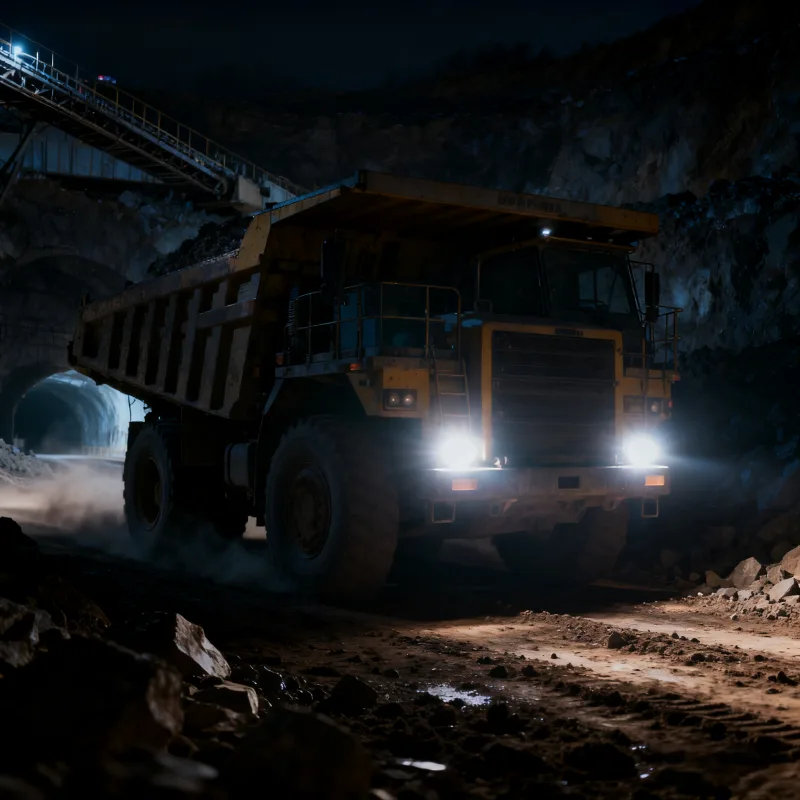
Why are heavy equipment blind areas different?
The cab, engine, body and attachment can block direct sight. The hidden area changes when a boom, bucket or load moves. Mirrors and one rear camera may not show every side.
How should a site measure the view?
Use the machine manual, available blind-area diagrams and a controlled walk-around. Mark where a standing or crouching person cannot be seen. Repeat the check for normal attachment positions.
- Forward and reverse travel
- Turning and tail swing
- Loading and unloading
- Workers near the machine

What should a camera system show?
The image should be clear at the distance where the operator needs to decide. The display should not cover another key control or view. A wide lens shows more area but can make objects look smaller.
When do AI or proximity alerts help?
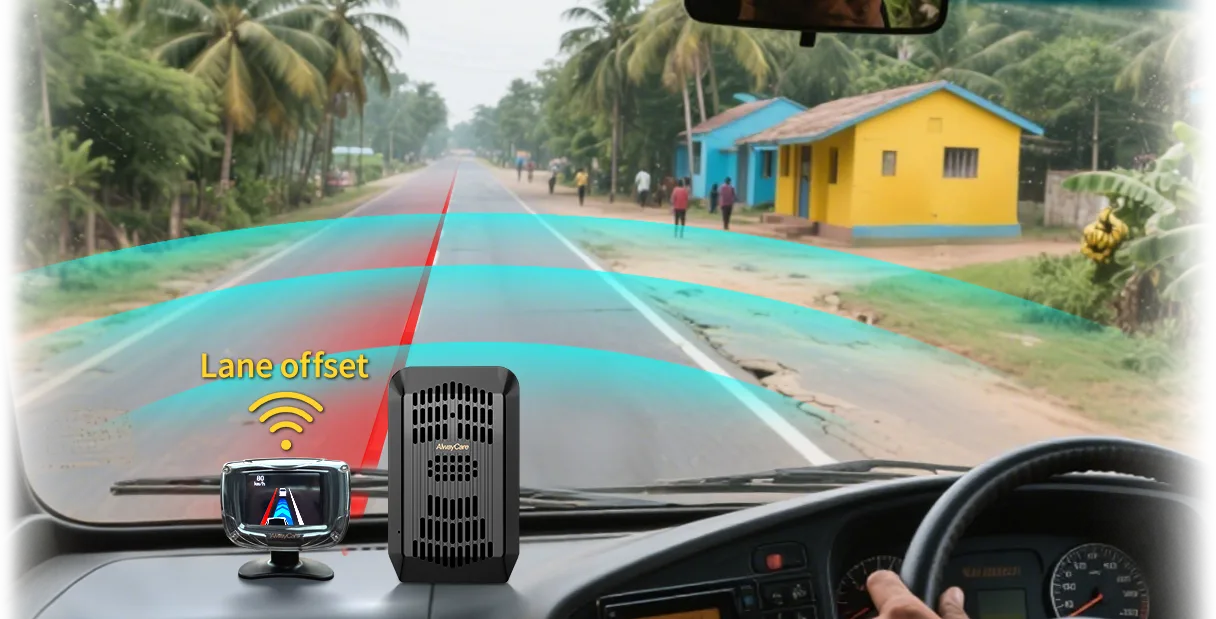
An alert can add support in a set detection zone. It may miss an object or alert on a harmless event. Site testing, clear alarm meaning and a safe response rule are essential.
Where can AlwayCare fit?
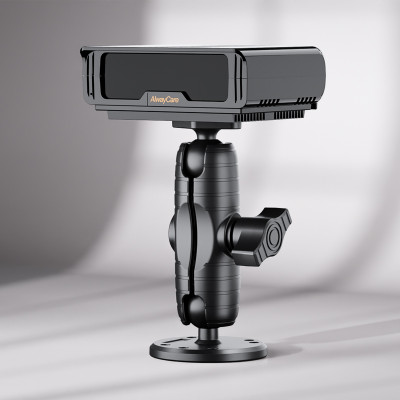
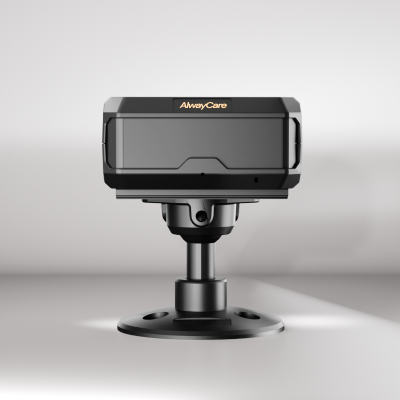
AlwayCare supplies cameras, monitors, recorders and warning products for commercial vehicles and equipment. Share the machine model and risk area so the view and connection needs can be checked.
Common questions
Can cameras replace a spotter?
Not when the site plan or task needs a spotter.
Is the widest lens always best?
No. A very wide view can reduce useful detail.
Should every alert become a driver fault?
No. Review the scene and system limits first.
Key point to remember
Start with the duty and measured risk. Choose one tool for one clear job, test it in real work and keep a person responsible for the final decision.
Information checked
This guide uses NIOSH construction-equipment visibility research and blind-area diagrams as a planning reference.