Ultrasonic Reversing Sensors for Commercial Vehicles
Reversing Sensor Guide
An ultrasonic reversing sensor sends sound waves and measures the echo from a nearby object. It can warn a driver about close objects that may be hard to see during slow reversing.
The short answer
Ultrasonic sensors can add close-range distance warnings to a commercial vehicle. They do not see every object in every condition, and they cannot support a fixed 95% accident-reduction promise without a fleet test.
How does an ultrasonic sensor work?
The sensor sends a sound pulse
The sound is above the normal range of human hearing.
The pulse hits an object
Part of the sound returns to the sensor.
The system measures the time
The return time helps estimate how far away the object is.
The driver gets a warning
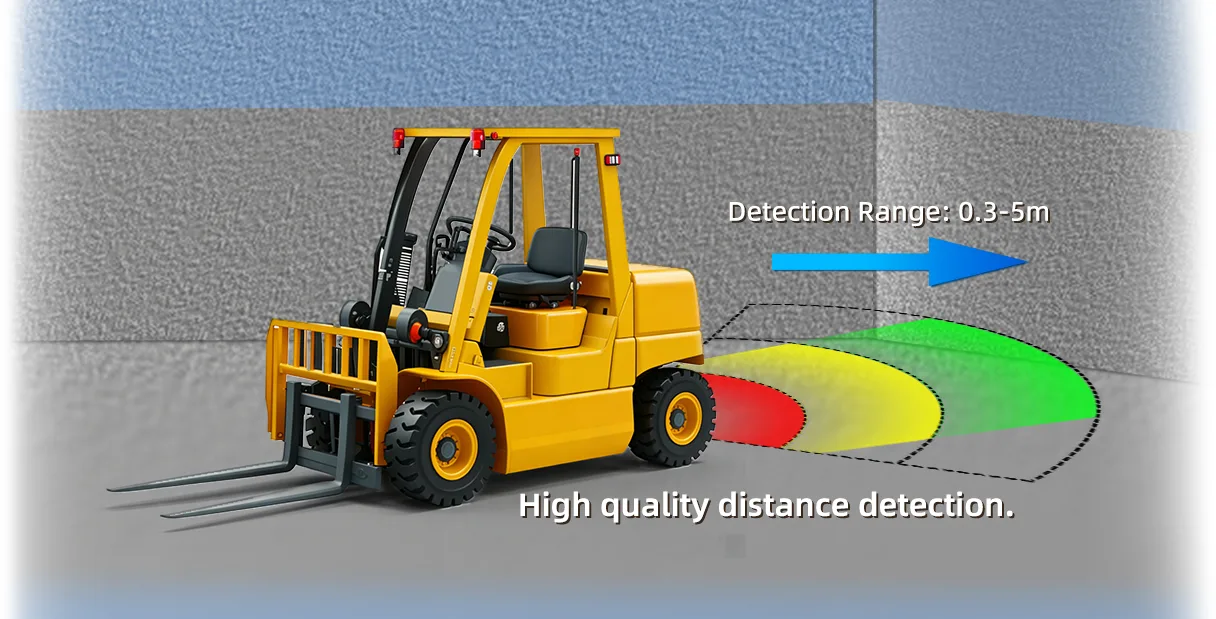
The alert can change as the object gets closer.
Ultrasonic sensing is not the same as radio radar, even when a product name uses the word radar.
What can affect an ultrasonic warning?
- Soft material: some surfaces may absorb more sound.
- Small or angled objects: the echo may return away from the sensor.
- Dirt or ice: a covered sensor may give poor results.
- Heavy rain or spray: water can affect close-range readings.
- Vehicle shape: steps, hooks or attachments can sit in the sensing zone.
- Other sensors: nearby ultrasonic systems may cause unwanted signals.
How should a fleet test the system?
Test the full rear
Place safe targets at the centre, corners and near attachments.
Use different targets
Try a person-sized target, post, wall, pallet and low object.
Check each warning
Measure the real distance when the sound or light changes.
Set a stop rule
Tell drivers when to stop, get out or call a spotter.
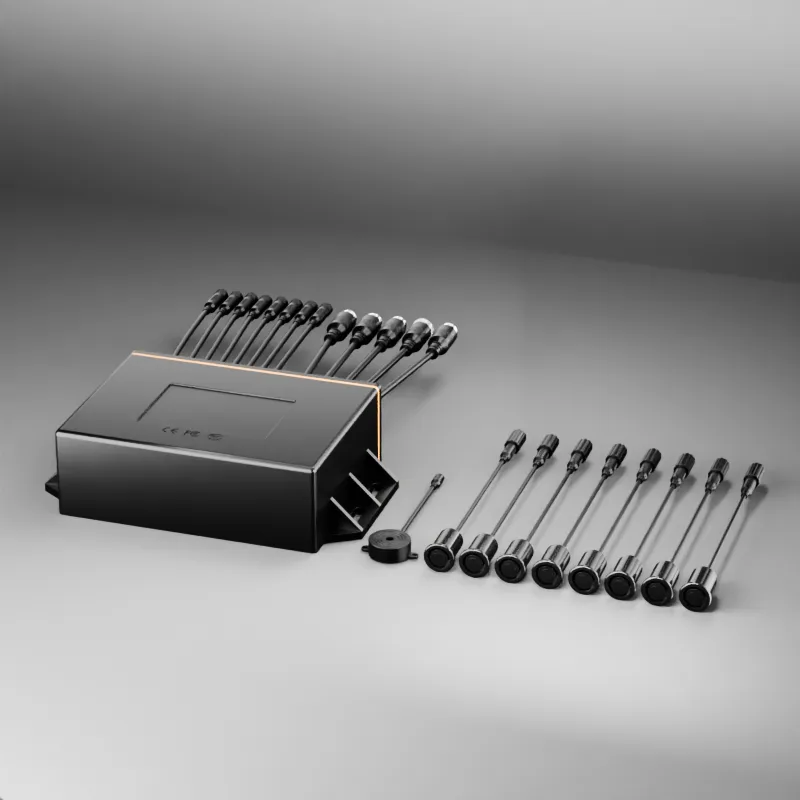
Where does R300 fit?
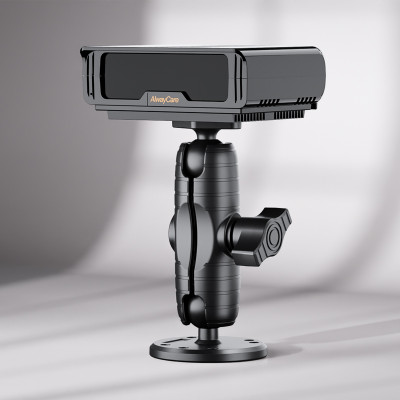
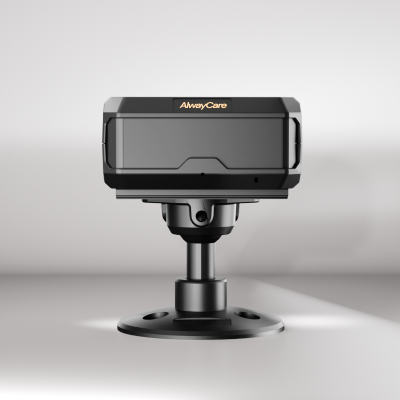
The AlwayCare R300 is a 12/24V ultrasonic parking-warning system. Its product record lists a 0–5m range, 0.1m detection accuracy and configurable alarm logic.
These are listed product values, not a promise for every target or site. Test the real vehicle before setting the final warning distances.
What other controls are still needed?
NIOSH guidance says workers should not rely on only one safety practice. A reversing plan may also use a walk-around, a clear route, a spotter, cameras, exclusion zones and high-visibility clothing.
The driver must stop when the view or warning is unclear.
Common questions
Can ultrasonic sensors detect every object?
No. Shape, material, angle and conditions can change the echo.
Can they replace a rear camera?
No. A sensor gives distance warnings. A camera gives visual context.
Can they replace a spotter?
Not for every task. Follow the site's reversing rules.
Key point to remember
Ultrasonic sensors add close-range warnings. They work best with correct sensor placement, clean hardware, real target tests and clear driver rules.
Contact AlwayCare to discuss an R300 setup.
Information checked
This guide uses public NIOSH backing-safety guidance and the current R300 product record. It removes the unsupported 95% reduction claim.