Proximity Warning Systems for High-Risk Worksites in Peru
Peru Proximity Warning Guide
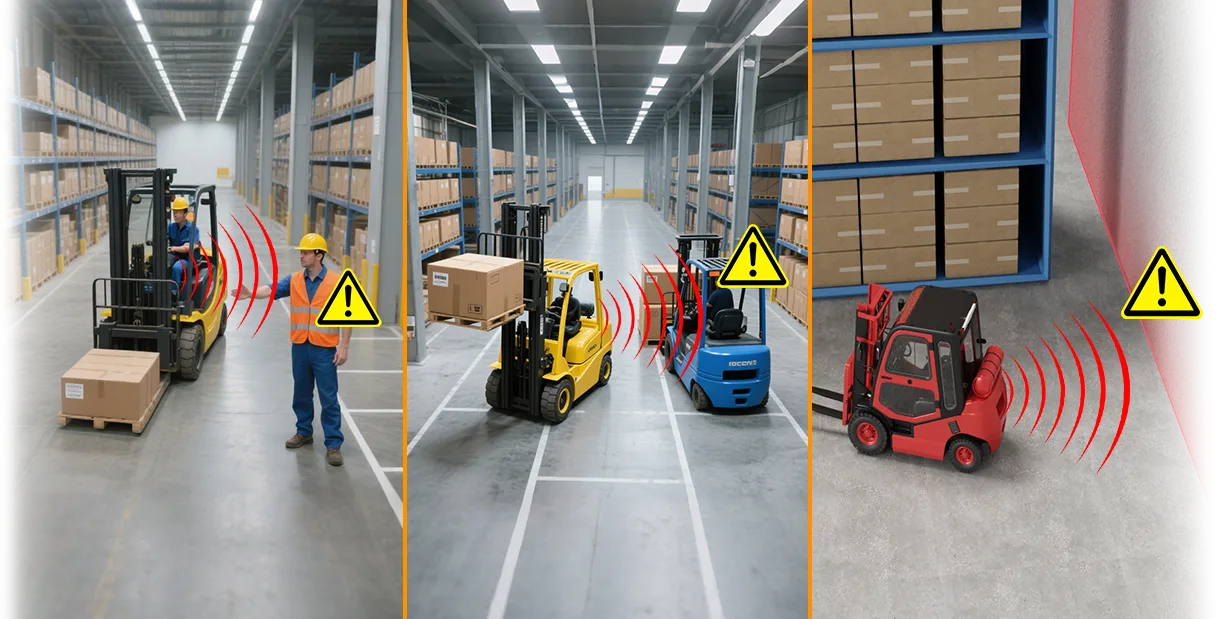
A proximity warning system can alert workers or operators when a tagged person or vehicle enters a set zone. It does not replace barriers, traffic separation, trained spotters or safe speed.
The short answer
Map vehicle and worker paths first. Separate them where possible. Then define warning zones based on speed, stopping distance and blind areas. Test tags, alarms, radio performance and worker response in each real work area.
Where can proximity warning help in Peru?
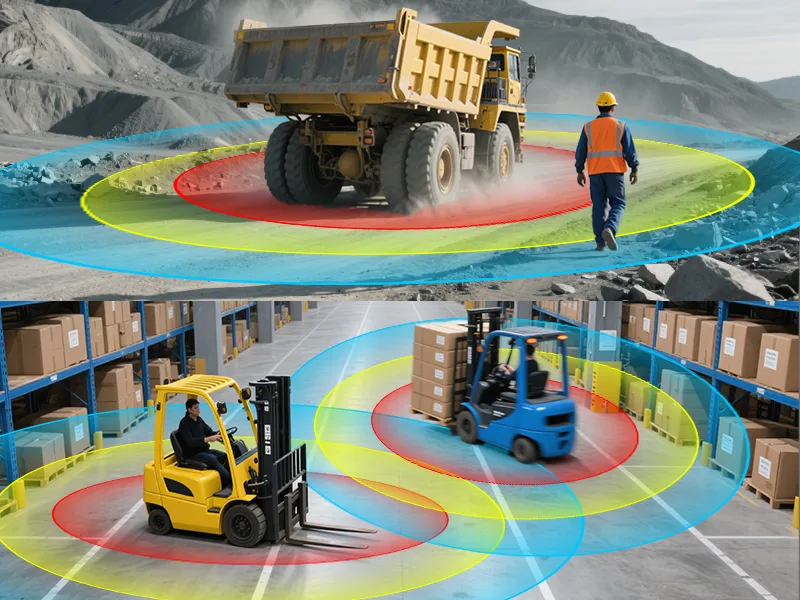
Mines, warehouses, plants and ports may place workers close to moving equipment. The site risk assessment should identify crossings, blind corners, loading zones and narrow areas before a device is chosen.
How does a tagged system work?
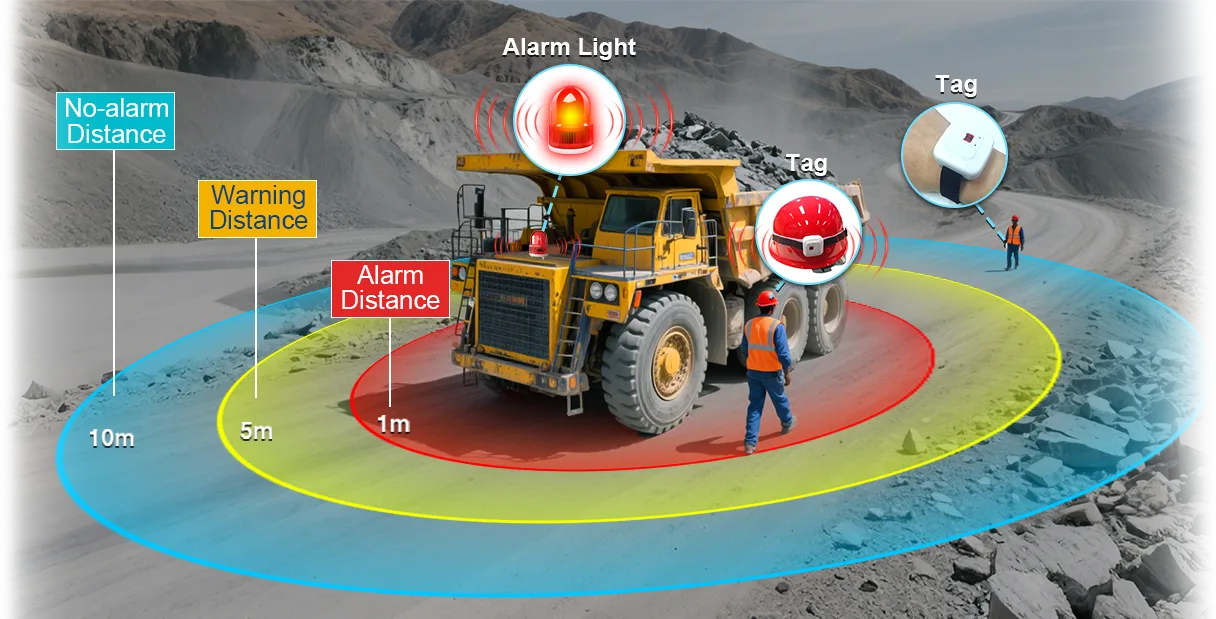
A vehicle unit and personal or vehicle tags exchange signals. The system estimates proximity and can trigger sound or light alarms. Accuracy and range depend on technology, installation and the work environment.
- Separate people and vehicles first
- Map crossings and blind corners
- Set zones from speed and stopping distance
- Test tags, alarms and failure modes
How should warning zones be set?
Use vehicle speed, stopping distance, turn path and worker escape space. A small zone may warn too late. A large zone may create constant alarms that people learn to ignore.
What must be tested on site?
Test metal structures, corners, underground areas, tag position, battery checks and multiple nearby vehicles. Include maintenance and failure alerts. Repeat tests after site layout or vehicle changes.
Where can UA350 fit?
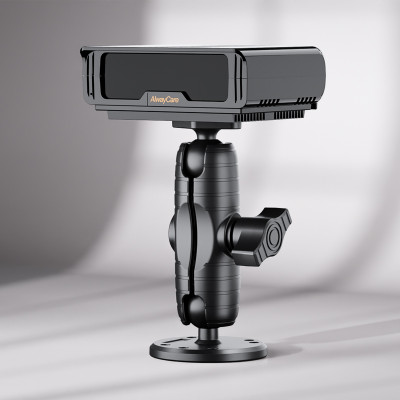
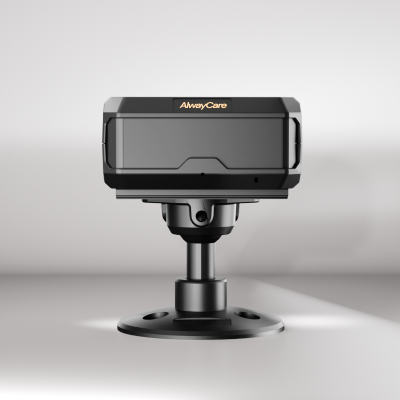
The UA350 proximity warning system can be reviewed for tagged worker and vehicle zones. Confirm tested accuracy, range, alarm levels and site fit.
Common questions
Does UWB work the same at every site?
No. Installation and the environment can affect range and accuracy.
Can an alarm replace a barrier?
No. Physical separation is usually the stronger control.
Should equipment stop automatically?
Only after a formal safety, legal and machine-control review.
Key point to remember
Treat proximity warning as one tested layer inside a wider site traffic plan.
Contact AlwayCare to discuss the vehicle, work area and warning or recording needs.
Information checked
This guide was checked against current NIOSH research on machinery struck-by risk and proximity-detection implementation.