Preventive Fleet Safety: From Policy to Driver Alerts
Preventive Fleet Safety
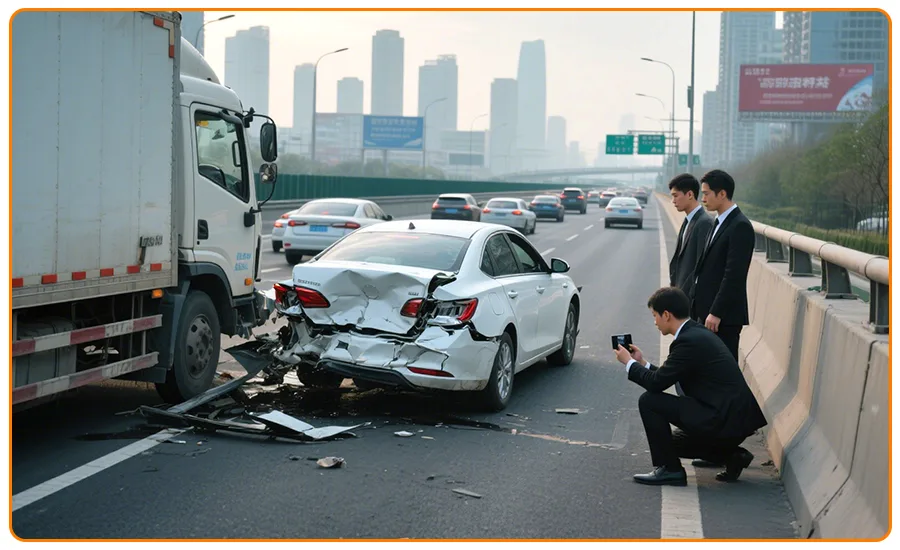
Preventive fleet safety means controlling risk before an incident, not promising that technology will stop every crash. Strong programs combine policy, safe schedules, maintenance, training and carefully chosen alerts.
The short answer
Find the events most likely to cause serious harm. Use stronger controls first: safe routes, speed, rest, maintenance and separation. Add DMS, ADAS, BSD or video for a clear remaining risk. Review alerts fairly and improve the work system.

What is preventive fleet safety?
It is a repeatable process for finding hazards, choosing controls and checking whether they work. It uses near misses and driver reports as early signals. It does not wait for a crash to start action.
Which controls should come first?
Start with route design, realistic schedules, vehicle condition, safe speed and clear rules. Technology is useful when it supports these controls or covers a risk that cannot be removed.
- Rank risks by possible harm
- Use route, schedule and maintenance controls
- Add one alert for one remaining risk
- Review data, context and system errors
How can alerts support prevention?
ADAS may warn about selected road conflicts. DMS may flag fatigue or distraction signs. BSD may watch a side zone. Each alert needs a defined response, owner and review method.
How should video and scores be used?
Use video to understand the event, not to replace judgment. Check data quality and let the driver explain. Coach one clear action. Track false alerts and system faults as well as driver behaviour.
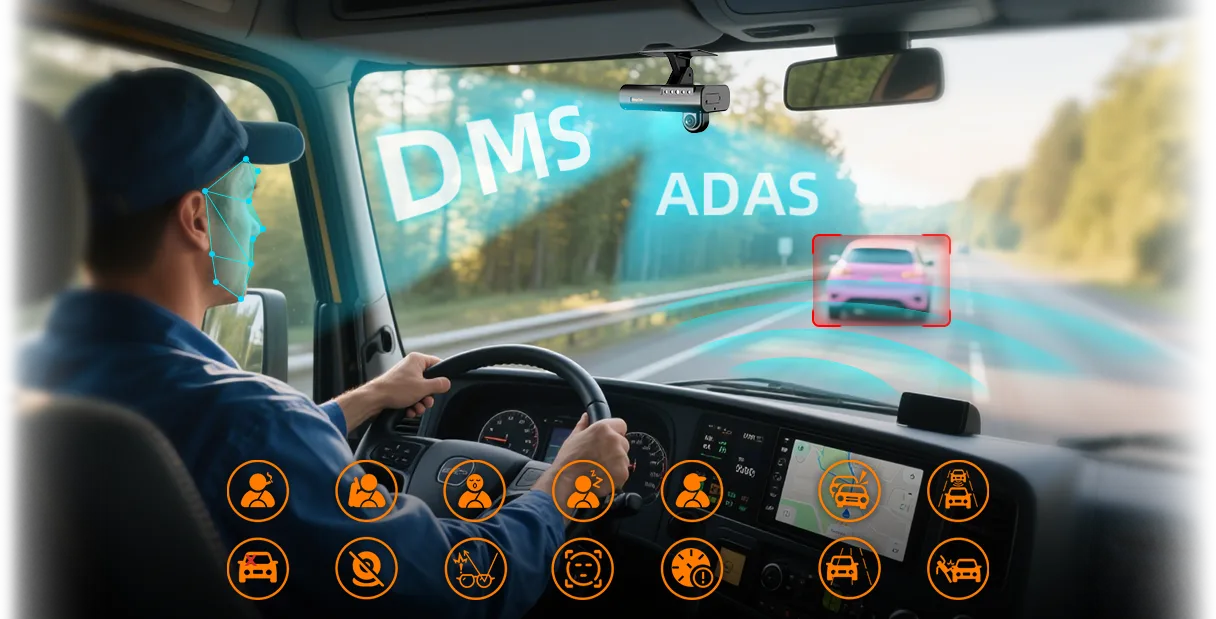
Where can AlwayCare fit?
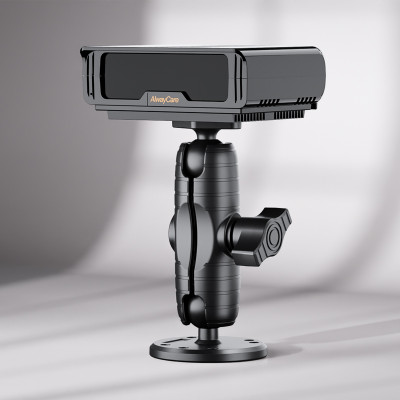
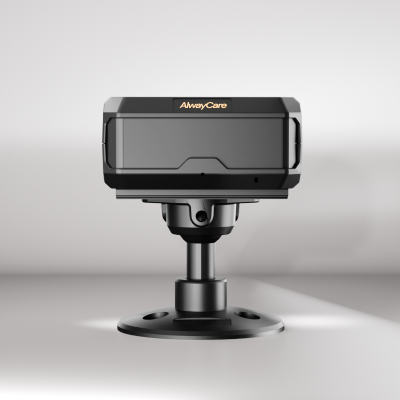
The MR700 AI dashcam combines selected road and driver functions. Separate AlwayCare ADAS and DMS options can support narrower needs.
Common questions
Can technology make a fleet accident-free?
No. It can support risk control, but uncertainty remains.
Should every fleet use every alert?
No. Too many weak alerts can reduce attention and trust.
What should be measured first?
Measure whether known hazards and review actions are closed on time.
Key point to remember
Prevention is a management process; technology is one tested part of that process.
Contact AlwayCare to discuss the vehicle, work area and warning or recording needs.
Information checked
This guide follows Safe System and occupational risk-control principles. Unsupported crash, cost and insurance claims from the earlier article were removed.