ADAS for Commercial Fleets: Functions, Limits and Selection
Fleet ADAS Guide
ADAS can warn a driver about a defined road risk, but it does not replace an alert driver. A useful fleet plan starts with the events you want to reduce. It then matches each event to one clear function.
The short answer
List the main crash risks in your fleet. Choose the warning that fits each risk. Confirm whether the system only warns or also controls the vehicle. Test it on the real vehicle, road and route before a wider rollout.
What does ADAS mean for a commercial fleet?
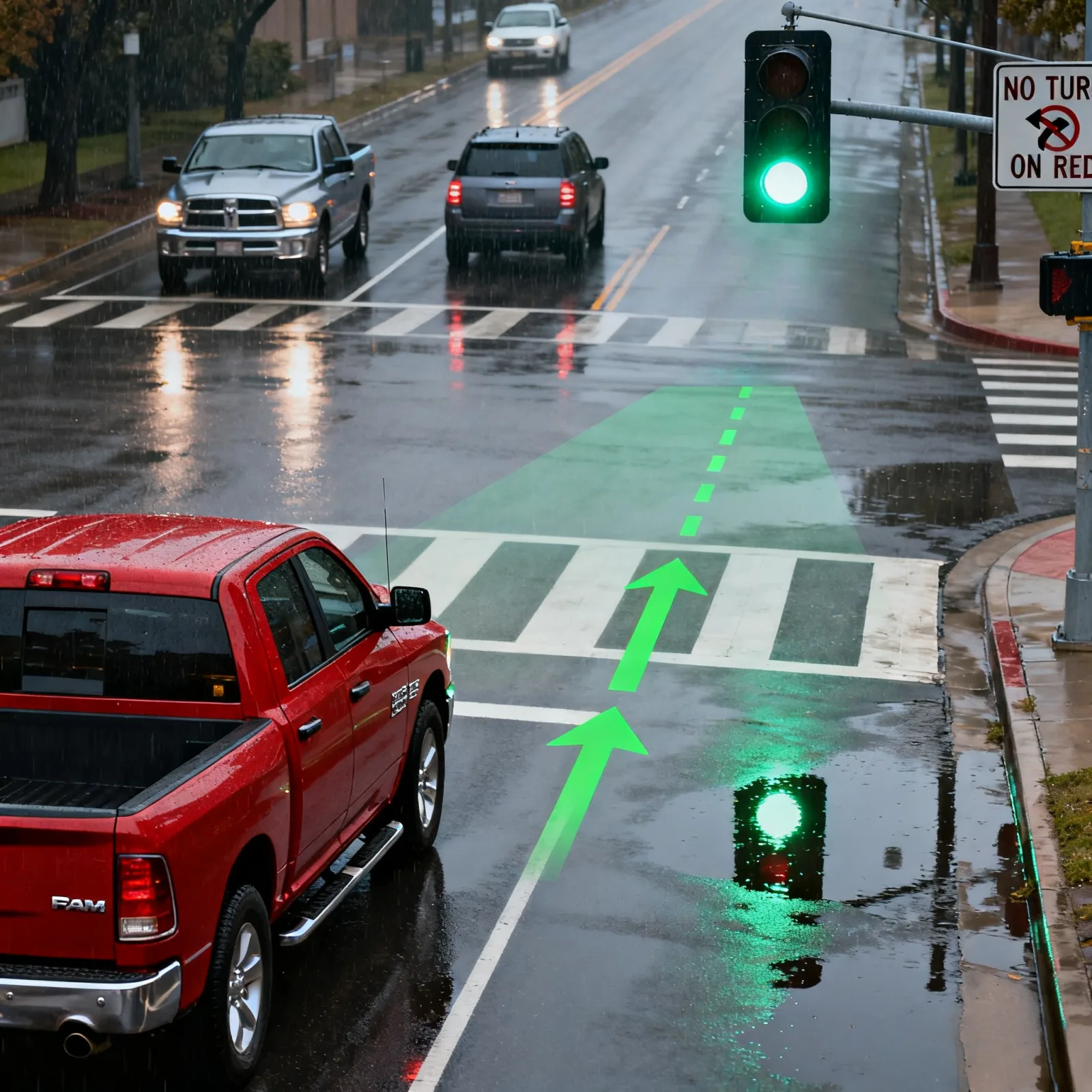
Advanced driver assistance systems use cameras, radar or other sensors to watch part of the driving scene. Common functions include forward collision, lane departure and pedestrian warnings. Some factory systems can also help with steering or speed. An added fleet device may only give a warning.
How should a fleet choose ADAS functions?
Start with incident records and driver feedback. A lane warning may help on long marked roads. A forward warning may fit rear-end risk. A blind spot warning may fit vehicles that turn near people or cyclists.
- Name the risk and driving task
- Confirm warning-only or active control
- Check speed and road-marking limits
- Test warning timing and false alerts

What can change warning quality?
Dirty glass, blocked sensors, poor mounting, glare, rain and weak road markings can affect a system. Vehicle height and vibration can also change the view. Add cleaning and calibration checks to normal service work.
How should drivers be trained?
Show drivers what each alert means and what it cannot see. Explain that they stay responsible for the vehicle. Review alerts with context, because a warning alone does not prove unsafe driving.
Where can AlwayCare fit?
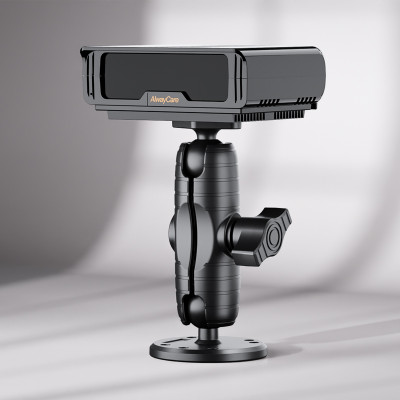
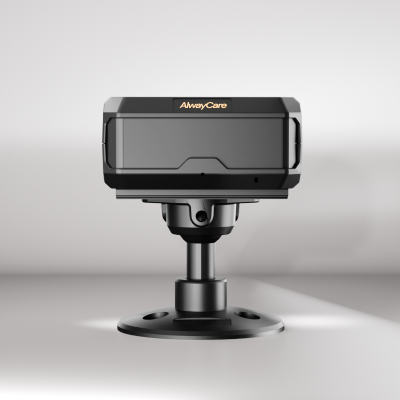
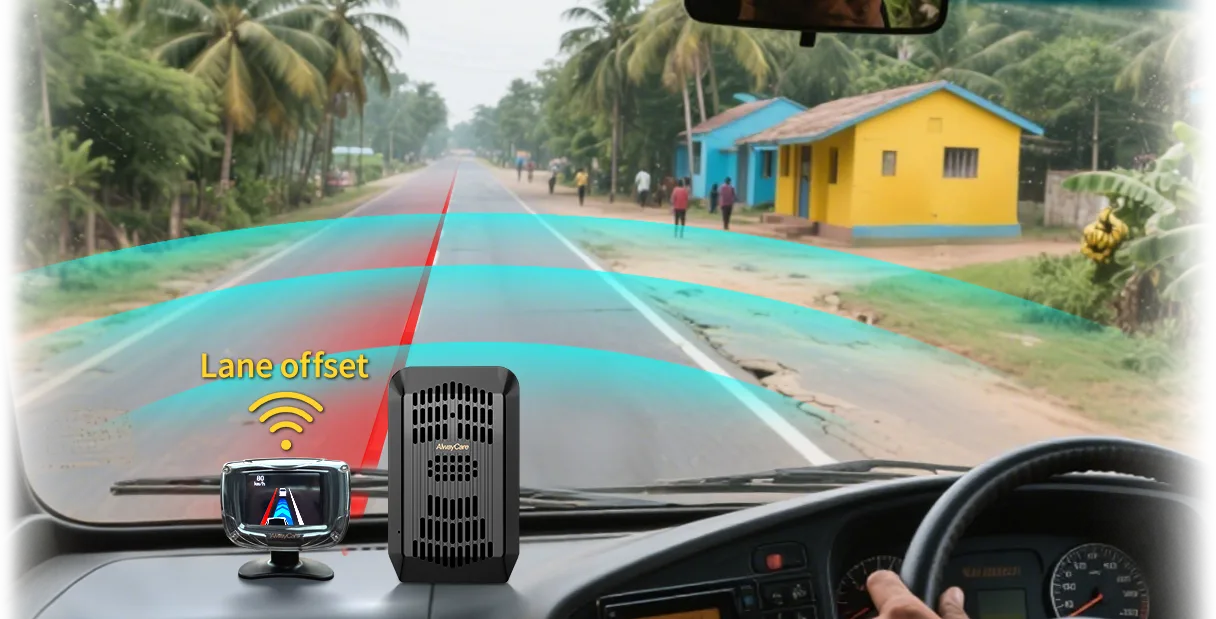
The AWS302 collision warning system is one option for fleets that need video-linked forward and lane warnings. Confirm vehicle fit, operating range and installation needs before selection.
Common questions
Does ADAS drive the vehicle?
Not always. Many fleet systems only warn the driver.
Can ADAS see every road user?
No. Every sensor has limits and blocked areas.
Is more warning sensitivity always safer?
No. Too many weak alerts can reduce trust. Test and tune the system.
Key point to remember
Start with the duty and measured risk. Choose one tool for one clear job, test it in real work and keep a person responsible for the final decision.
Information checked
This guide was checked against NHTSA driver-assistance guidance. NHTSA says drivers must stay engaged and attentive when assistive systems are in use.