Blind Spot Detection Kit: What Is in the Box and How It Is Fitted
Blind Spot Detection Guide
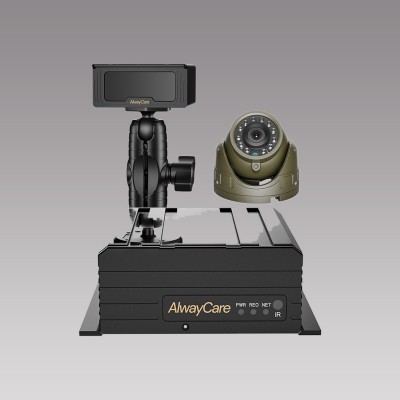
A blind spot detection kit usually has a detection camera or sensor, a control unit, an alert device and a wiring harness. Kits differ, so check the contents list before you order. This guide shows what a typical kit holds, what is optional and how a kit is fitted.
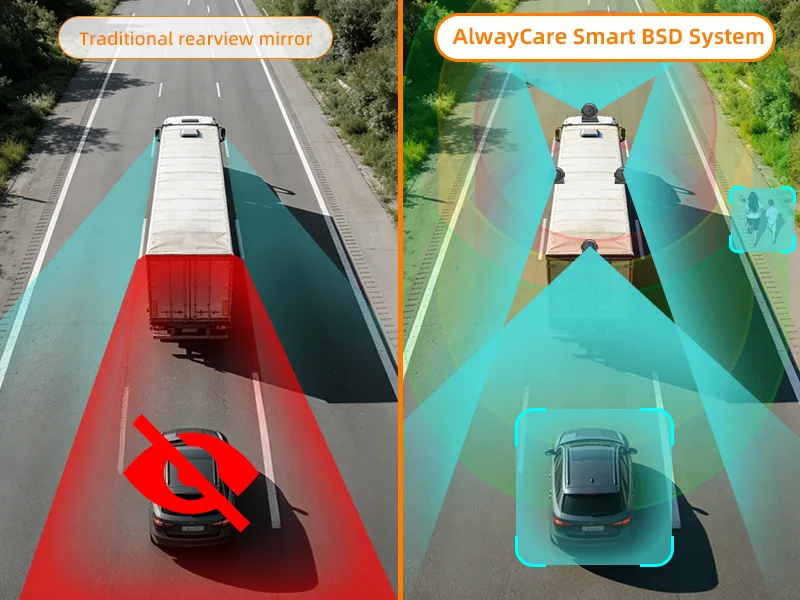
Typical kit contents
| Part | What it does | What to check |
|---|---|---|
| Detection camera or sensor | Watches the blind spot and finds people or vehicles | Mounting position, viewing angle and the type of object it detects |
| Control unit or recorder | Processes the signal and sends the alert | Number of channels, supply voltage and where it mounts in the cab |
| Alert device | Tells the driver, for example a buzzer, a light or a monitor | Where the driver can see or hear it, and how loud it is |
| Wiring harness | Connects power, camera and alert | Cable length for your vehicle and the connector type |
| Brackets and fixings | Hold the camera and unit in place | Whether they suit the surface and the vibration on the vehicle |
What is often optional
- A monitor or extra display.
- Extension cables for long vehicles or trailers.
- A second or third camera for another side.
- A recorder that saves video for later review.
The contents depend on the model. Ask for the full list in your quotation before you compare prices.
How a kit is fitted
- Decide which side or sides need detection. Walk around the vehicle with the driver.
- Choose the camera positions and check the field of view against the area you want to watch.
- Mount the cameras and route the cables away from heat, sharp edges and moving parts.
- Wire power and ground to a fused supply and connect the ignition signal as the unit requires.
- Connect the alert device where the driver can see or hear it.
- Power up, set the detection area and test with a person walking into the zone.
For recorder wiring and test steps, read Mobile DVR Installation: A Fleet Wiring and Test Checklist.
Checks before you leave the vehicle
- The image is clear and the lens is clean.
- The alert sounds or lights when a person enters the zone.
- The alert does not trigger constantly on parked objects or fixed structures.
- The wiring is secured and the connectors are protected.
- The driver knows what the alert means and what to do.
For a full pilot and acceptance routine, read Blind Spot Detection Pilot Test and Acceptance Checklist for Fleets. For zones, alerts and wiring in more detail, read Blind Spot Detection System Buyer Checklist. To see what can be added to an existing truck or bus, read Can You Add Blind Spot Detection to a Truck or Bus?.
AlwayCare equipment to review
| Model | Type | Listed specifications |
|---|---|---|
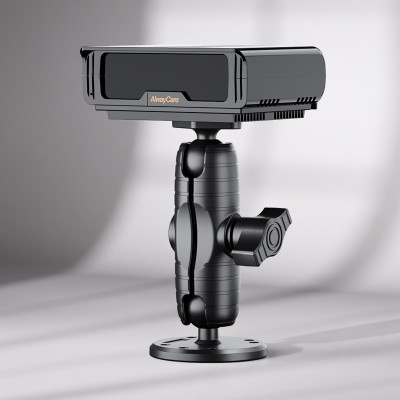
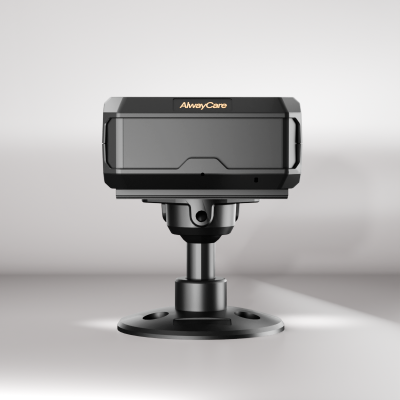
| CC1004-BSD | 1080p AI blind spot camera | 12V; 1920x1080; 90x63x65mm; -20℃ to 70℃; warranty 15 months |
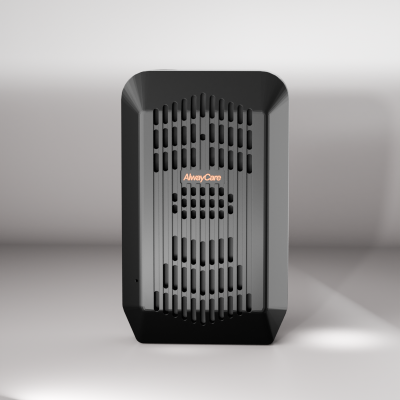
| MR910-BSD | 4-channel MDVR with blind spot detection | 12/24V; 1920x1080; GPS and BeiDou; 4G and Wi-Fi; 2 SD cards, up to 512GB each; -20℃ to 70℃; warranty 15 months |
 CC1004-BSD1080p AI Blind Spot CameraRequest a quote
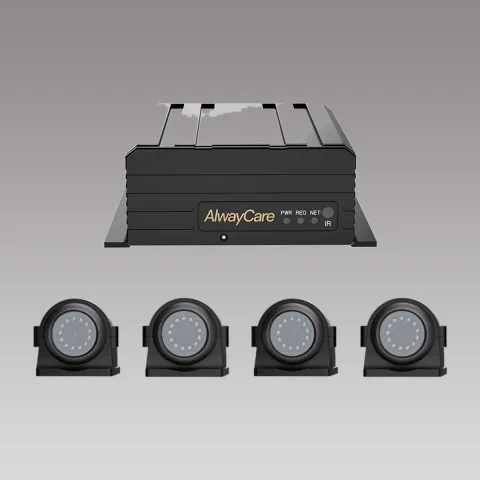 MR910-BSD4-Channel MDVR with Blind Spot DetectionRequest a quote
Specifications come from the product pages. Your quotation confirms the configuration, channel layout and fitting plan for each vehicle.
Questions about blind spot detection kits
Does a kit include a monitor?
Not always. Some kits use a buzzer or light only, and a monitor is an option. Check the contents list.
How many cameras do I need?
It depends on the vehicle and the areas you want to cover. Start from a walk-around that marks the blind areas, then choose the positions.
Can the kit be fitted to a 12V and a 24V vehicle?
Check the supply voltage of each part on the product page. Some units accept both and some are 12V only.
Does the alert control the vehicle?
No. It warns the driver. It does not brake or steer.
Who should fit the kit?
A trained installer, especially for wiring to the vehicle supply and ignition. Test the finished installation before use.
Key points
- Kits differ. Get the full contents list in writing.
- Plan the positions from a walk-around of the vehicle.
- Route and protect the cables, then test with a person in the zone.
- The alert warns the driver. It does not control the vehicle.
For example layouts, equipment packages and the full blind spot camera and radar range in one place, see the blind spot detection solution for trucks and buses.