Blind Spot Detection Pilot Test and Acceptance Checklist for Fleets
Blind Spot Detection Pilot Guide
A blind spot detection pilot should show, on your own vehicles, what the system warns about and what it misses. This checklist gives the setup, the tests to run and a record sheet. Set the pass levels from your own pilot: there is no universal pass rate.
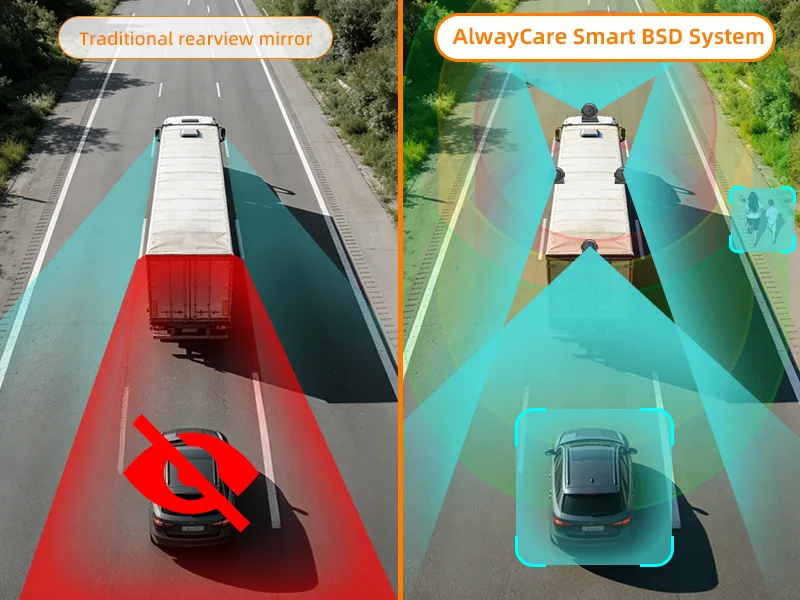
Before the pilot
- Map the blind zone for each vehicle type, on both sides if needed.
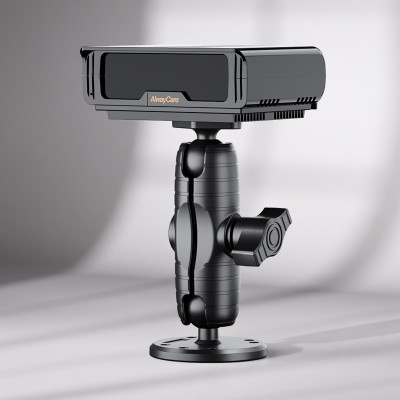
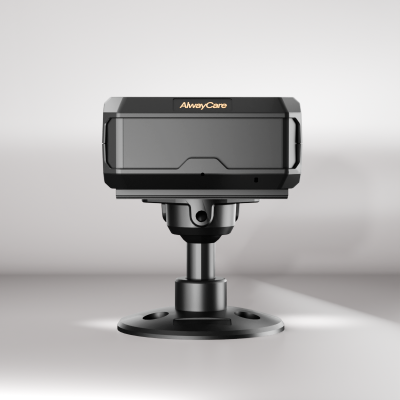
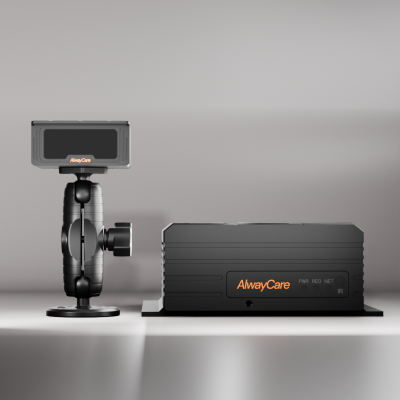
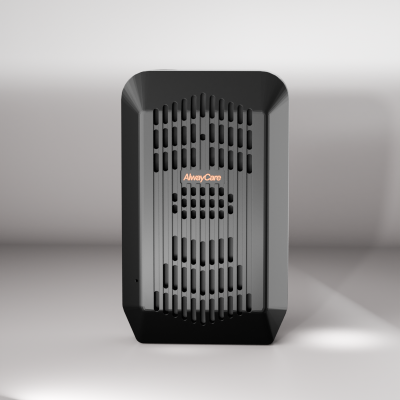
- Choose the unit: camera, radar or a recorder with BSD. See Can You Add Blind Spot Detection to a Truck or Bus?.
- Confirm where the warning appears: a monitor, a sound or a light.
- Fit the unit as the supplier shows and record the mounting position.
- Agree who runs the test, who records results and what counts as a pass.
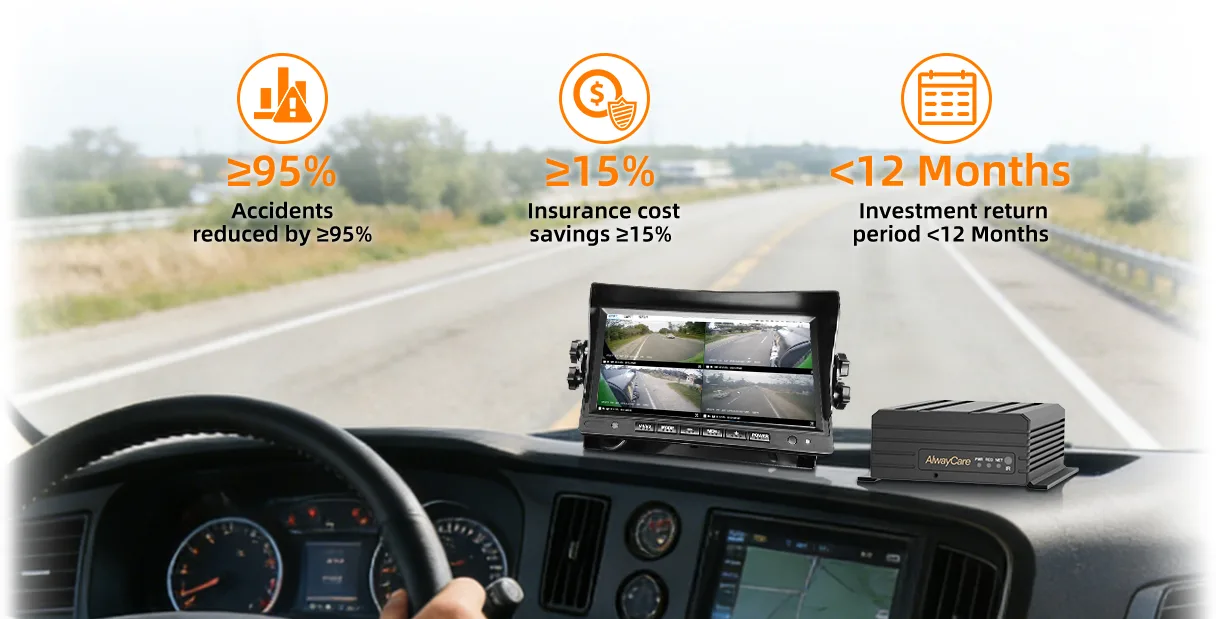
Tests to run
| Test | How | What to record |
|---|---|---|
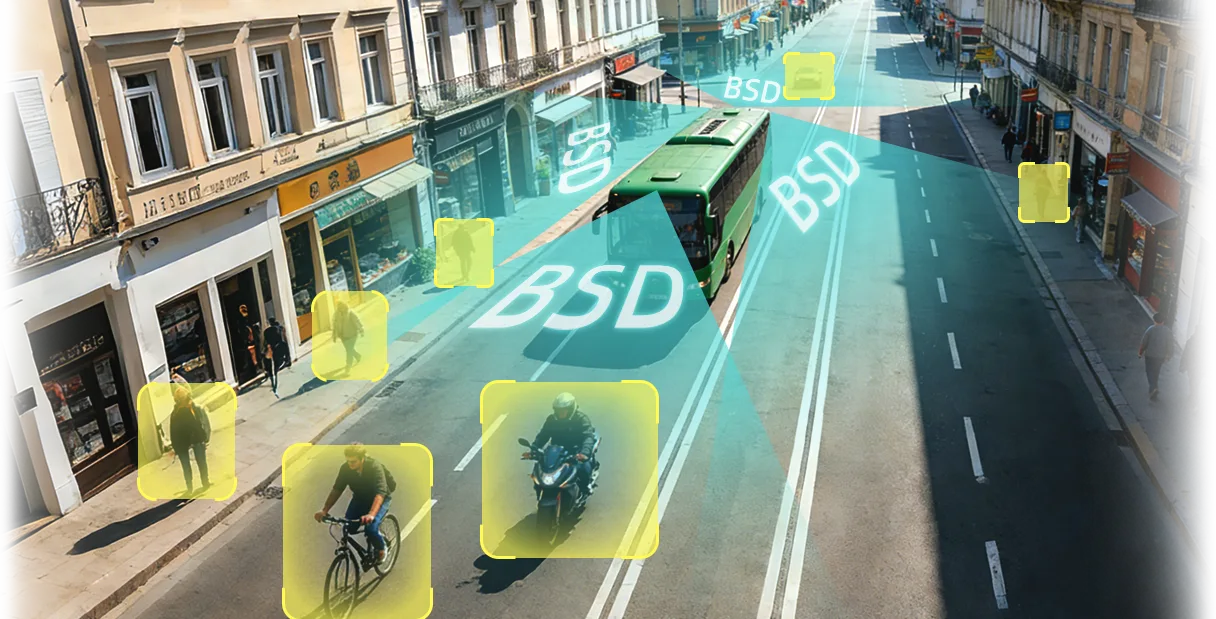
| Person beside the vehicle | A person walks into the side zone at walking pace | Whether and when the warning appears |
| Cyclist | A cyclist rides alongside the vehicle | Whether the warning appears and its timing |
| Passing vehicle | A car passes through the zone | Whether the warning appears and whether it is clear |
| Fixed objects | Drive past a guardrail, parked car or wall | False warnings |
| Night | Repeat the key tests after dark | Any change in warnings |
| Rain and dirt | Repeat with a wet or dirty lens | Any change in warnings |
| Driver response | Ask the driver to use the system on a normal route | Whether the driver notices the warning and can act on it |
Record sheet
| Field | Fill in |
|---|---|
| Vehicle and unit | Vehicle ID, model and mounting position |
| Date and conditions | Time of day, weather, lens state |
| Test | One row per test above |
| Result | Warned, late, missed or false warning |
| Notes | Photos, setting changes and who tested |
Decide the result
- Count missed warnings and false warnings for each test.
- Fix settings or mounting and repeat the tests that failed.
- Agree the pass levels with operations and safety staff, based on your own results.
- Write down the limits you found and tell drivers.
- Expand to more vehicles only after the pilot meets the agreed levels.
For how blind spot detection works, read What Is a BSD System? and AI Blind Spot Detection for Commercial Fleets.
Questions fleets ask about BSD pilots
How many vehicles should the pilot include?
Include a few vehicles of each type you run, on your normal routes. The aim is to test the warnings and the driver response.
Is there a standard pass rate?
No. Set the levels from your own pilot results and agree them with the people who run and review the system.
Should I test at night and in the rain?
Yes. Light, rain and dirt on the lens can change what the system detects.
Does a warning mean the driver can stop checking mirrors?
No. A BSD warning is an aid. The driver still uses mirrors and direct vision.
Where can I see BSD products?
See the blind spot detection range and send your vehicle types for a recommendation.
Summary
- Map the blind zone and fit as the supplier shows.
- Run the same tests on each vehicle type and record every result.
- Test at night and with a wet or dirty lens.
- Set pass levels from your own pilot and expand step by step.
See the blind spot detection range or send an inquiry with your vehicle type.
For blind spot camera and radar options in one place, see the blind spot detection solution for commercial vehicles.