Blind Spot Detection System Buyer Checklist: Zones, Alerts and Wiring
BSD Buyer Checklist
Blind spot detection (BSD) systems differ in what they detect, where they detect it and how they warn the driver. This checklist gives you the same questions to ask every supplier. For what BSD is, read What Is a BSD System?. For fitting BSD to an older vehicle, read Can You Add Blind Spot Detection to a Truck or Bus?.
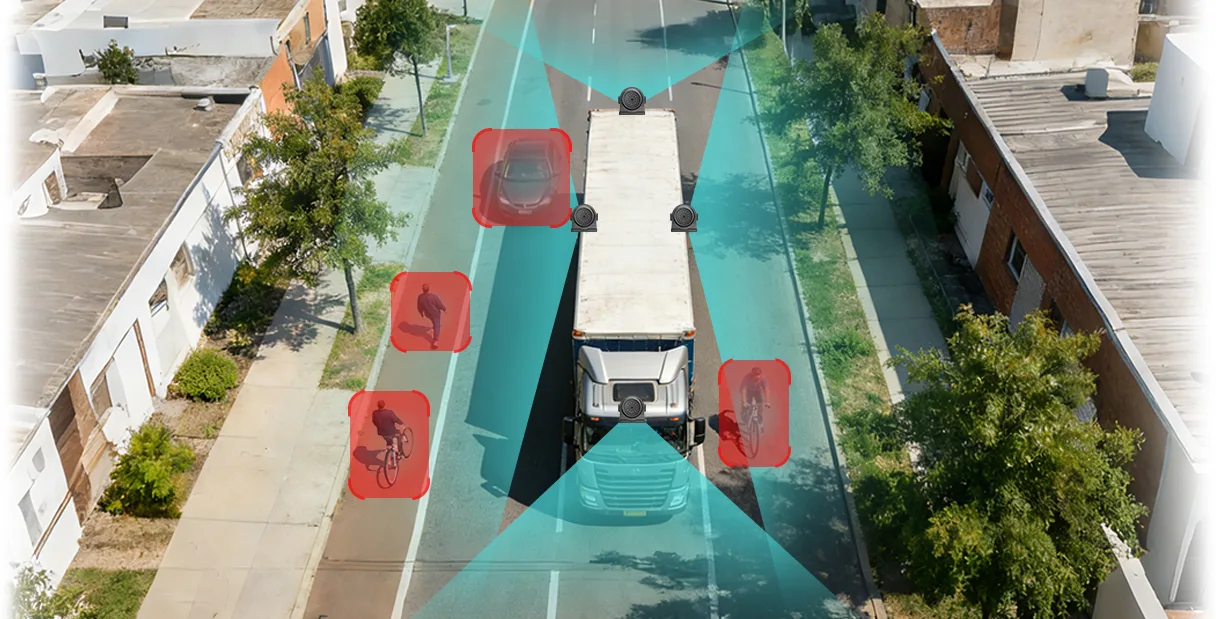
1. Detection zones
| Question | Why it matters |
|---|---|
| Which side of the vehicle needs coverage? | The nearside of a right-hand-drive or left-hand-drive vehicle differs. Buses and trucks often need both sides |
| How far along the vehicle does the zone run? | A long vehicle needs coverage along its full length, not only near the cab |
| What does the system detect? | People, cyclists, vehicles or all of them. Check the exact model |
| What is the detection range? | Ask for the distance in metres and the conditions it applies to |
2. Alerts
| Question | Why it matters |
|---|---|
| How is the driver warned? | A buzzer, a speaker, a light or a monitor image. Choose what the driver will notice in a loud cab |
| Is there a warning outside the vehicle? | Some sites want an external alert for people near the vehicle |
| Can alerts be tuned? | Too many alerts get ignored, so ask what can be adjusted |
| Are alerts recorded? | Check whether events are saved with video for review |
3. Wiring and supply
- What is the supply voltage, and does it match the vehicle?
- Which connector is used, and what cable lengths are included?
- Does the alert output connect to a buzzer, a monitor or a speaker?
- How many cameras and how much cable does a full vehicle need?
4. Testing and acceptance
- Mark the blind spot zones on the ground around the vehicle.
- Walk a person and ride a bicycle through the zone and note when the alert starts.
- Repeat at night and in rain if the vehicle works in those conditions.
- Record the result and agree the pass mark with the supplier before the fleet order.
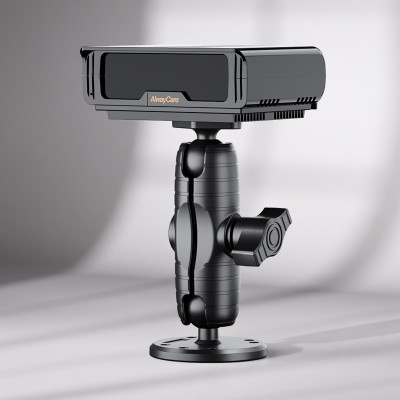
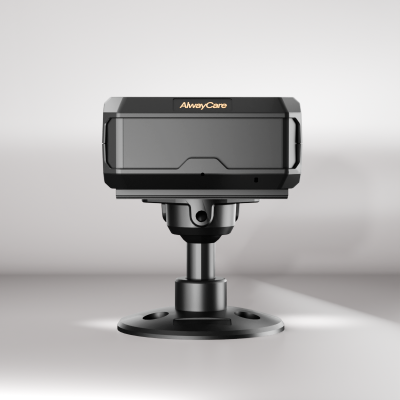
AlwayCare blind spot cameras to review
| Model | Type | Listed specifications |
|---|---|---|
| CC1003A-BSD | 1080P infrared AI blind spot camera | 100° horizontal angle; 1/2.9" CMOS; detects pedestrians, cyclists, e-bikes and vehicles; 1 I/O alarm output; DC 12V ±6%; −20 to 70°C; warranty 15 months |
| CC1002-BSD | 1080P AI blind spot camera with pedestrian warning | Pedestrian and cyclist detection; IP69K; 4-pin aviation connector; DC 12V ±6%; infrared night vision; −20 to 70°C |
| CC1004-BSD | 1080p AI blind spot camera | 12V; 1920x1080; 90×63×65mm; −20 to 70°C; warranty 15 months |
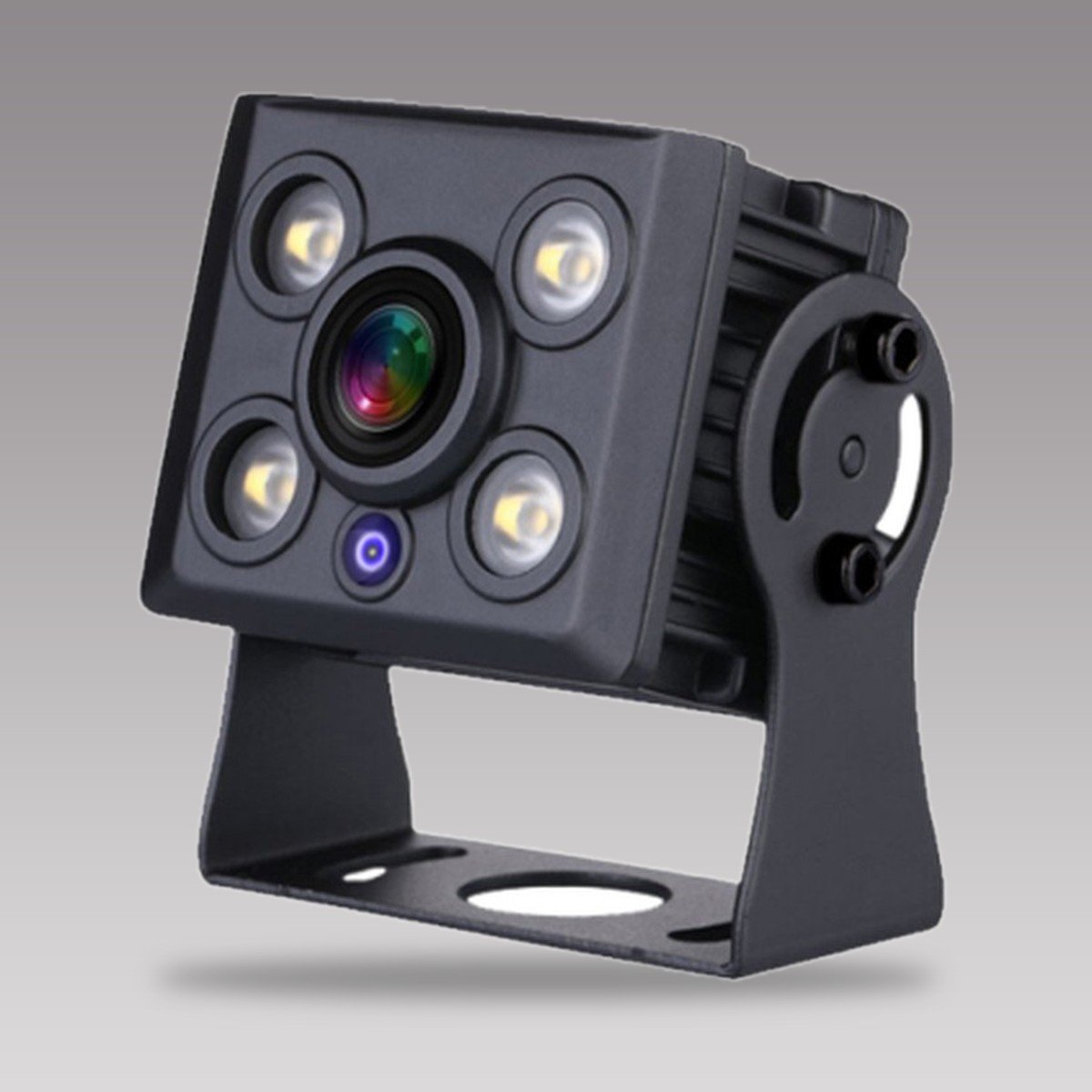
Specifications come from the product pages. Confirm the detection zone, alert output and cable length for your vehicle in your quotation.
Questions buyers ask about BSD systems
Does a BSD system replace mirrors?
No. It adds a warning for the blind spot zone. Mirrors and a careful approach are still needed.
Can BSD detect pedestrians and cyclists?
Models with a detection function can. Check the exact model and the conditions it was specified for.
Do I need one camera or two?
It depends on the vehicle. Many trucks and buses need coverage on more than one side.
Can BSD record video?
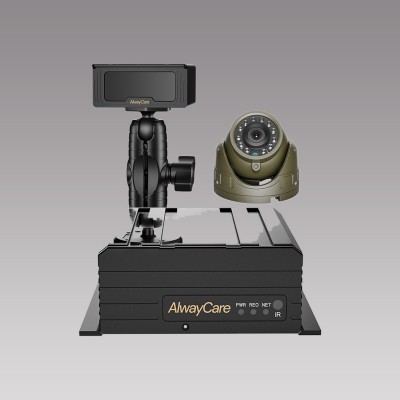
A camera alone sends video to a monitor or recorder. Recording needs a recorder or a mobile DVR in the system.
How should I test a BSD system?
Mark the zone on the ground and test with a person and a bicycle, by day and at night, before a fleet order.
For example layouts, equipment packages and the full blind spot camera and radar range in one place, see the blind spot detection solution for trucks and buses.