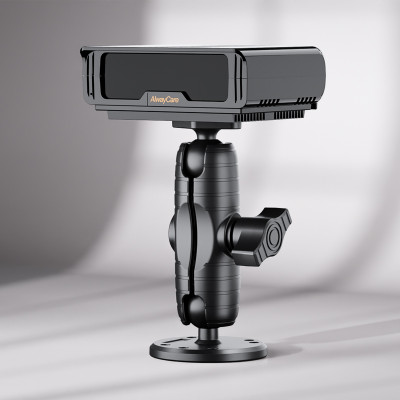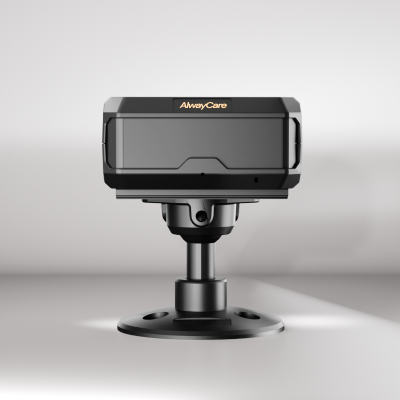


2CH vs 3CH vs 4CH Fleet Dash Cams: How to Choose Channel Count
2CH vs 3CH vs 4CH Fleet Dash Cams: How to Choose Channel Count
Channel count is a coverage decision, not a spec-sheet flex. This guide maps every channel to the incidents it actually resolves, gives you a decision matrix by vehicle type, and shows the storage and power consequences nobody mentions at quote stage.
Short answer
Two channels is the minimum that does anything useful, and for most fleets it means one road-facing plus one driver-facing camera — not front and rear. Three channels adds a single external view, which is usually the side or rear blind spot on a rigid vehicle. Four channels adds a second external view and is worth it on long vehicles, buses and anything with a trailer or serious blind-spot exposure. Above four, you have left "dashcam" and bought an MDVR — a different product with different economics. The mistake to avoid is buying channels to cover angles you have never had a claim against.
The 2CH trap: same number, different camera
Two-channel dashcams are advertised as though "2CH" means something. It does not. In the fleet market, 2CH most commonly means one of two completely different things:
- Front + rear — the consumer convention. Road-facing camera plus a rear window camera. Useful for rear-end disputes.
- Road + driver — the fleet convention. A road-facing camera for ADAS functions, plus an in-cab infrared camera for driver monitoring (DMS).
These are not interchangeable, and the difference decides what the system is for. A front-and-rear unit protects you in a rear-end claim. A road-and-driver unit tells you whether your driver was fatigued or on the phone before the incident — which is a different question, and the one that most fleet safety programmes actually buy for.
When a quote says "2-channel", ask which two channels. If you assume front + rear and receive road + driver, you have no rear coverage and no way to retrofit it on that unit. If you assume road + driver and receive front + rear, your safety programme has no driver-behaviour data at all — and the whole business case you wrote collapses.
The same trap scales up. On a 3CH unit, the third channel might be a rear camera, a side camera or a second in-cab view. On a 4CH unit it might be two external cameras or an external plus a cargo view. Always specify by angle, never by number.
What each channel actually resolves
This is the part most buyer's guides skip: they list what each camera sees instead of what each camera settles. Fleet video only earns its cost when it changes the outcome of a specific dispute or identifies a specific behavioural risk. Here is the mapping.
Read that table against your own claim history before you read anything else in this article. The right channel count is the one that covers the top two or three incident categories you actually experience — not the one that covers everything theoretically possible.
2CH vs 3CH vs 4CH compared
| Dimension | 2CH | 3CH | 4CH |
|---|---|---|---|
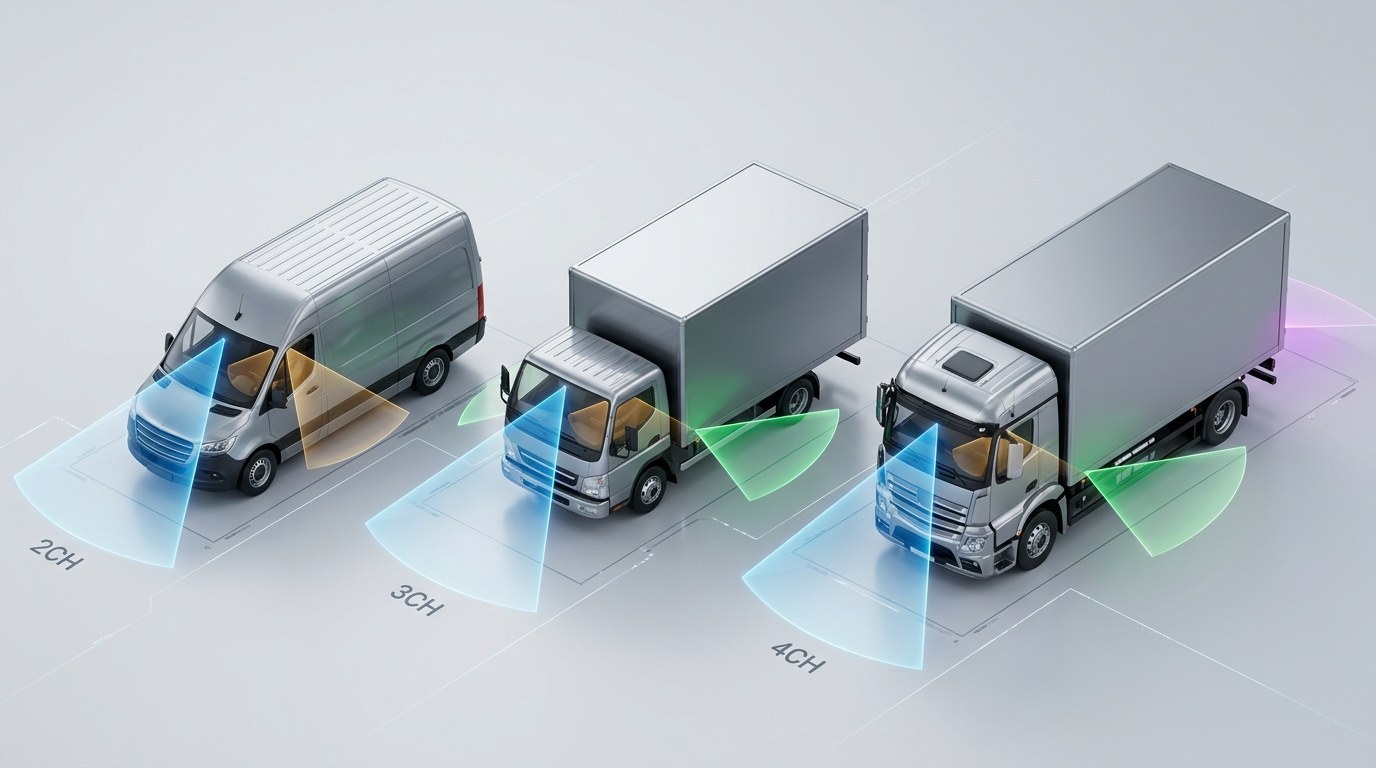
| Typical angles | Road + driver | Road + driver + 1 external | Road + driver + 2 external |
| Resolves | Front incidents and driver behaviour | Plus rear or side incidents | Plus both rear and side, or cargo |
| Best vehicle fit | Vans, cars, taxis, small commercial | Box trucks, shuttles, mid-size buses | Rigid trucks, trailers, buses, hazmat, mining |
| Blind-spot exposure | Uncovered | Partially covered (one side) | Covered both sides |
| Resolution reality | Highest available on main + driver cameras | Main stays high; external cameras typically lower | Main stays high; external cameras typically lower |
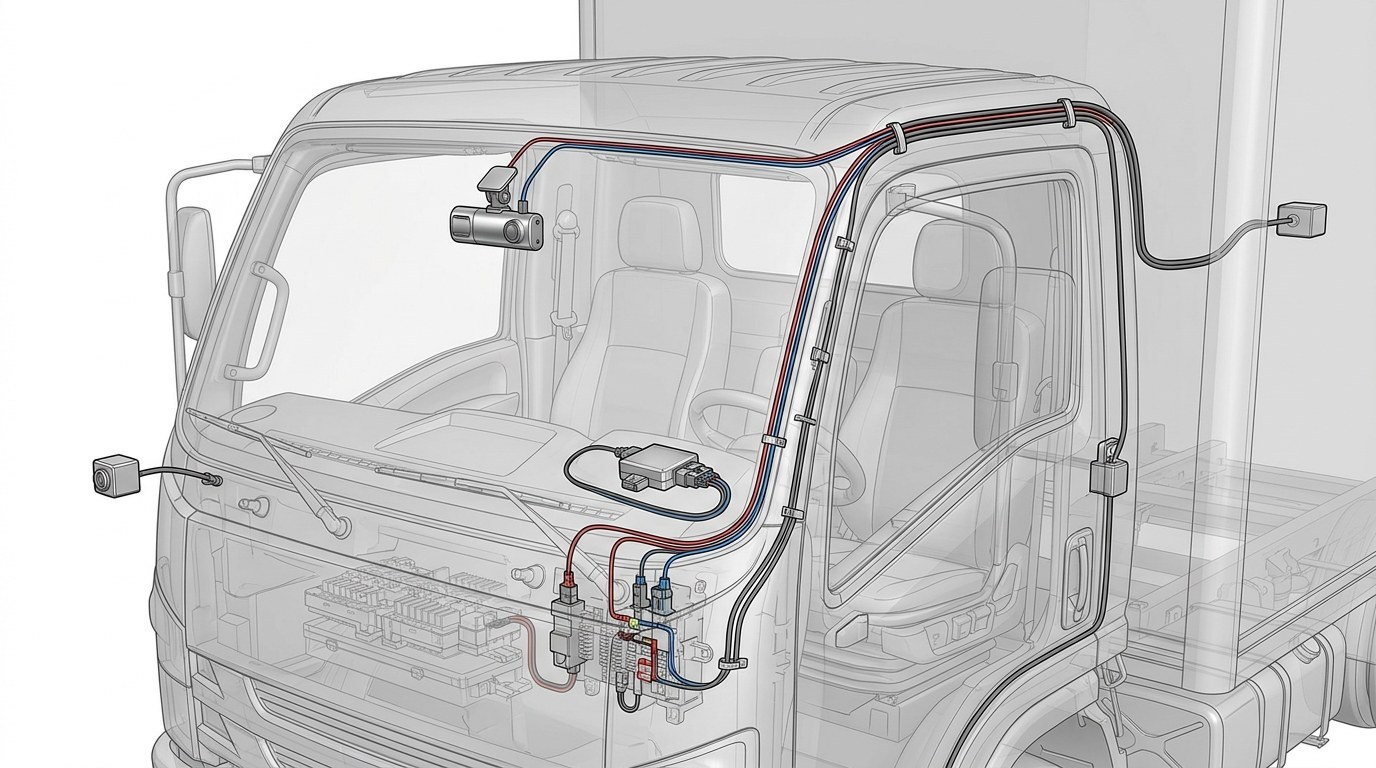
| Install complexity | Low — usually self-contained | Moderate — one cable run, one extra mount | Higher — two cable runs, possible power question |
| Storage load | Lowest | +25–35% vs 2CH | +50–70% vs 2CH |
| Crosses into MDVR territory? | No | No | At the edge — check port count |
One note on that "resolution reality" row, because it catches people out. When a manufacturer adds external channels, those channels are often lower resolution than the main road-facing camera — commonly 720P against 1080P on the primary. That is a sensible engineering trade-off, but it means a 4CH system is not four equal cameras. If you need evidential quality on the side view specifically, say so at specification stage rather than assuming.
Decision matrix by vehicle type
| Vehicle type | Practical minimum | Sensible choice | Why |
|---|---|---|---|
| Cars, taxis, ride-hailing | 2CH (road + driver) | 2CH | Passenger and driver-conduct disputes dominate. A rear camera adds little on a vehicle with good all-round visibility. |
| Work vans and cargo vans | 2CH (road + driver) | 2CH, or 3CH if you reverse frequently | Reversing and depot manoeuvring claims justify a rear view on vans that do multi-drop work. |
| Box trucks and delivery trucks | 3CH | 3CH or 4CH | Body length creates a real flank blind spot. Side coverage starts earning its cost here. |
| Shuttle buses and minibuses | 3CH | 3CH | Passenger incident disputes plus doorway and reversing risk. A monitor output is often wanted for the driver. |
| Rigid trucks and tractor units | 4CH | 4CH, or step up to MDVR | Long wheelbase, trailer articulation, high blind-spot exposure. This is where 3CH genuinely leaves gaps. |
| Buses and coaches | 4CH | 4CH minimum, often more | Doorway, interior, side and rear all carry separate claim types. Passenger-heavy operations usually outgrow dashcam architecture. |
| Hazmat, tankers, mining | 4CH | 4CH+ or MDVR | Consequence of an incident is high enough that coverage gaps are not an acceptable risk. Multi-camera MDVR is usually the correct architecture. |
Can you add channels later?
This is the question that separates a good purchase from an expensive one, and almost no buyer's guide addresses it. It matters because fleets rarely buy the right channel count first time — they buy 2CH, discover a blind-spot problem a year later, and then find out whether their hardware can grow or has to be replaced.
Three things determine whether you can expand:
1. Physical camera ports
A unit with fixed 2-channel architecture is 2-channel forever, regardless of what the software can do. The number of video inputs is a hardware limit. If there is any chance you will want a third or fourth angle within the asset's life, buy the port count now — the incremental cost at purchase is far below the cost of an early hardware replacement.
2. Power for external cameras
External cameras on multi-channel units frequently need their own power feed rather than drawing from the main unit. That is not a defect — it is normal automotive design — but it affects installation: it means the electrician, the fuse selection and the harness all change. Ask the power question before installation is quoted, not after. It is the single most common cause of an install quote being revised upward.
3. Integration interfaces
If your video needs to reach anything other than your own platform, the interface list matters more than the channel count. Two worth knowing about:
- RS232 serial — for connecting to telematics gateways, existing GPS trackers and third-party MDVRs. If you already run a fleet platform and want events in it, this interface is what makes that possible without a second platform.
- CVBS monitor output — a live video feed to an in-cab display. Relevant for drivers who benefit from a live side or rear view while manoeuvring.
A monitor output is not a recording channel. A unit can have three recording channels plus a separate live monitor feed. So a "3-channel" system with a monitor output is still a 3-channel system — you have not gained a fourth recorded angle. When you compare products, count recorded channels separately from outputs, or you will overestimate what you are buying.
Storage and resolution planning
More channels means less retention on the same card, and retention is what decides whether footage still exists when a claim arrives three weeks after the incident. This is the calculation to run before you commit.
The formula is straightforward:
GB per hour per channel = bitrate (Mbps) × 0.45
That constant converts megabits per second into gigabytes per hour. So a channel running at 3 Mbps consumes roughly 1.35 GB per hour. Multiply by channel count, then divide your card capacity by the result to get recording hours.
| Channels | Codec / bitrate assumed | GB per hour | Retention on 256 GB | Retention on 512 GB |
|---|---|---|---|---|
| 2CH | H.265 @ ~3 Mbps per channel | ~2.7 GB | ~95 hours | ~190 hours |
| 3CH | H.265 @ ~3 Mbps per channel | ~4.1 GB | ~63 hours | ~125 hours |
| 4CH | H.265 @ ~3 Mbps per channel | ~5.4 GB | ~47 hours | ~95 hours |
| 2CH | H.264 @ ~6 Mbps per channel | ~5.4 GB | ~47 hours | ~95 hours |
| 4CH | H.264 @ ~6 Mbps per channel | ~10.8 GB | ~24 hours | ~47 hours |
Those figures are illustrative planning estimates, not specifications. Actual consumption depends on your configured bitrate, scene complexity at night versus day, motion-triggered recording settings, and how much of the time the vehicle actually records. Use them to understand the shape of the problem, then measure it on a pilot vehicle.
Three practical conclusions follow:
- Codec choice matters as much as channel count. Moving from H.264 to H.265 roughly halves your storage load for the same visual quality. On a 4-channel fleet this is the difference between a 256 GB and a 512 GB card.
- Class 10 / U3 cards are not optional. Multi-channel recording writes continuously across multiple streams. A slow card causes dropped frames and corrupt events — the footage failure you discover only when you need it.
- Overwrite behaviour is a policy decision. Cards overwrite oldest-first. If your claims typically surface 30 days after an incident, your retention window has to exceed that comfortably.
If you want to run your own numbers, we have a fleet recording storage calculator that does this per vehicle and per fleet, including multi-channel and mixed-resolution setups.
When the obvious answer is wrong
Case 1: You are buying 4CH but only ever claim on the front
Look at your last 24 months of claims. If almost all of them are forward collisions and driver-conduct disputes, four channels is two channels of insurance you never exercise. Buy 2CH, buy a better road camera, and spend the difference on driver coaching — which changes incident frequency rather than just documenting it.
Case 2: Your blind spot is real but a camera will not fix the dispute
A side camera records a side-swipe. It does not stop one. If your incident pattern is cyclists and motorcyclists entering a nearside blind spot at junctions, an audible side warning changes driver behaviour in the moment, whereas video evidence only helps afterwards. Video and warning systems solve different halves of the same problem — and fleets frequently buy the camera when they needed the warning.
Case 3: You are covering every angle on 2 of your 40 vehicles
Coverage is worth less than consistency. A fleet where 2 vehicles have 4CH and 38 have nothing has not improved its risk position; it has created a demonstration. If budget is constrained, 2CH across the whole fleet beats 4CH on a handful — because the coachable behaviour data and the deterrent effect both scale with coverage, not with per-vehicle depth.
Case 4: You need driver monitoring but assumed it was a third camera
DMS is not an additional external angle — it is a distinct camera with infrared illumination and a different detection pipeline. On a unit with no driver-facing channel, you cannot add driver monitoring by freeing up an external port. If fatigue or distraction is one of your top incident causes, the driver-facing camera has to be in the architecture from the start.
What each extra channel costs you
Three channels rarely costs only the camera. Budget for:
- The camera and its port. Incremental hardware.
- The install. An extra cable run and mount per channel. On hardwired commercial installs this is a labour line, not a rounding error.
- Power and harness changes if external cameras need their own feed.
- Storage. You may need to step up card capacity, or accept shorter retention.
- Alert and review load. More channels means more events reaching someone for review. This is the cost fleets forget entirely — an operator reviewing four video streams per incident needs more time than one reviewing two.
If you are costing a fleet-wide rollout, our breakdown of DMS pricing, installation and hidden costs covers the per-vehicle arithmetic and the five-year TCO comparison between subscription and buying hardware outright.
Worked example: one product family
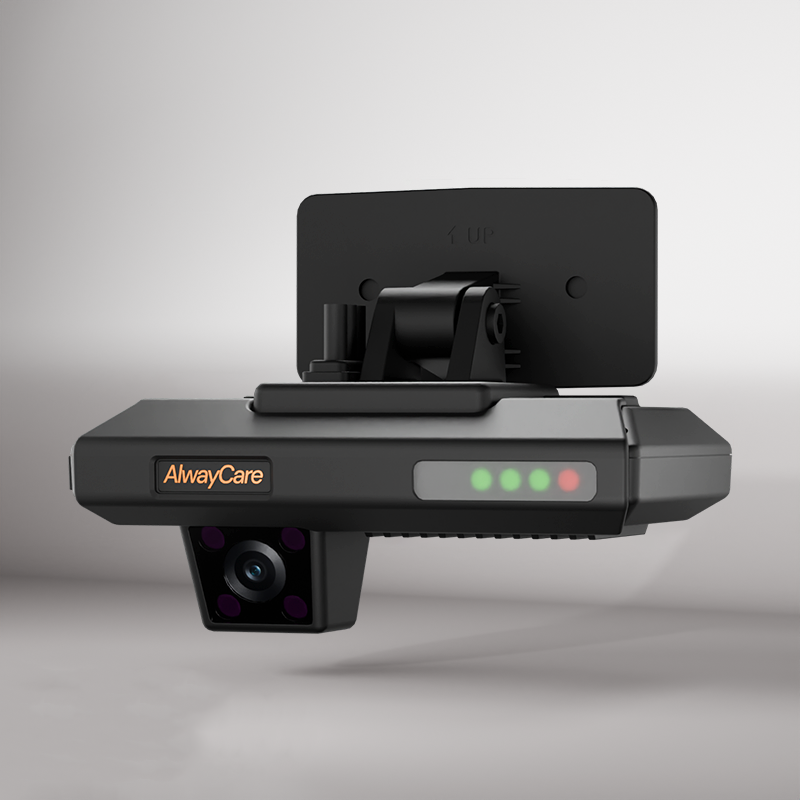
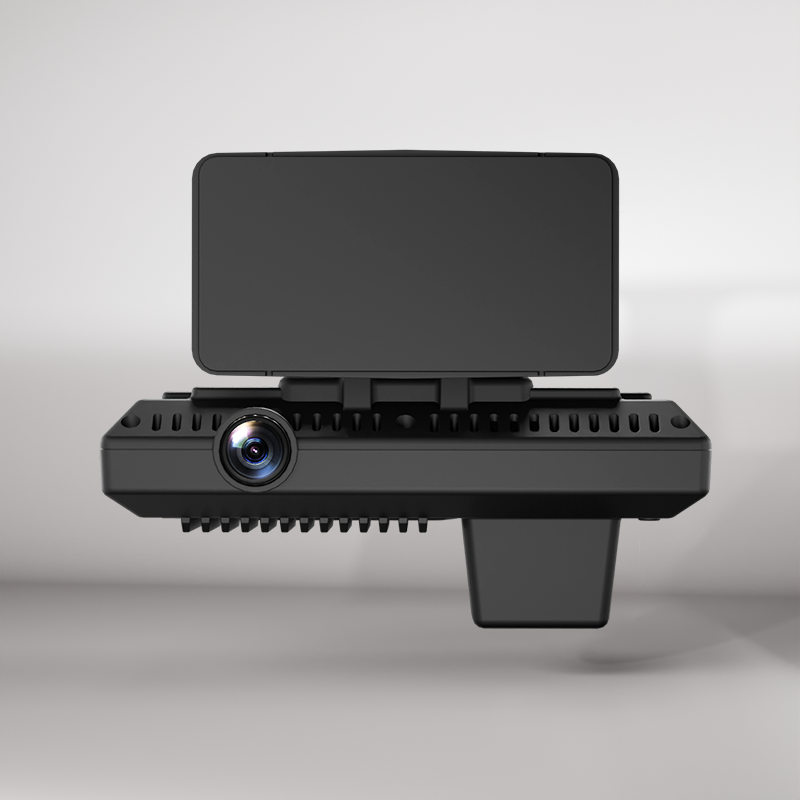
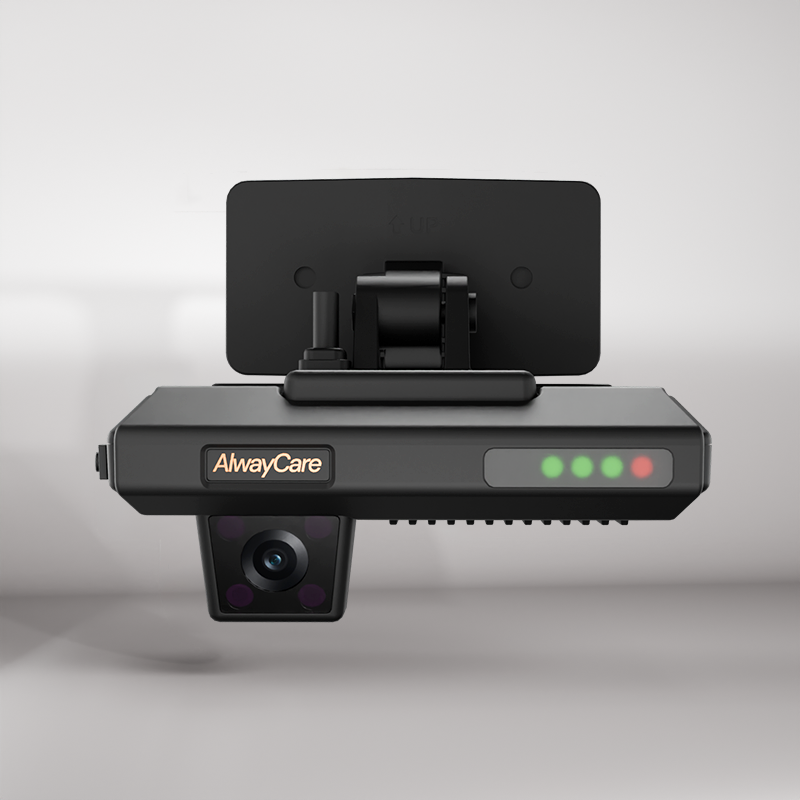
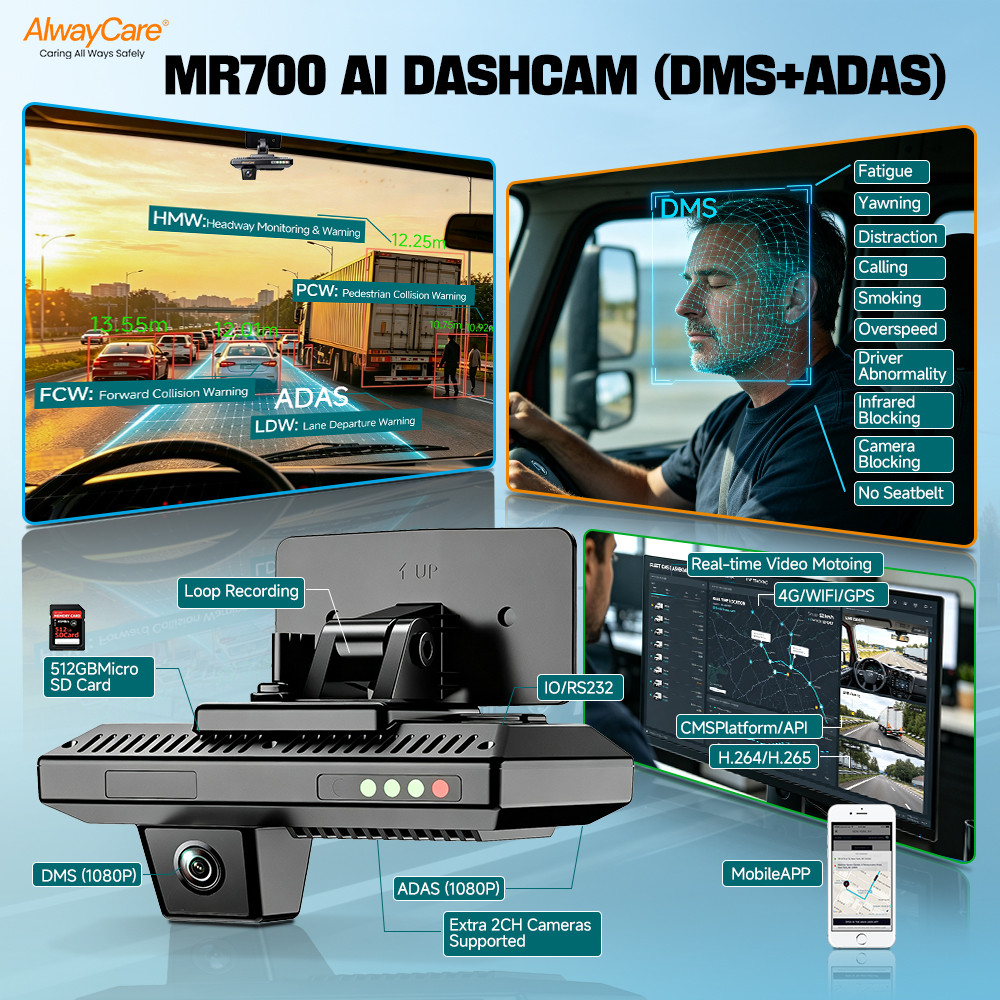
To make this concrete, here is how a single AI dashcam family covers all four channel decisions — so you can see the same architecture scaling rather than four separate products. This is the MR700 AI Dashcam series, which we manufacture, so treat the specifications as factual and the recommendations as our view.
MR700-SV — 2 channels, road + driver
- Road-facing 1080P with ADAS, in-cab 1080P driver monitoring
- 1× IO signal output for buzzer or external alarm sync
- The configuration for cars, vans and taxis where front and driver angles cover your claims
MR700-PV — 2 channels with dual RS232
- Same 1080P road + 1080P cabin architecture as the SV
- Dual RS232 for integration with telematics gateways, existing GPS trackers and third-party MDVRs
- Aimed at telematics providers and fleets that already run a platform and want events inside it — not a second dashboard
MR700-V3 — 3 channels with CVBS monitor output
- ADAS + DSM + one external camera (external channel 720P)
- 1× CVBS output for an in-cab driver display — relevant for reversing and nearside manoeuvring
- Suits box trucks, delivery trucks and shuttle buses where one external angle closes the main gap
MR700-V4 — 4 channels, two external cameras
- ADAS + DSM + two external cameras (external channels 720P)
- Both rear and side coverage — the configuration for rigid trucks, trailers, buses, hazmat and mining
- Compatible with IP68 external cameras including interior dome, metal rear and side blind-spot units
Shared across all four: H.264/H.265 encoding, GPS/BDS/GLONASS positioning, 4G LTE Cat 4 with regional module options, 2.4 GHz Wi-Fi, Micro SD storage up to 512 GB (Class 10 / U3 recommended), 6-axis G-sensor for harsh driving and rollover detection, FCW/LDW/HMW/PCW warnings, SOS alarm, and a metal-alloy casing rated for −20°C to +70°C continuous operation on 12/24V.
Two things worth noting from that list, because they are the specs that decide whether the unit survives your fleet rather than your demo: the operating temperature range matters if vehicles park outside in extreme climates, and the external cameras are IP68, which matters for wash-down operations, mining dust and winter road salt.
Frequently asked questions
Is a 2-channel dash cam worth it for a fleet?
Yes, if the two channels are road-facing plus driver-facing — that combination covers forward incidents and driver behaviour, which are the two most common causes of fleet claims and the two categories most fleet programmes are built around. A 2-channel unit is also the cheapest way to achieve consistent coverage across an entire fleet, and consistency is worth more than per-vehicle depth. What is often not worth it is a 2-channel unit meaning front plus rear, unless rear-end disputes are a genuine problem for your operation.
What are the differences between a 2-channel and a 3-channel dashcam?
A 3-channel adds one external camera on top of the standard road-facing and driver-facing pair. Practically, that means it resolves one additional incident category — typically rear-end from behind, side-swipe on one flank, or reversing manoeuvres. In exchange you take on an extra cable run, an extra mount, roughly 25–35% more storage consumption, and more events for someone to review. Three channels earns its place on vehicles long enough to have a real flank blind spot: box trucks, delivery trucks and shuttles.
How many camera channels does a fleet dashcam need?
Match it to your claim history rather than a generic recommendation. Cars, vans and taxis: 2 channels (road + driver). Box trucks, delivery trucks and shuttles: 3 channels. Rigid trucks, tractor units, buses, hazmat and mining: 4 channels. Beyond four recording channels you are no longer buying a dashcam, you are buying a mobile DVR — a different architecture with different port counts, storage and economics. Look at your last two years of incidents and pick the count that covers your top two or three categories.
Will more channels lower my insurance premium?
Channel count is not what insurers price on — an actively managed programme is. Published figures put premium reductions at 5–20% for fleets that package monitoring evidence properly, with basic camera programmes attracting less. A 2-channel system whose data feeds documented driver coaching will generally do more for your premium than a 4-channel system whose footage nobody reviews. Ask your broker what evidence they require before you decide how many cameras to buy; the answer should shape the specification.
Do external cameras need their own power supply?
On multi-channel commercial units they often do, rather than drawing power from the main unit. This is normal automotive design and not a defect, but it changes the installation: separate feeds mean different fuse selection and harness work, which is why install quotes sometimes come back higher than expected. Confirm the power architecture for external channels in writing before installation is priced.
Can I add channels to a dashcam later?
Only if the unit has spare video inputs. The number of physical camera ports is a hardware limit — software cannot create channels that do not exist. If there is any realistic chance you will want a third or fourth angle during the asset's life, buy the port count at purchase. The incremental cost then is well below the cost of an early hardware replacement later.
What SD card capacity do I need for multi-channel recording?
Use the bitrate formula: gigabytes per hour per channel equals bitrate in Mbps multiplied by 0.45. At roughly 3 Mbps per channel with H.265, a 4-channel system consumes about 5.4 GB per hour, giving around 95 hours on a 512 GB card — a little under four days of continuous recording. The same system on H.264 at 6 Mbps per channel consumes about twice that. Choose the card so your retention window comfortably exceeds how long your claims typically take to surface, and always use Class 10 / U3 media.
Still deciding between a multi-channel dashcam and a mobile DVR? The channel count is where the two categories meet, and choosing the wrong architecture is expensive. Our comparison of MDVR and dashcam systems covers where the line falls, and if you are also weighing driver monitoring against road-facing warning systems, DMS vs ADAS vs AI dashcam explains which function does what.