Seven Fleet Safety Blind Spots and How to Fix Them
Fleet Safety Checklist
A fleet safety blind spot is a risk that the normal process does not show or control. It may be hidden in schedules, vehicle setup, data, coaching or the way teams report problems.
The short answer
Check seven areas: job pressure, driver feedback, small repeated events, coaching delay, camera coverage, disconnected data and actions that never close. Assign one owner and one review date to each fix.

1. Job pressure is missing from the review
A driver event may begin with a route, loading or schedule problem. Review the work design as well as the driving action. Ask whether the task can be done safely in the time allowed.
2. Drivers have no safe way to raise concerns
Silence does not mean agreement. Give drivers a simple way to report routes, vehicles, alerts or targets that create risk. Respond so they know the report was read.
3. Small repeated events are ignored
One low-level event may mean little. A repeated pattern at the same place or time may show a system problem. Group events before choosing a response.
4. Coaching arrives too late
A delayed review is harder to remember and act on. Use a short clip or event record, discuss one action and record the agreed follow-up.
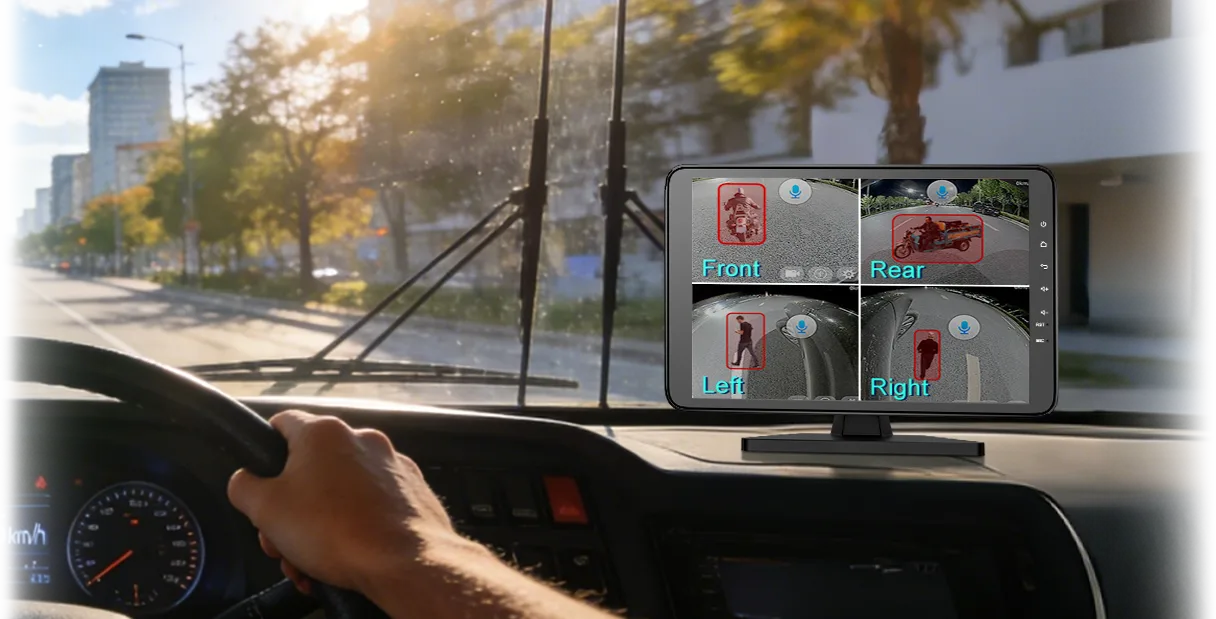
5. Camera or sensor coverage is assumed
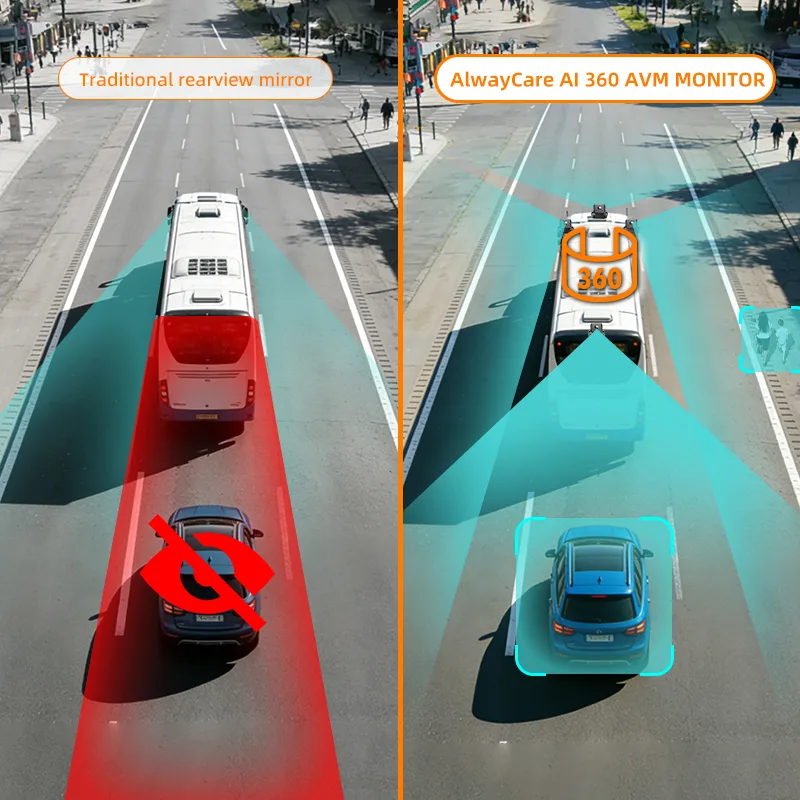
A product specification is not a vehicle survey. Test the actual blind areas, mounting height, warning zone, lighting and view after installation.
6. Safety data sits in separate systems
A camera event, maintenance fault and route issue may describe the same risk. Create a simple review that connects the records needed for one safety goal.
7. Data is collected but actions never close
Every review should end with an owner, due date and check. Remove alerts that add noise, fix repeated causes and confirm whether the chosen action worked.
How can AlwayCare support a review?
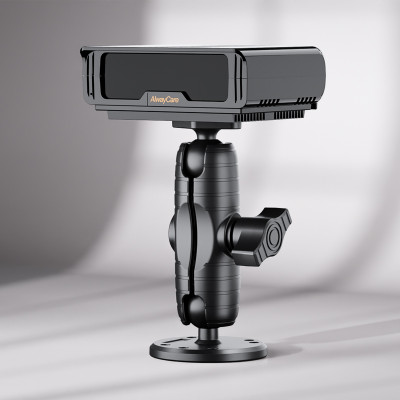
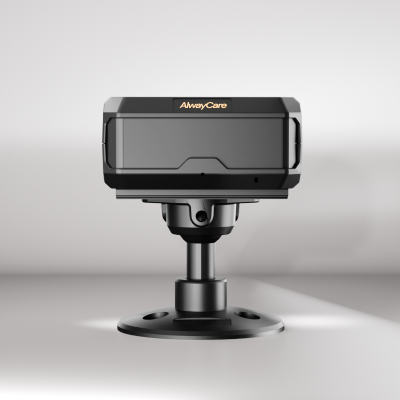
AlwayCare offers cameras, DMS, ADAS, around-view and proximity products. Use them to address a defined vehicle or driver risk, not as a replacement for a complete safety system.
For vehicle visibility, compare a blind spot camera, M360-3 around-view monitor or proximity warning system against the exact task.
Common questions
What is the first blind spot to check?
Start with the highest-risk task and ask whether schedules, vehicles, people and data all support safe work.
Does more data always improve safety?
No. Data needs a clear purpose, good quality, an owner and a closed action.
How often should a fleet review blind spots?
Review after changes and incidents, and at a regular interval that fits the fleet's risk.
Key point to remember
Choose the control that matches the real risk, test it on the target vehicles and keep people responsible for the final decision.
Contact AlwayCare to discuss the vehicle, route and warning or visibility needs.
Information checked
This guide was checked against U.S. Department of Energy telematics guidance, Australian Safe System principles and current fleet-coaching search results.