Mining Vehicle Safety Technology: A Practical Guide
Mining Vehicle Safety Guide
Mining vehicle safety needs several layers working together. A site can use traffic rules, worker separation, cameras, radar, driver alerts and event review. No single camera or sensor can remove every risk.
The short answer
Start with the site's hazards and traffic plan. Then choose technology for a clear job, such as warning about a person near a vehicle or giving the driver a wider view. Test it in dust, vibration, slopes and real traffic before a full rollout.
Why are mining vehicle blind areas difficult?
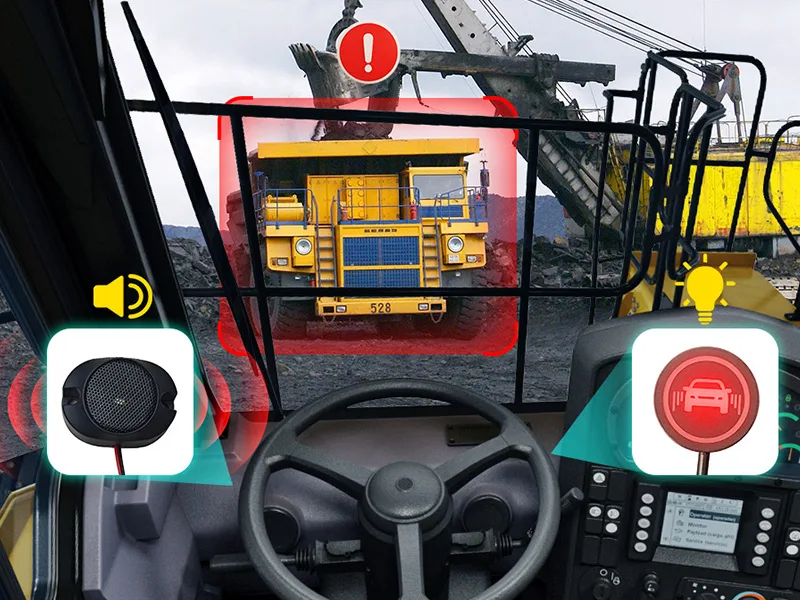
Mining machines are large and often have high cabs, long bodies and wide turning paths. The driver may not see a worker or small vehicle close to the machine.
Dust, darkness, rain, vibration and uneven ground can also affect a camera or sensor. The right system depends on the machine and site.
Which safety layer does what?
Traffic plan
Sets routes, speed rules, parking areas, crossings and one-way movement.
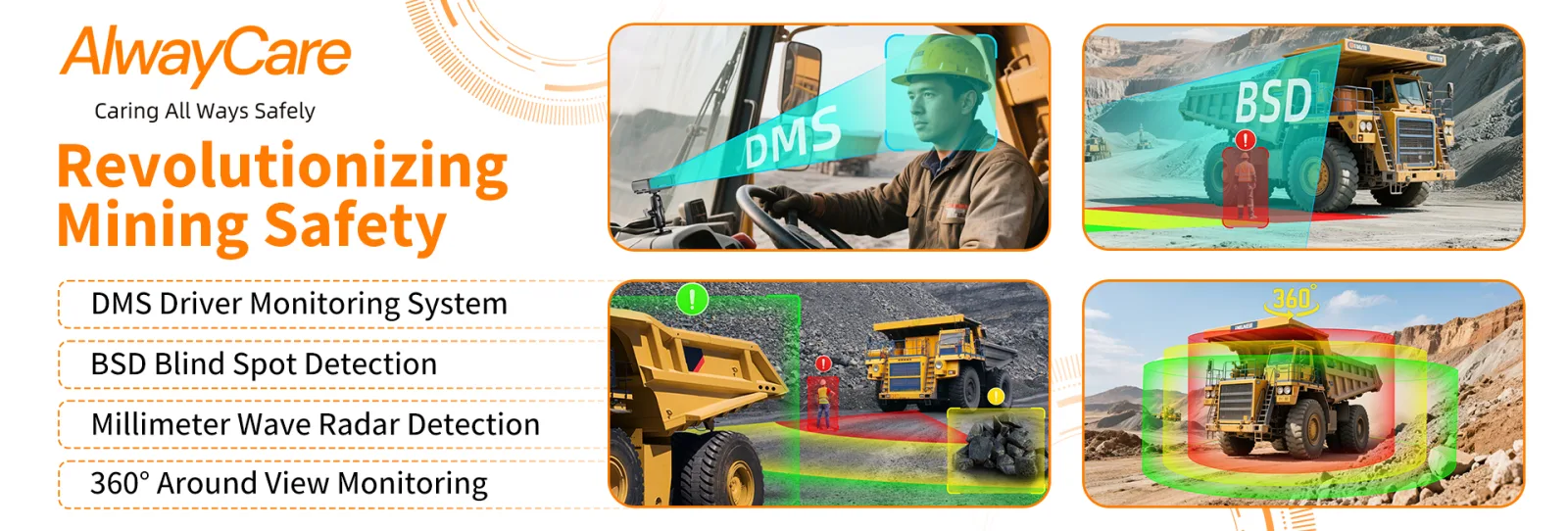
360° cameras
Give the driver a joined view around the vehicle for close movement.
Blind spot warning
Looks for set people or vehicle targets in a chosen side area.
Nearby-object warning
Checks a set zone and warns when a target enters it.
Driver monitoring
Looks for set signs of fatigue or distraction inside the cab.
Event review
Helps the site find repeat hazards and improve routes or work rules.
How should a mine test a warning system?
-
Map the danger area
Measure the blind zones, turning path, stopping space and worker routes.
-
Set the warning zones
Choose zones that give useful time without creating constant alarms.
-
Test real targets
Use workers, light vehicles, machines and fixed objects under safe controls.
-
Test hard conditions
Include dust, rain, darkness, slopes, vibration and radio interference.
-
Review driver response
Check whether drivers understand the warning and take the planned action.
What can go wrong after installation?
- Blocked view: mud or dust may cover a camera or sensor.
- False alerts: a poor zone may warn about normal site objects.
- Missed alerts: the target may sit outside the tested field or range.
- Alarm fatigue: drivers may stop trusting repeated low-value warnings.
- System changes: a moved camera, new attachment or software update may need a new test.
- Signal problems: some systems can affect or be affected by other equipment.
Build daily checks, cleaning and fault reporting into the vehicle's normal inspection.
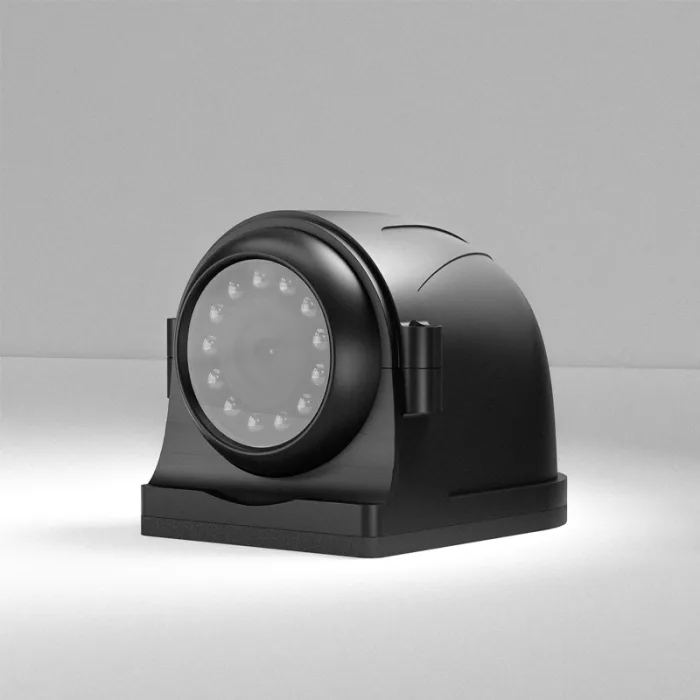
Where can AlwayCare products fit?
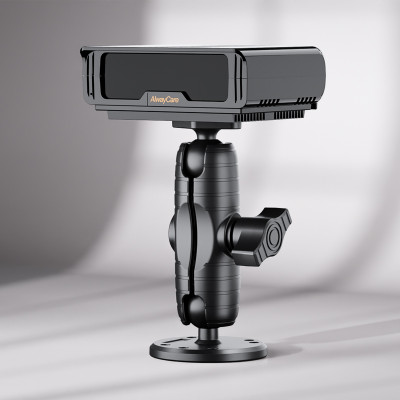
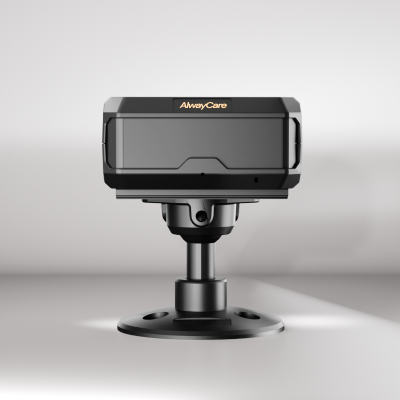
AlwayCare offers driver monitoring, blind spot cameras, 360° around-view systems and radar products. These can support defined warning and visibility tasks.
Do not assume that a standard road product is approved for every mine. Check voltage, heat, cold, sealing, vibration, special mine rules and local approvals before use.
Common questions
Can AI prevent every mining vehicle incident?
No. Technology can warn or show information, but people and site controls remain essential.
Is one sensor type best for every mine?
No. Dust, targets, range and machine layout change the result.
Does MSHA require every mobile machine to use the same system?
No. Requirements depend on the mine, machine and rule. Check the current regulator advice.
Key point to remember
Use technology as part of a tested site system. Map the risk, choose each tool for one clear job, train users and keep checking performance.
Contact AlwayCare to discuss vehicle visibility and warning options.
Information checked
This guide uses public MSHA and NIOSH material on mine warning systems, vehicle sight lines and machine safety. It removes the unsupported 70% reduction claim.