Four Practical Challenges for Australian Fleet Operators
Australian Fleet Planning
Australian fleets face long routes, harsh weather, changing technology and pressure on drivers. These are not one-year trends. They are daily planning issues that need clear owners, tested controls and honest data.
The short answer
Focus on four areas: fatigue and remote work, weather and road change, data and communication gaps, and driver trust. Define the risk first. Then choose the process or technology that can support it.

1. Fatigue and remote work
Long trips, night work and limited safe stops can add to fatigue risk. Mobile coverage may also be weak.
Plan the work so drivers can meet current hours and rest duties and still be fit to drive. A DMS alert is not a substitute for sleep or legal records.
2. Weather and route change
Heat, floods, fire, dust, fog and storms can change a route quickly. Give dispatchers and drivers a clear source for official warnings and a safe way to stop or reroute.
Do not promise that software will always find a safe route. A person must check the load, road rules and local advice.
- Use current official warnings
- Keep a communication backup
- Name safe stop and rest points
- Record who approves route changes
3. Data and system gaps
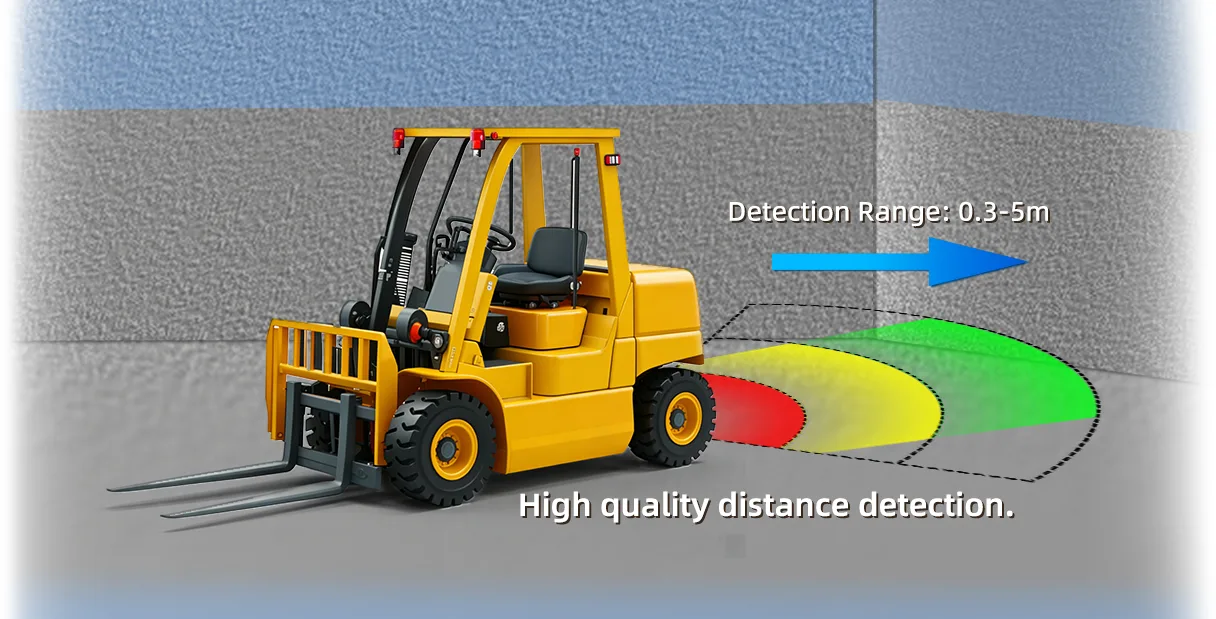
A tracker, camera, work diary and maintenance tool may each hold part of the story. Decide which facts need to be linked for one task.
Avoid buying a large platform before checking data access, exports, coverage and user roles. Start with a small pilot.
4. Driver trust and retention
Drivers need to know what is recorded, why it is used and how they can question an event. Uneven or hidden rules damage trust.
Use data to solve work issues and recognise good choices. Review road and schedule causes, not only driver behaviour.
Where can AlwayCare fit?
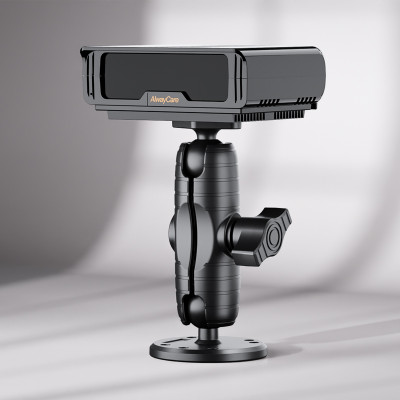
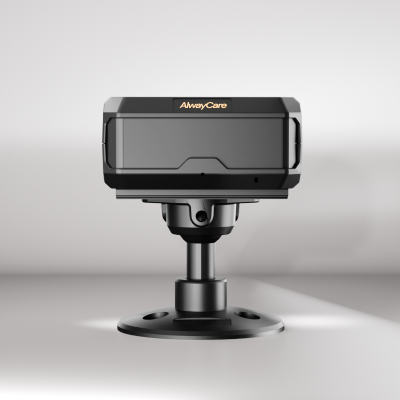
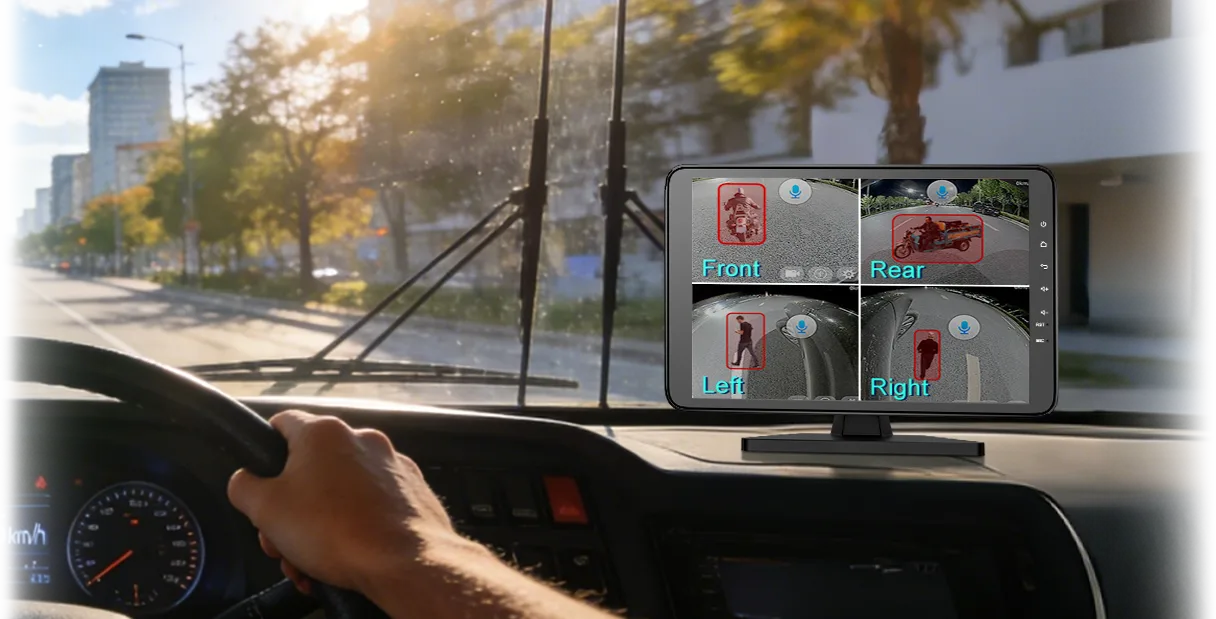
AlwayCare provides cameras, DMS, ADAS and vehicle warning products. These tools can support selected driver, visibility and event-review needs.
Start with the fleet's highest-risk task and ask for a vehicle-fit review. Keep legal, route and people controls in the wider plan.
Common questions
Can one platform solve all four challenges?
No. Technology can support parts of the plan, but people, routes, rules and vehicles also matter.
Will a DMS keep remote drivers safe?
It may warn about selected signs, but it cannot ensure rest, fitness, coverage or emergency response.
What should a fleet trial first?
Choose one clear risk, a small vehicle group and a measurable review process.
Key point to remember
Start with the real risk and duty. Choose a tool for one clear job, test it on the target vehicle and keep people responsible for the final decision.
Contact AlwayCare to discuss vehicle fit and warning, camera or recording needs.
Information checked
This article uses NHVR fatigue guidance, Australia's Safe System principles and current fleet-technology guidance. It avoids year-based predictions that become stale.