Extreme Weather Fleet Safety: A Practical Driving Guide
Weather Safety Guide
Extreme weather changes grip, visibility, stopping distance and driver workload. A fleet needs clear rules for slowing, stopping, delaying or changing a route. Technology can add information, but it cannot make an unsafe road safe.
The short answer
Check official forecasts and warnings before dispatch. Prepare the vehicle and route. Set stop-work triggers for floodwater, near-zero visibility, unsafe heat or road closure. During the trip, reduce speed, add space and stop in a safe place when conditions exceed the plan.

What should happen before the vehicle leaves?
Check weather alerts, road closures, tyres, lights, wipers, cooling and emergency equipment. Give the driver a contact and authority to delay the trip. Plan safe places to stop before conditions become severe.
What should drivers do in rain, flood or fog?
Slow down before visibility or grip is lost. Increase following space and use the correct lights. Never enter floodwater when depth, road condition or flow is unknown. In near-zero visibility, leave the road and stop in a safe place.
- Check official weather and road alerts
- Inspect tyres, lights, wipers and cooling
- Set clear delay and stop triggers
- Plan safe stopping places

How should fleets plan for extreme heat?
Check tyres, cooling, fluids and air conditioning. Plan water, rest and communication for the driver. Heat can affect the driver, road surface and vehicle, so use condition-based checks instead of one fixed temperature rule.
Can cameras or AI detect every weather hazard?
No. A camera may show rain, glare or a blocked road, but it may also be blocked by water, dirt or fog. An alert should support a trained person who checks official information and the road.
Where can AlwayCare fit?
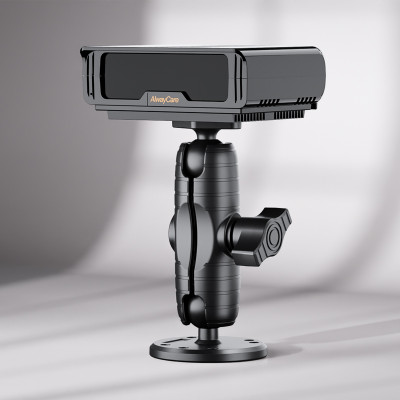
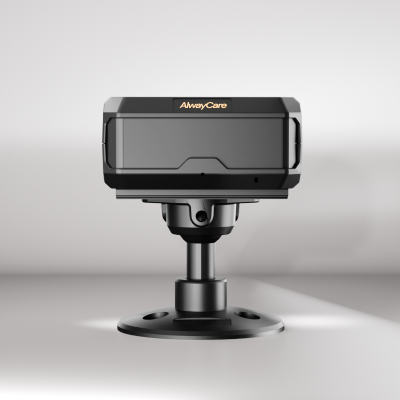
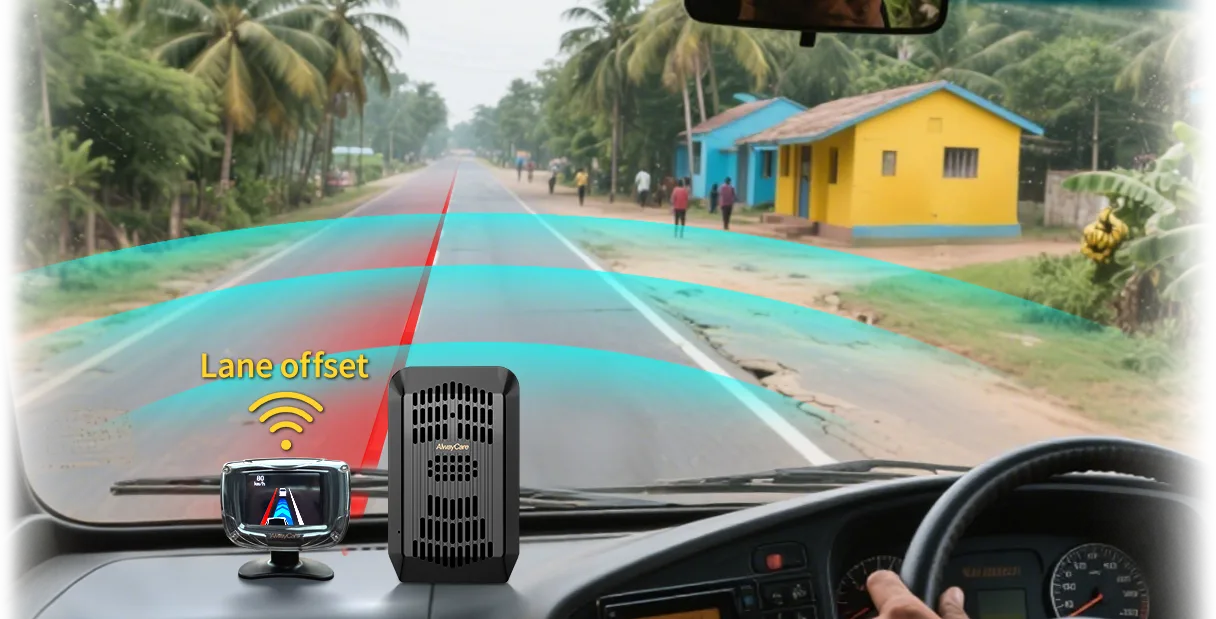
AlwayCare cameras, recorders and driver-assistance products can add video and defined warnings. Confirm temperature, enclosure, lens care and warning limits for the real climate before use.
Common questions
Can technology tell a driver it is safe to cross floodwater?
No. If depth or road condition is unknown, do not enter.
Should drivers use high beams in fog?
No. Reflected light can make the view worse.
Can a fleet require a trip in any weather?
Work must follow local safety law and the company risk plan.
Key point to remember
Give drivers a clear plan and the authority to stop when weather moves outside safe limits.
Contact AlwayCare to discuss the vehicle, work area and warning or recording needs.
Information checked
This guide was checked against current U.S. National Weather Service guidance for fog, heavy rain and flood risk.