Florida Fleet Safety: Weather, Fatigue and Vehicle Checks
Florida Fleet Guide
Florida fleet safety depends on more than one device. Heat, heavy rain, fog, long routes, mixed traffic and commercial vehicle rules all affect the job. A useful plan joins route checks, driver readiness, maintenance and tested alerts.
The short answer
Build a route risk profile for weather, truck restrictions, stopping points and emergency contacts. Check the vehicle before dispatch. Set clear delay and stop rules. Use DMS, ADAS or video only for risks that have a defined response.

Which Florida conditions should fleets plan for?
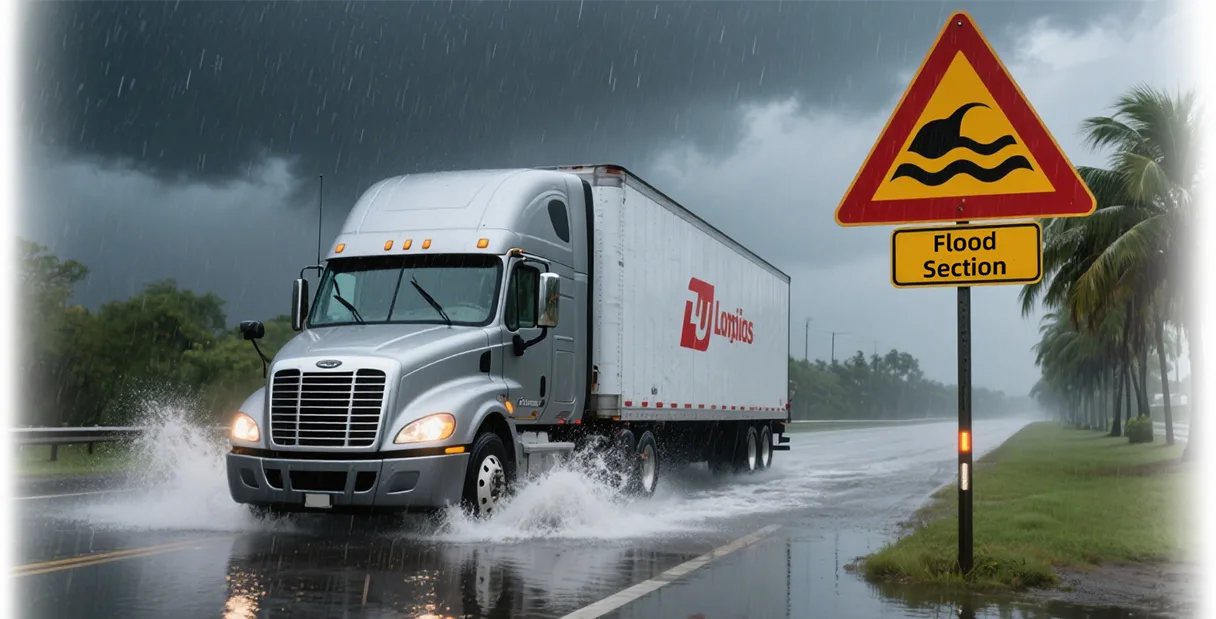
Heavy rain, floodwater, heat, glare, fog and hurricane disruption can change a route quickly. Check official weather and road information. Plan safe places to stop before the driver enters a high-risk section.
What commercial vehicle checks matter?
Confirm route restrictions, weight, credentials, inspections and vehicle condition. Florida uses truck lane restrictions on selected interstate sections. The current FDOT map and signs should guide the route.
- Check weather and road information
- Confirm truck route and lane rules
- Inspect vehicle and emergency equipment
- Set fatigue, delay and stop triggers
How should fatigue and distraction be managed?
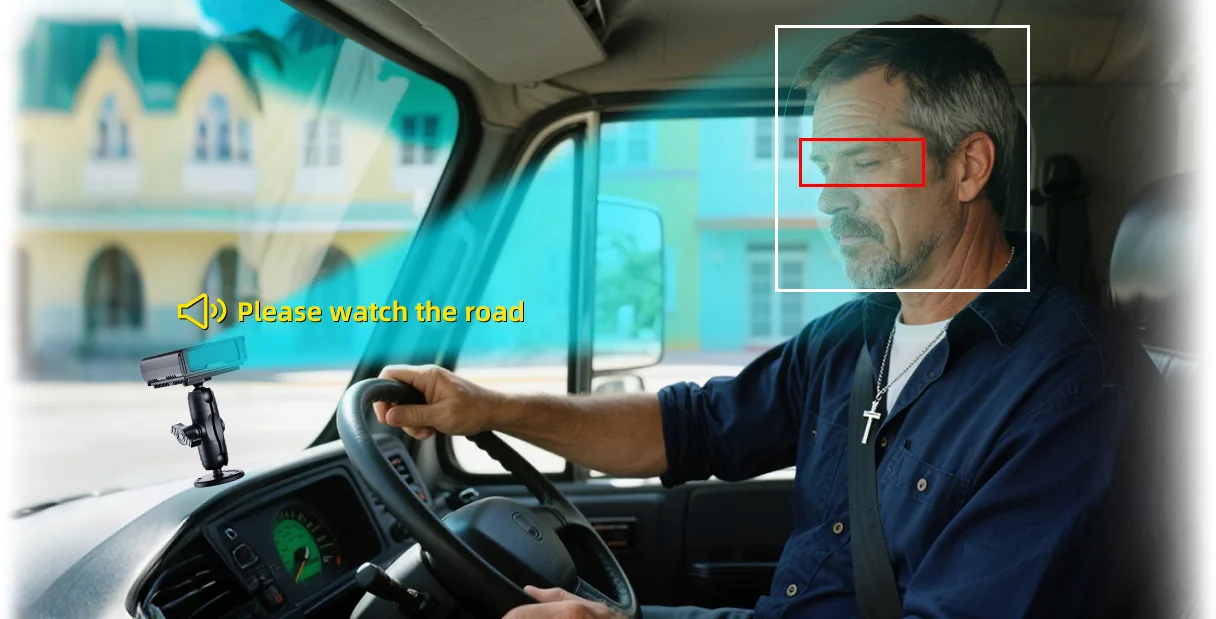
Use realistic schedules, rest, phone rules and driver check-ins. A DMS alert may add information, but it cannot show all causes of fatigue or make a person fit to drive.
Where can cameras and warnings help?
Road video can add event context. ADAS may warn about a forward or lane risk. DMS may flag selected driver signs. Test each function in Florida rain, glare, night conditions and the target cab.
Where can AlwayCare fit?
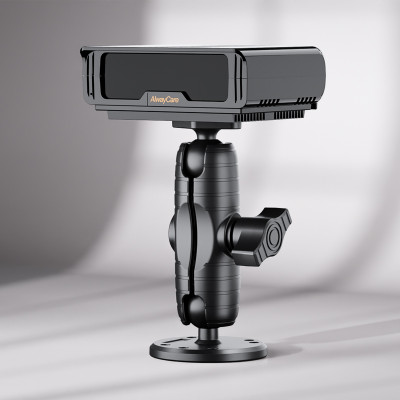
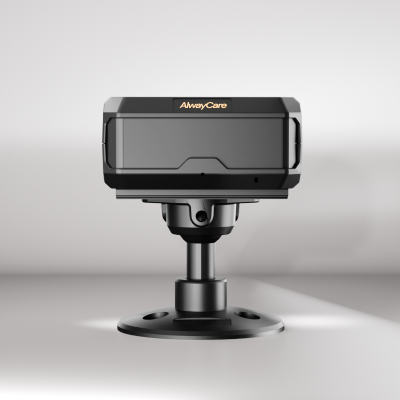
The MR830 DMS is one driver-alert option. AlwayCare also offers road cameras and fleet recorders. Confirm U.S. fit, data plan and installation needs.
Common questions
Can a DMS replace hours-of-service rules?
No. Legal hours, fitness to drive and safe scheduling still apply.
Are truck lane restrictions the same on every Florida road?
No. Check current signs and the FDOT restriction map.
Can a camera see through heavy rain or fog?
Image quality can fall. The driver must respond to actual visibility.
Key point to remember
Plan the route, driver, vehicle and weather together before choosing a technology layer.
Contact AlwayCare to discuss the vehicle, work area and warning or recording needs.
Information checked
This guide was checked against current FDOT truck-lane information and U.S. National Weather Service fog and heavy-rain guidance.