Summer Fleet Safety in Australia: Heat, Fatigue and Vehicle Checks
Australian Summer Safety
Hot weather can affect people, vehicles and roads. Treat heat as a work risk, not just a comfort issue. Safe steps depend on the heat, work, route, cab cooling and each driver.
The short answer
Plan heat controls before the shift. Check weather and fire conditions, provide cool drinking water, confirm cabin cooling, adjust work and breaks where needed, and make it easy for drivers to report symptoms or vehicle problems.

How can heat affect a driver?
Heat can add to tiredness, discomfort and loss of concentration. Dehydration and heat illness can become serious. A driver may also have poor sleep after a hot night.
Warning signs can include:
- A headache
- Feeling dizzy or weak
- Feeling sick
- Acting confused
Follow the work plan and seek urgent help for serious signs.
What should a fleet plan before departure?
The extreme weather guide covers stop-work triggers in more detail.
| Check | What to confirm |
|---|---|
| Forecast and fire warnings | The conditions along the route on the day |
| Route and communications | Coverage and a way to reach the driver |
| Places to stop | Where the driver can stop safely and cool down |
| Air conditioning | It works before the vehicle leaves |
| Drinking water | Clean, cool water is on board |
Remote work needs a contact plan and a response for breakdowns. Do not rely on a camera or app as the only control.
- Schedule harder work for cooler periods where practical
- Plan suitable rest and cooling opportunities
- Check tyres, cooling system, battery and fluids
- Give drivers a clear stop-work and reporting process
How should breaks and hydration be managed?
Safe Work Australia says heat risk must be checked and controlled. The right water and break plan depends on the work, heat, clothes and worker.
Encourage regular drinking rather than waiting for severe thirst. Drivers with health concerns should follow medical advice. Avoid giving one fixed rule as if it suits everyone.
Can driver monitoring help?
Treat an alert as a prompt to check the driver and conditions.
| A DMS may warn about | A DMS cannot |
|---|---|
| Selected signs linked to drowsiness | Measure hydration |
| Selected signs linked to distraction | Diagnose heat illness |
Review false alerts and make sure the driver knows the safe response.
What can AlwayCare provide?
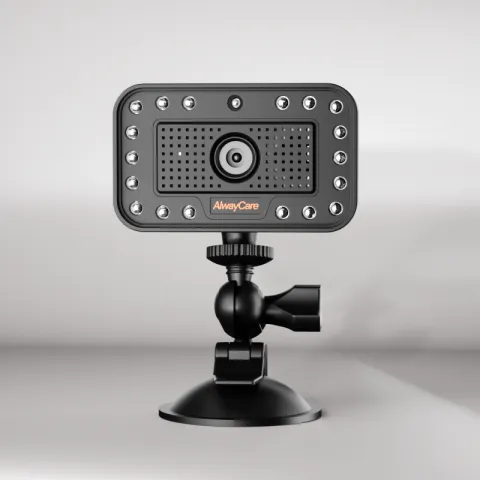
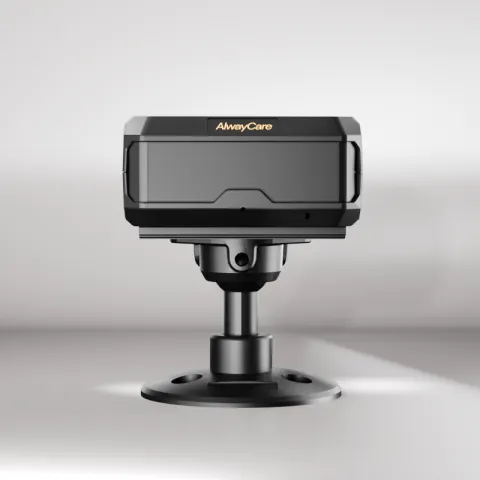
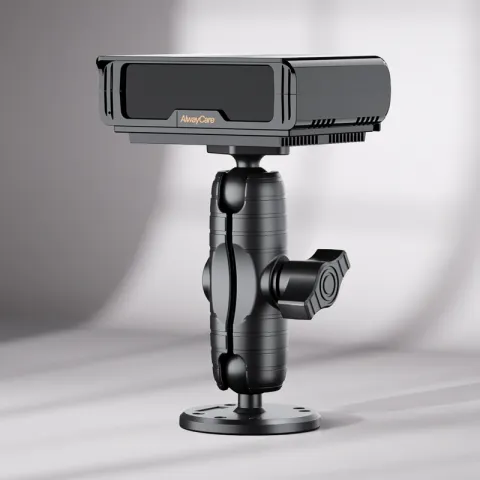
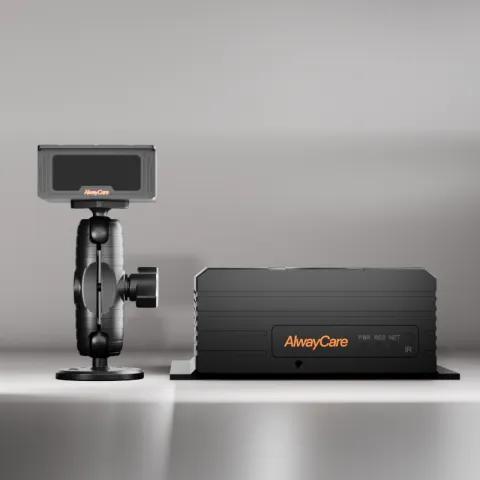
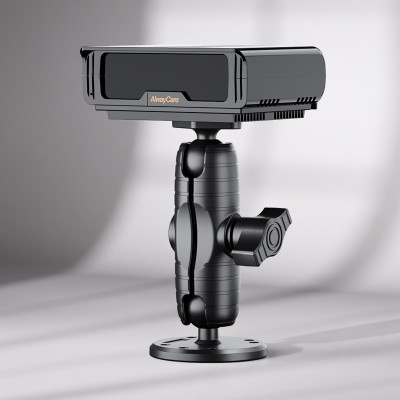
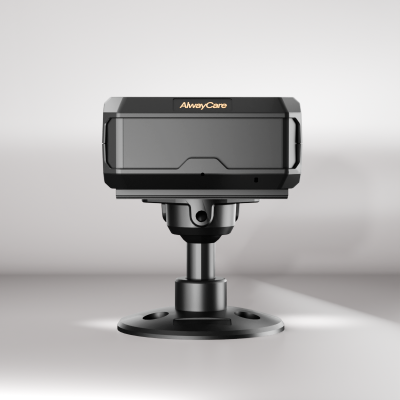
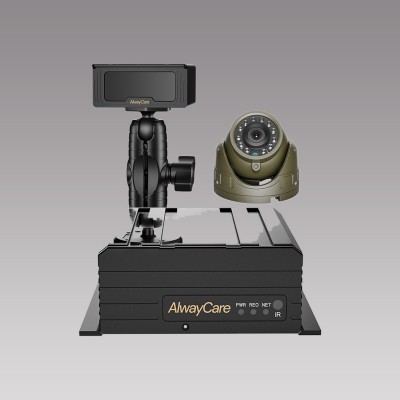
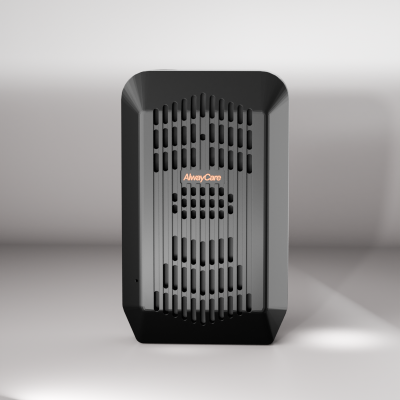
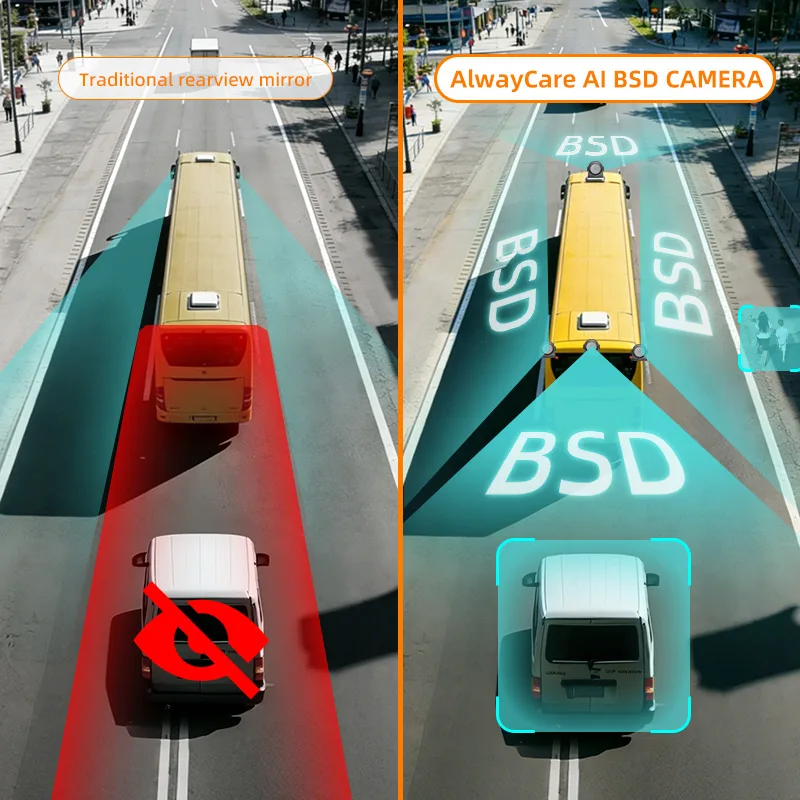
AlwayCare offers DMS and connected camera products for selected fatigue and distraction warnings. The DMS product range includes standalone and multi-camera options. The driver monitoring guide explains what an alert can and cannot show.
Check the target vehicle, camera position, eyewear, lighting and alert settings in a trial. Heat safety still needs work planning, vehicle maintenance and trained people.
| Model | Form | Listed functions |
|---|---|---|
| MR688B | Standalone DMS, 12/24V | Fatigue, yawning, distraction and abnormal-driver alerts |
| MR810 | Standalone DMS, 720p recording | Alerts for fatigue, distraction, smoking and phone use |
| MR830 | All-in-one DMS, 1080p recording | Driver alerts with optional ADAS, BSD, 4G and fleet-platform functions |
| MR910-D | DMS with multi-channel mobile DVR | DMS alerts, recording, GPS/Beidou, 4G or Wi-Fi |
Functions vary by model and firmware. Confirm the exact alerts on the product page or in your quotation.
Common questions
Can air conditioning remove all heat risk?
No. It can reduce cabin heat, but drivers may still face dehydration, poor sleep, hot outdoor work or a cooling-system failure.
Does a DMS detect heat illness?
No. A DMS may detect selected driver behaviours, not diagnose a medical condition.
Should a driver continue after feeling dizzy or confused?
The driver should follow the fleet's emergency and stop-work procedure and seek suitable help.
What is the first step in managing heat risk?
Treat heat as a work risk. Check the forecast and fire conditions, provide cool drinking water, confirm cabin cooling and agree a stop-work and reporting process before the shift.
Key point to remember
Choose the control that matches the real risk, test it on the target vehicles and keep people responsible for the final decision.
Contact AlwayCare to discuss the vehicle, route and warning or visibility needs.
Information checked
This guide was checked against Safe Work Australia's heat-risk guide and NHVR fatigue guidance. It is general safety information, not medical advice.
For example layouts, equipment packages and the full DMS range in one place, see the driver monitoring solution for fatigue and distraction alerts.