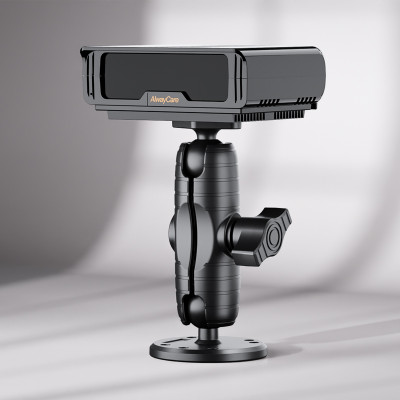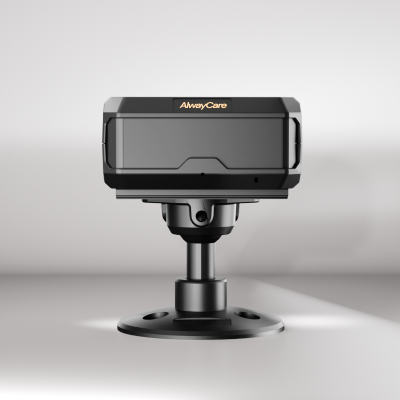


Camera systems recognize people without any tags but need line of sight. Radar works through dust, darkness, and rain but cannot tell a person from an object. UWB tag systems track with high accuracy around corners and through dust — if every pedestrian wears a tag. Most serious worksites layer two technologies instead of choosing one.
The three technologies in one paragraph each
AI camera detection watches live video and classifies what it sees — a person, a vehicle, an object. It detects anyone, including visitors and contractors who wear nothing. Its weakness is physics: it needs line of sight, and heavy dust, glare, or darkness degrade it.
Radar detection sends radio waves and reads reflections. Dust, fog, rain, and darkness barely affect it, which makes it the default for outdoor yards and harsh sites. Its weakness is understanding: radar sees "something moving" — distinguishing a person from a pallet or a wall takes additional logic.
UWB (Ultra-Wideband) tagging measures precise distance between tags worn by people and units mounted on vehicles. It works around corners, through racking and dust, with consistent accuracy. Its weakness is compliance: the system only protects people who wear their tags — every shift, every visitor, every contractor.
Side-by-side comparison
| Factor | AI Camera | Radar | UWB Tag |
|---|---|---|---|
| Detects untagged people | Yes | Yes, as objects | No — tag required |
| Person vs object distinction | Yes | Limited without added logic | N/A (tracks tags) |
| Line of sight needed | Yes | No | No — works around corners |
| Dust, fog, darkness | Degrades | Handles well | Handles well |
| Video evidence | Yes | No | No |
| Driver monitoring possible | Yes (same camera family) | No | No |
| Tag management burden | None | None | Real — batteries, compliance, visitors |
| Typical fit | Warehouses, mixed traffic | Outdoor yards, docks, harsh sites | Mining, cold storage, high-risk zones |
Ranges deserve a plain note: effective detection distance is hardware- and layout-specific. Treat any meter figure from any vendor — ours included — as a claim to verify in a site test, not a specification to buy on.
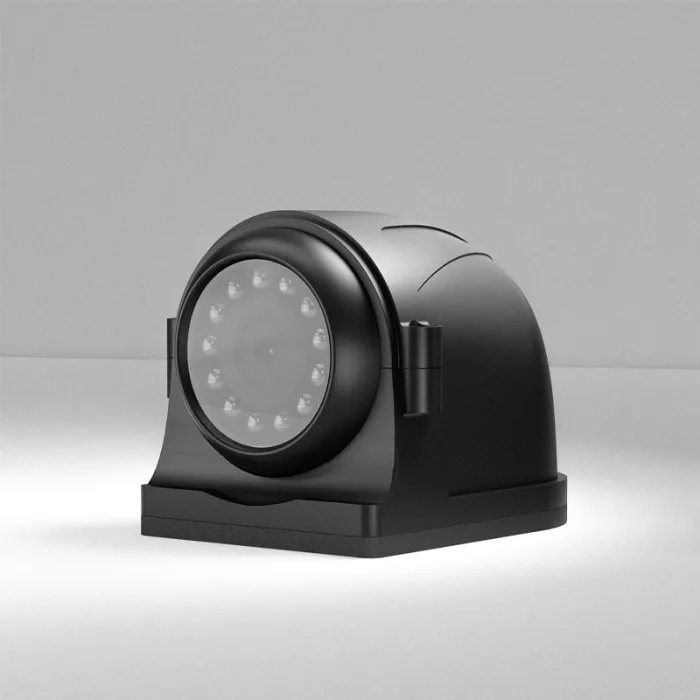
A rugged AI camera layer for open-area detection.
Choosing by environment, not by datasheet
| Your site looks like… | Start with |
|---|---|
| Indoor warehouse, mixed pedestrian and vehicle traffic, frequent visitors | AI camera |
| Outdoor yard, dock, or dusty worksite with low light | Radar |
| Mining, cold storage, or zones where a missed detection is severe | UWB, often layered with camera |
| Blind corners and racking everywhere | UWB for the corners, camera for open areas |
| Budget-first pilot on a small fleet | Radar or camera single layer, then expand |
Why layered systems are the normal answer
Each technology fails in a different place: cameras fail at line of sight, radar fails at understanding, UWB fails at tag compliance. Layering puts a second technology exactly where the first one is weak — the common pattern is UWB around corners and blind spots, cameras in open areas for recognition and evidence.
Safety researchers reached the same conclusion from the field side: NIOSH's surface-mining equipment studies recommend combining sensor-based proximity warnings with cameras, so the operator gets both the alert and an actual view of the blind area.
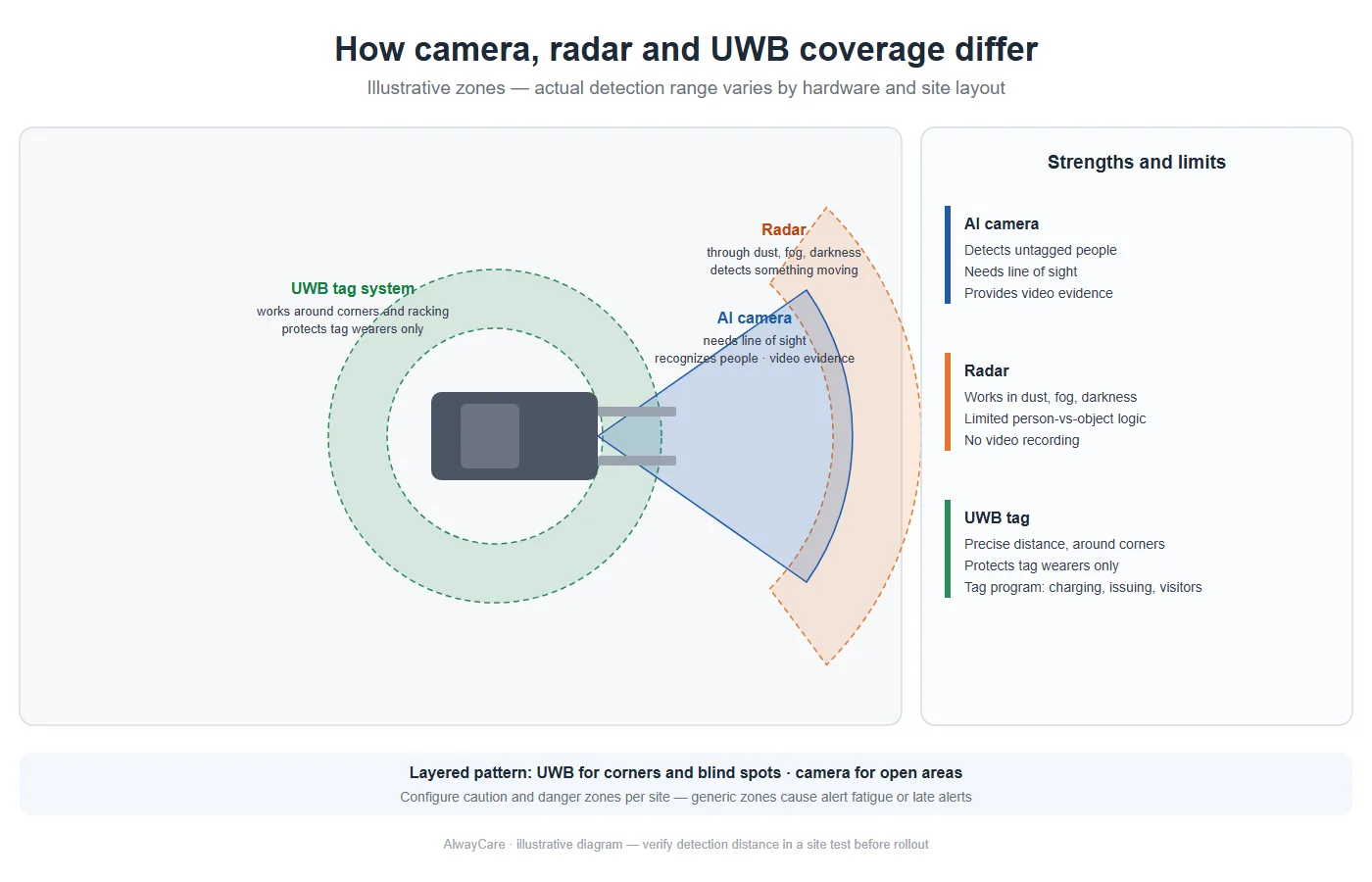
Illustrative zones — actual range varies by hardware and site layout.
Two deployment notes that decide success more than the technology choice:
- Configure zones per site. Generic factory alert zones either fire too early (alert fatigue) or too late (no margin). Map your aisle widths and traffic patterns, then set caution and danger zones accordingly.
- Plan the tag process for UWB. Charging, issuing, and visitor-tag procedures are part of the system. A tag program that only half-works is a protection gap, not a saving.
Honest limit: proximity warning is a layer, not a complete safety program. Site layout, speed limits, separation rules, and training still do most of the work; alerts only add margin on top.
Frequently asked questions
Which technology detects pedestrians without tags? AI camera detection — it recognizes people visually. Radar detects them as objects without distinguishing person from obstacle. UWB requires a worn tag and protects only tag wearers.
Is UWB more accurate than radar? For tag-to-vehicle distance, yes — UWB measures position directly and works around corners. Radar measures reflections and needs logic to interpret them. But UWB's accuracy means nothing for a visitor without a tag.
Do I need video evidence from a proximity system? If incident review, coaching, or dispute resolution matters to you, yes — that is a camera-layer benefit. Radar and UWB warn; they do not record the scene.
Can camera, radar and UWB be combined on one vehicle? Yes, and it is the standard pattern for high-risk sites: each layer covers the others' weak spot. Integration and alert logic should be designed per site rather than bought as a fixed bundle.
What causes false alerts, and how do we reduce them? Fixed structures, racking, and poor zone setup are the usual causes. Reduce them with site-mapped zone configuration and, for radar, added classification logic — then verify with a pilot before fleet-wide rollout.
Match the technology to your site
Send us your site layout, vehicle types, and pedestrian traffic — we will recommend a camera, radar, or UWB configuration, including where layering pays off.
- Browse our UWB Proximity Warning, Radar Detection and AI Camera lines.
- Applied views: Forklift Fleet Management and Mining Vehicle Safety Technology.