Forklift Fleet Management: Safety, Data and Warning Systems
Forklift Fleet Guide
Forklift fleet management joins operator competence, traffic design, daily checks, maintenance and useful records. Cameras or proximity warnings can add support, but they do not replace pedestrian separation and safe operation.
The short answer
Map forklift and pedestrian paths. Separate them with barriers or marked routes where possible. Train and authorise operators. Complete daily checks and defect control. Add warnings only for a defined blind corner, crossing or proximity risk.
What should a forklift fleet system manage?
The system should help control who operates each truck, whether checks are complete, which defects are open, where repeat events occur and when maintenance is due. It should not distract the operator.
Which controls come before warning technology?
Use trained operators, safe speed, clear aisles, pedestrian routes, barriers, mirrors, signs and a horn. OSHA guidance says forklift and pedestrian traffic should be separated where possible.
- Separate pedestrians and forklifts
- Train and authorise operators
- Complete checks and defect control
- Test warnings in real aisles
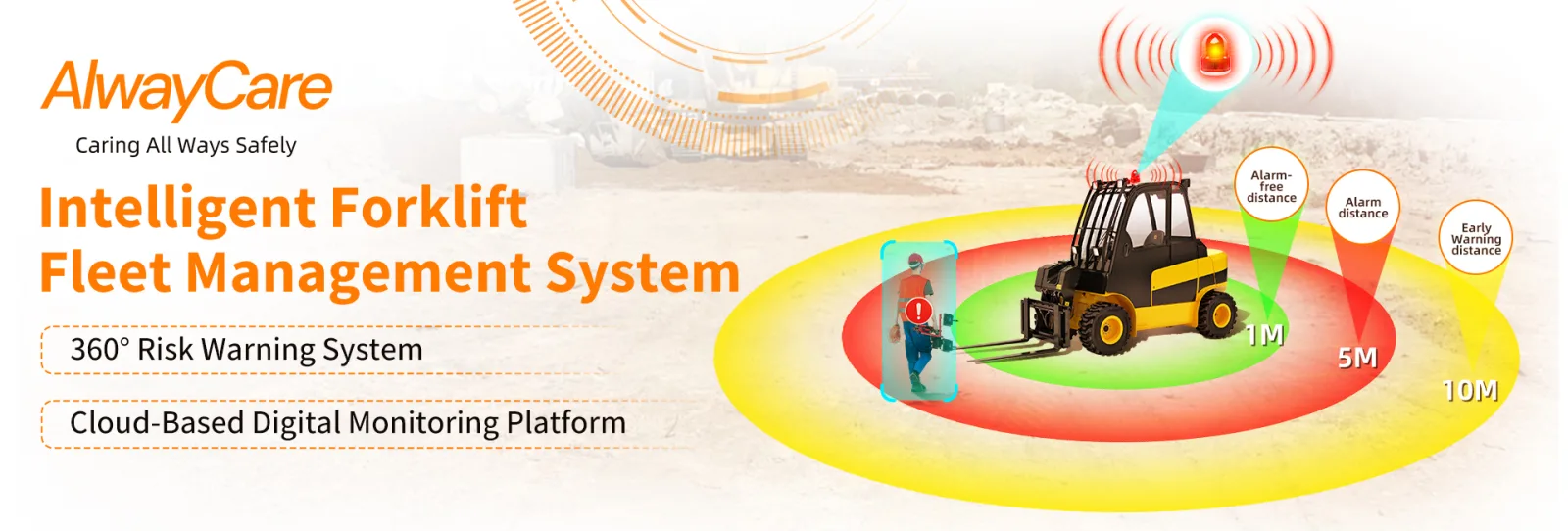
When can cameras or proximity alerts help?
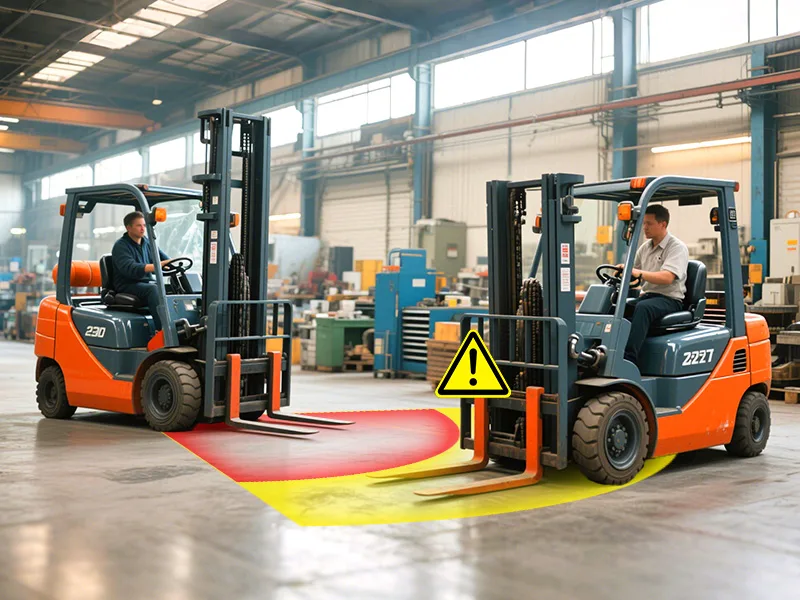
A camera may improve a view at a blind area. A tagged or sensor-based system may warn when a person or vehicle enters a zone. The site must set the zone and response.
How should the system be tested?
Test intersections, racks, metal structures, loads, doors and several trucks. Check missed and nuisance alerts. Include battery, tag and sensor failure checks and repeat testing after layout changes.
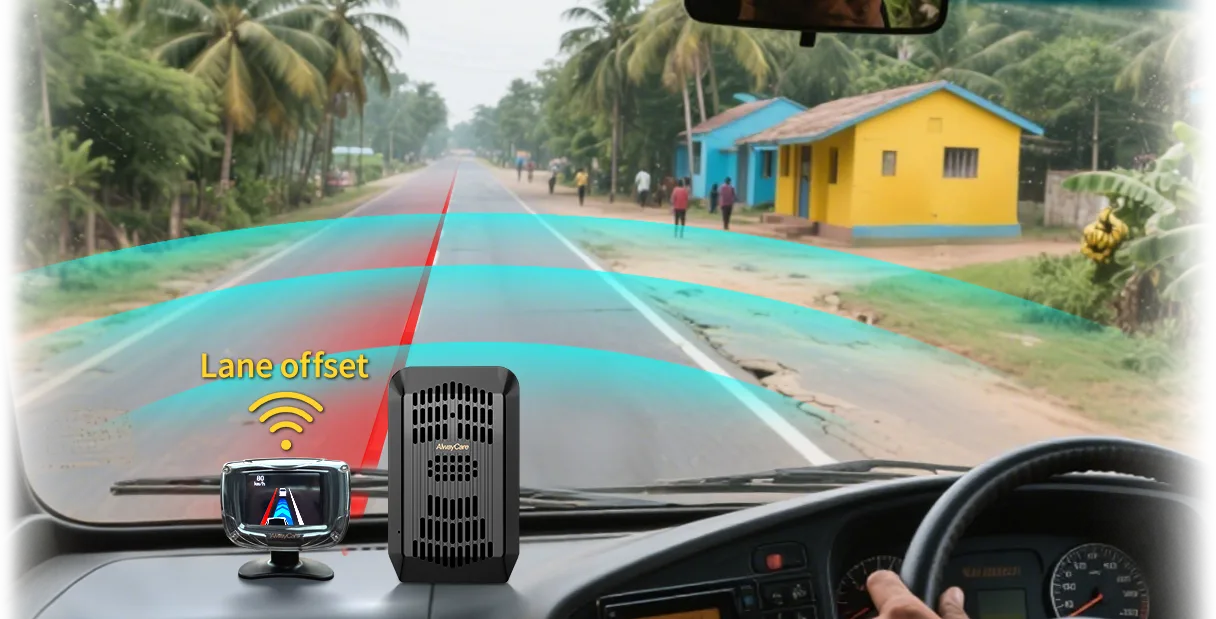
Where can AlwayCare fit?
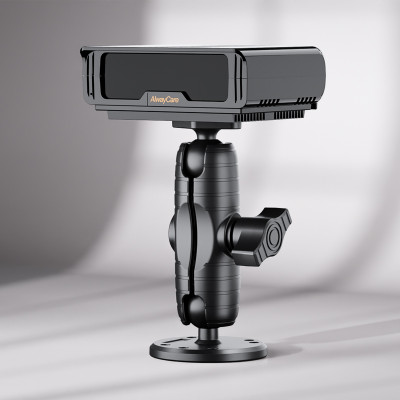
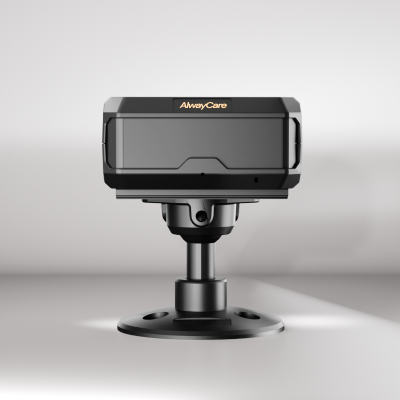
AlwayCare supplies forklift cameras, radar, UWB proximity warnings and related recording options. Match the product to the site risk and confirm the exact truck, power and alarm connection.
Common questions
Can a warning system replace pedestrian barriers?
No. Separation is usually the stronger control.
Should a forklift move without a clear view?
No. Use safe procedures such as stopping or a spotter when required.
Can one alarm zone fit every aisle?
No. Speed, layout and stopping distance change the safe zone.
Key point to remember
Use data and warnings to support the basic forklift controls, not to bypass them.
Contact AlwayCare to discuss the vehicle, work area and warning or recording needs.
Information checked
Checked against current OSHA powered-industrial-truck and pedestrian-traffic guidance, including training, clear view and separation practices.