Forklift Collision Avoidance Systems: Radar vs UWB vs AI Vision Safety Guide
Forklift Safety Guide
A forklift collision avoidance system warns the operator when a person, vehicle or obstacle is close to the truck. The three common sensing options are 77GHz radar, UWB proximity tags and AI vision cameras, and each fits different site conditions. This guide compares them, explains graded warning zones and lists the AlwayCare forklift hardware to review.
Pedestrian strikes are a recognised forklift hazard. Read the OSHA powered industrial trucks standard and the NIOSH forklift hazard alert for the official background, then choose the sensing method from your own site layout.
Sensor comparison: AI vision vs 77GHz radar vs UWB tags
Facility managers usually weigh three sensing approaches. The table states how each works; the exact range and alarm behaviour come from each product page.
| Criterion | AI vision camera | 77GHz radar (R350) | UWB tags (UA350) |
|---|---|---|---|
| Worker wearable | None; detects people in view | None; detects walls, shelves, people, vehicles and other obstacles | Each worker wears a tag (the PT202 is a wrist or helmet tag) |
| Dust, steam and low light | The lens must stay clean and lit | Radar sensing is generally less affected by dust and darkness than optical sensing; confirm on site | Radio ranging rather than optical sensing |
| Line of sight | Required | A direct path is needed | No direct line of sight needed; metal structures can still affect the signal |
| Range on the product page | Depends on the camera model | 0.2–40 m | Alarm distance 0–100 m |
| Alerts | Video overlay and in-cab audio, depending on the model | 3 distance levels with different flashing-light and sound alerts | Configurable alarm and alarm-free zones |
| Check before buying | Lens cleanliness, lighting, camera blind zones | Mounting angle and height, side and rear coverage, nuisance-alarm filtering | Tag distribution, battery routine, alarm-zone set-up |
For a camera, radar and UWB comparison by worksite, read Camera vs Radar vs UWB Proximity Warning. For fleet rollout, rules and pilot testing, read Forklift Collision Warning for Fleets: Selection, Rules and Rollout.
Graded warning zones
An effective system does not sound one constant alarm. It gives graded warnings so the operator can tell a nearby person from an imminent one. The R350 listing, for example, provides three distance levels, each with different flashing-light and sound alerts.
- Map where people and trucks share space: aisles, dock edges, blind corners and crossings.
- Set the alarm levels for each area, with a longer warning where trucks travel faster.
- Test each level with a real person or target at low speed in a safe area.
- Review nuisance alarms after the first weeks and adjust the settings, not the policy.
- Brief operators and ground staff on what each alert means.
These systems warn the operator. Automatic speed limiting or braking needs a dedicated, approved link to the truck controller, so confirm vehicle compatibility before specifying it.
Duty-cycle checks from the product pages
| Check | R350 | UA350 | R300 |
|---|---|---|---|
| Supply voltage | Control box DC 12–24 V | 12/24V | 12/24V |
| Operating temperature | Not listed on the page | -40℃ to 65℃ | -30℃ to 80℃ |
| Installation notes | One control box supports 1 or 2 radar sensors; 5 m standard radar cable, total cable length not above 20 m | Base station 200mm x 120mm x 75mm, ABS housing | 4 probes (R300-1) or 8 probes (R300-2); IP67 in the product name |
Confirm the current figures on each product page before quotation. Washing method, shock and vibration needs depend on the site, so test the installed position rather than assuming a rating the page does not list.
AlwayCare forklift and industrial safety hardware to review
| Model | Type | Listed specifications |
|---|---|---|
| R350 | 77GHz radar collision warning system for forklifts | 0.2–40 m range; 3 distance levels; 1 or 2 radar options (R350-1, R350-2); control box DC 12–24 V |
| UA350 | UWB forklift proximity warning system | Alarm distance 0–100 m; 12/24V; configurable alarm and alarm-free zones; used with PT202 tags |
| R300 | IP67 ultrasonic collision warning radar | 0.3–5 m range; 4 probes (R300-1) or 8 probes (R300-2); 12/24V; response time 0.2±0.05 s |
| R360 | 4-channel 77GHz radar blind spot detection system for commercial vehicles | See the product page for the listed specifications |
Specifications come from each product's datasheet. Your quotation confirms the exact configuration for your trucks.
Questions about forklift collision avoidance
Do radar sensors need workers to wear tags?
No. The R350 detects walls, shelves, people, vehicles and other obstacles without a tag. UWB systems such as the UA350 need each worker to wear a tag.
Can a UWB system work without line of sight?
UWB ranging does not need a direct line of sight in the way a camera does, but metal structures can still affect radio signals. Test coverage around your racking before fitting.
Does a warning system stop the forklift?
A warning system alerts the operator. Automatic speed limiting or braking needs an approved link to the truck controller, so confirm vehicle compatibility first.
How should we test a system on site?
Test each alarm level with a real target at low speed in a safe area, then review nuisance alarms after the first weeks. A pilot checklist is in Forklift Pedestrian Detection: A Fleet Pilot Test Checklist.
Key points
- Choose the sensing method from the site layout: tags or none, line of sight, dust and lighting.
- Use graded alert levels and test each one at low speed.
- Read voltage, temperature and installation limits on the product page before quotation.
- A warning system does not replace training, traffic rules and speed limits.
Review the radar detection range and the UWB proximity warning range, or contact AlwayCare with your truck types.
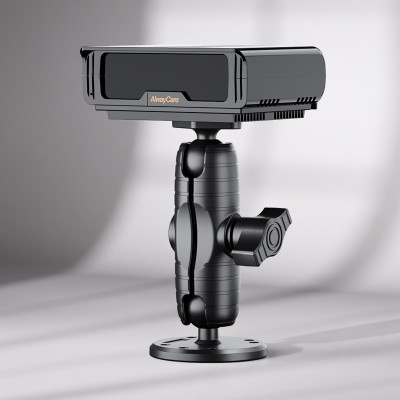
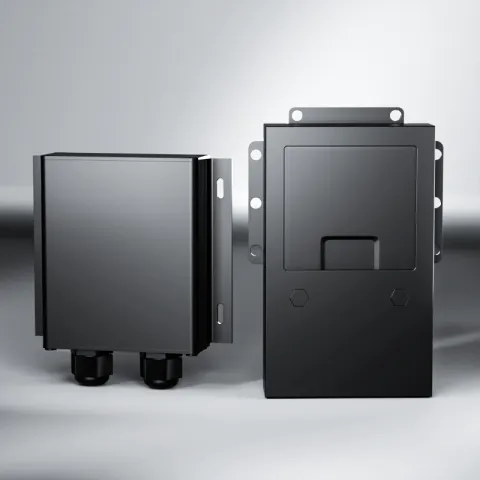 R350R350 77GHz Radar Collision Warning System for ForkliftsRequest a quote
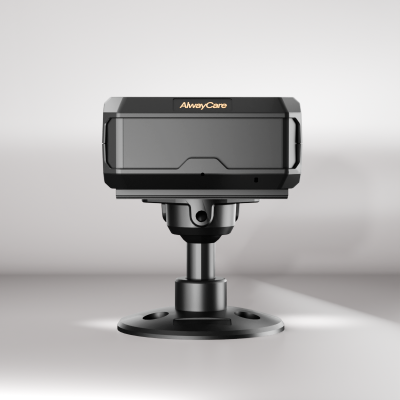
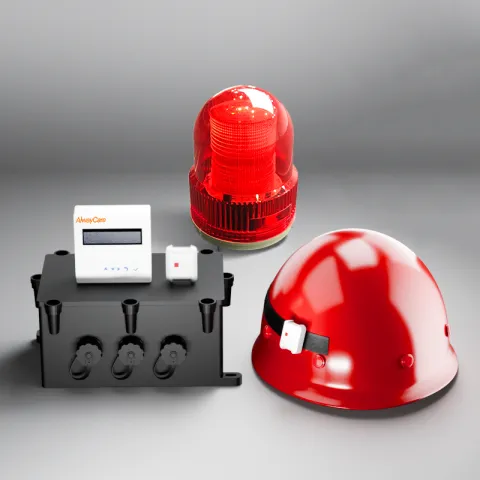 UA350UA350 UWB Forklift Proximity Warning SystemRequest a quote
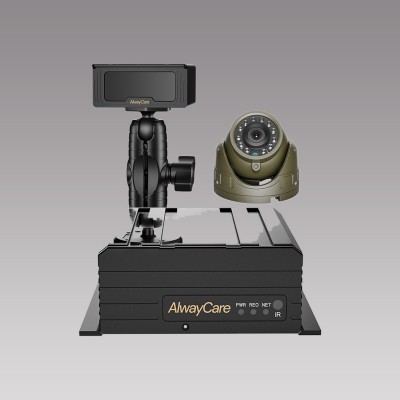
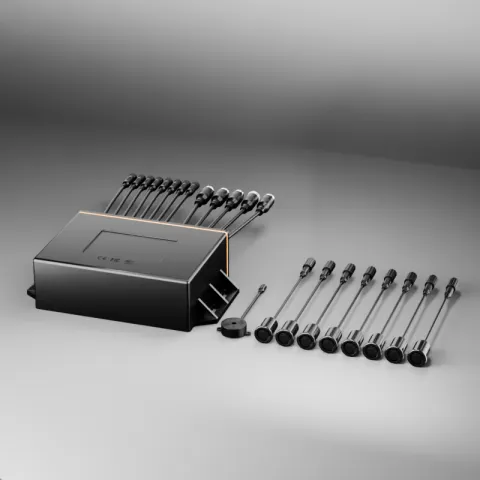 R300R300 IP67 Ultrasonic Collision Warning RadarRequest a quote
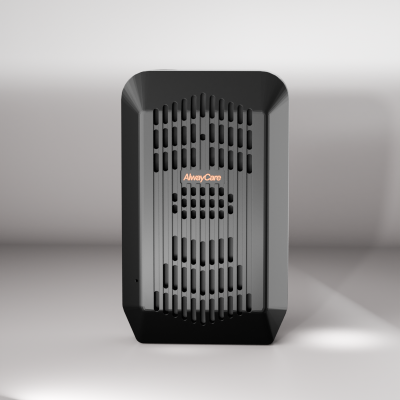
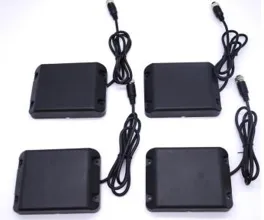 R3604-Channel 77GHz Radar Blind Spot Detection System for Commercial VehiclesRequest a quote
For forklift radar, UWB and camera options in one place, see the forklift fleet safety solution.