What Is a BSD System? Blind Spot Detection for Trucks and Buses
BSD Guide
BSD means blind spot detection. A BSD system watches the area beside a vehicle that the driver cannot see, and gives an alarm when a vehicle, cyclist or pedestrian is detected there. The BSD alarm only warns the driver; it does not control the vehicle.
What is a BSD system in a car?
A BSD system in a car is blind spot detection: sensors watch the lanes beside the vehicle and warn the driver when another vehicle is there. In passenger cars it is typically built into the side mirrors at the factory (OEM) to detect cars in adjacent lanes. It only warns; it does not control the vehicle.
| Passenger car | Commercial truck or bus | |
|---|---|---|
| Typical fit | Built into the side mirrors at the factory (OEM) | AI camera or 77GHz radar, with optional link to an in-cab monitor or Mobile DVR |
| Main target | Cars passing in adjacent lanes at highway speeds | Pedestrians, cyclists and scooters along the curb when turning at low speed |
| Coverage | The lane beside the car | Wider, along the full length of the truck or trailer |
Read how car and commercial BSD differ or check what to look at before you buy.
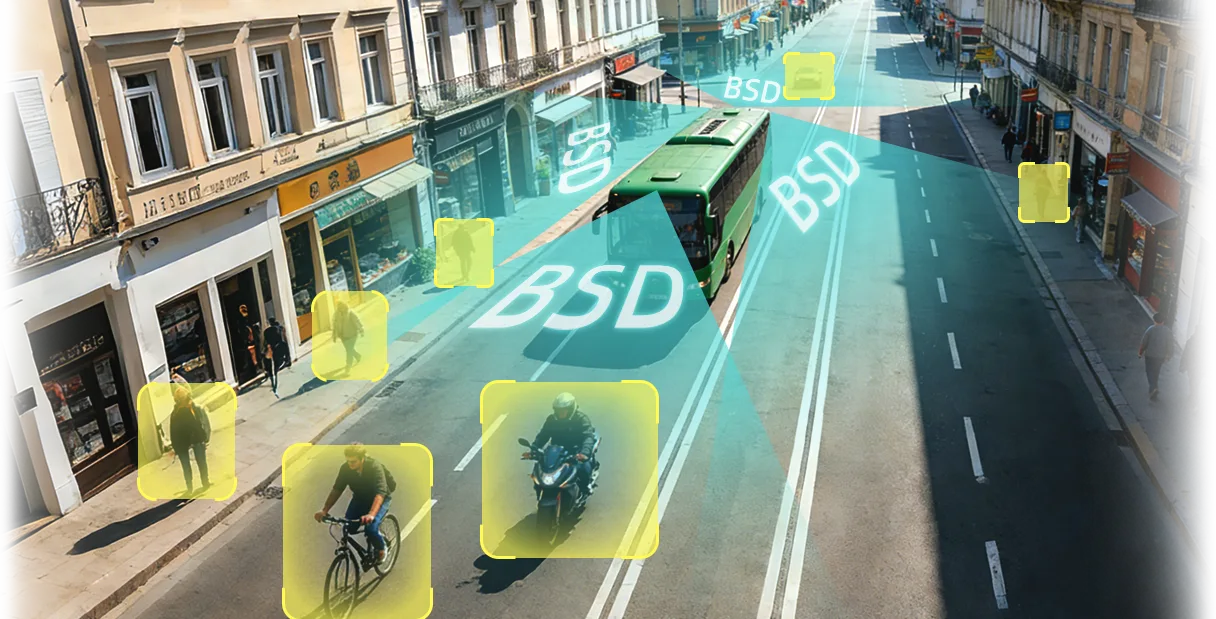
How a BSD system works
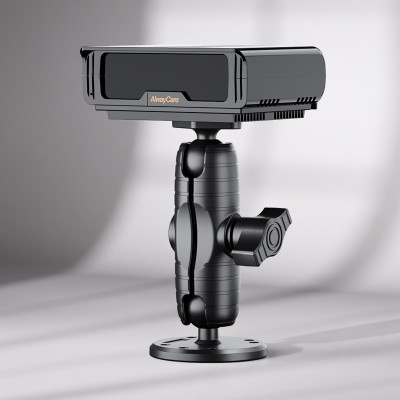
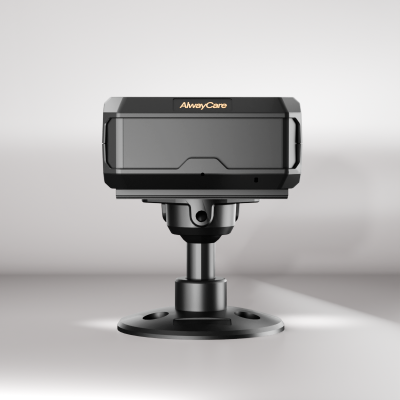
A BSD system has two parts. The detection part uses an AI camera or a radar sensor to watch the side zone. The alert part gives a sound or light warning to the driver when a target is detected there. The detection range and target types depend on the product, so confirm them on the product datasheet.
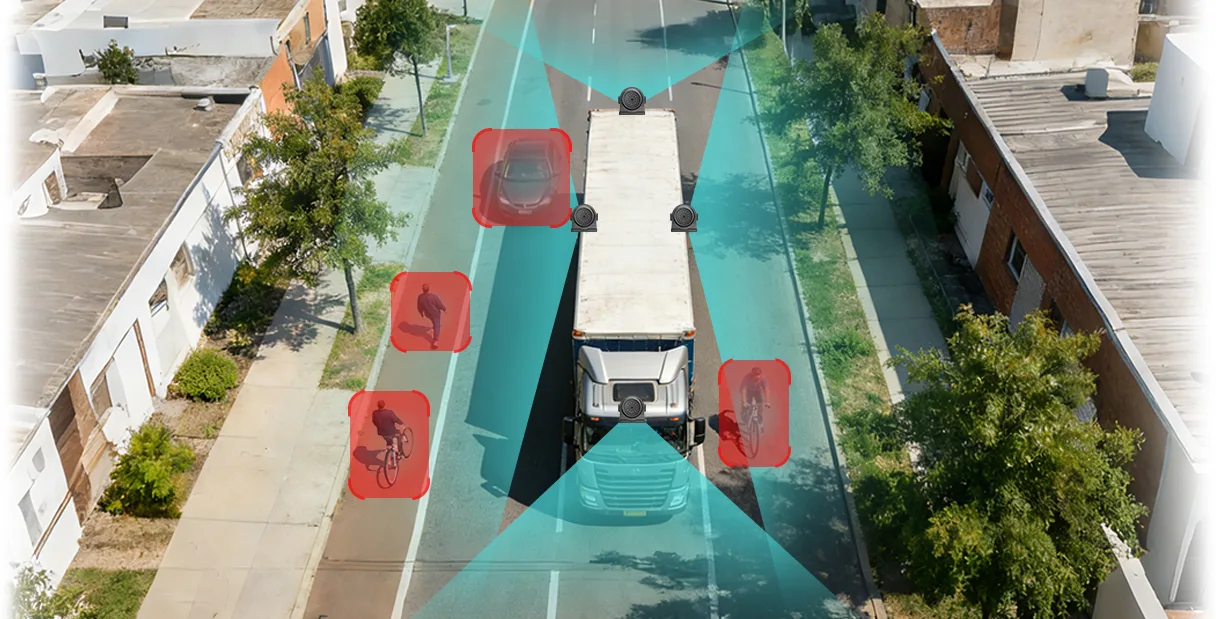
Camera BSD or radar BSD
| Option | What it uses | Example models |
|---|---|---|
| AI BSD camera | Camera with AI detection of vehicles, cyclists and pedestrians; integrated infrared night vision | CC1002-BSD, CC1003-AHD20 |
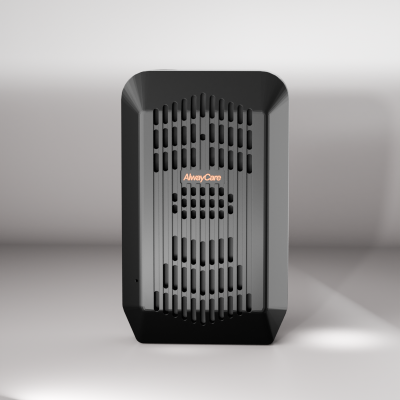
| Radar BSD | 77GHz radar sensors around the vehicle | R360 |
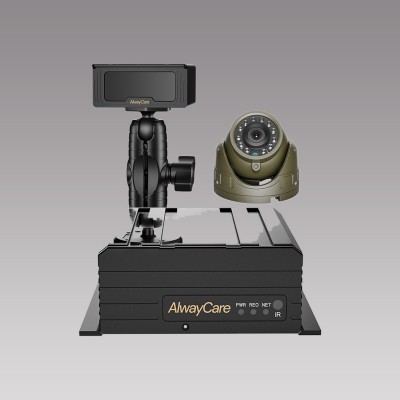
| BSD inside an MDVR or monitor | BSD function combined with a recorder or monitor | MR910-BSD, C1005-BSD |
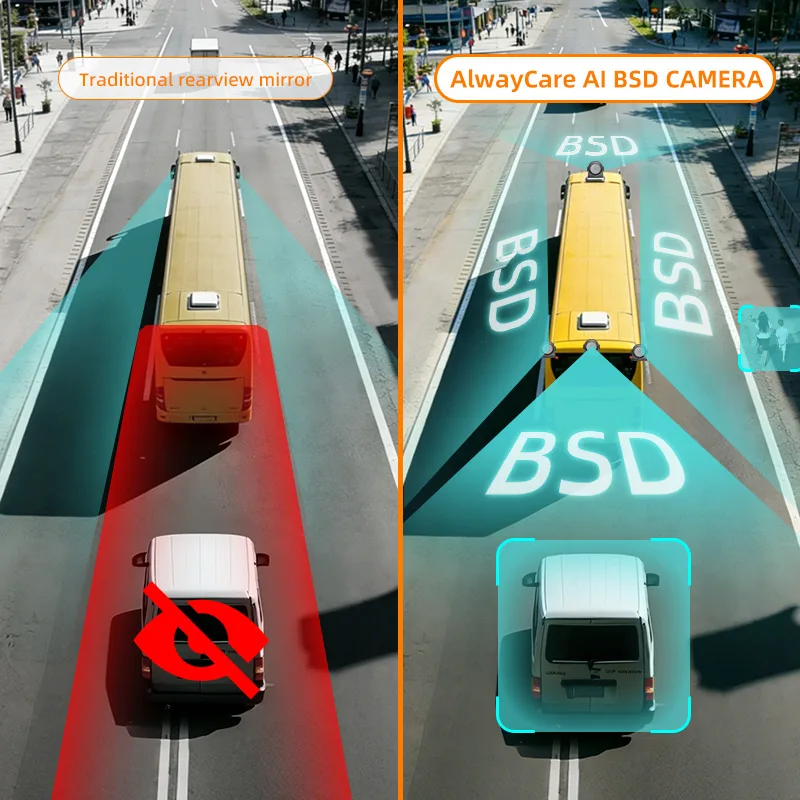
What is a BSD system in a car vs a commercial truck?
Many drivers first ask what a BSD system is after seeing blind spot warning lights on passenger cars. In passenger vehicles, BSD is typically built into the side mirrors at the factory (OEM) to detect cars passing in adjacent lanes at highway speeds.
For commercial trucks, buses and fleet vehicles, blind spot detection addresses different operational risks:
- Vulnerable Road User (VRU) detection: Commercial BSD focuses heavily on detecting pedestrians, cyclists and scooters located along the curb side when turning at low speeds in urban intersections.
- Extended vehicle length: Trucks and articulated trailers require wider coverage along the entire trailer length, where mirrors leave deep blind areas.
- Industrial durability: Commercial fleet systems require IP69K waterproof sensors, shock-resistant wiring, and optional integration with in-cab monitors or Mobile DVR recorders.
What to check before you buy
- Target types: vehicles only, or also cyclists and pedestrians (for example CC1002-BSD).
- Vehicle type and blind zones: check the side zones that matter for your routes.
- Protection rating: choose IP69K where high-pressure washing is routine.
- Power source: confirm the operating voltage on the product datasheet (for example, DC 12V for CC1002-BSD).
- Connection to other systems: confirm whether the BSD alarm is local or shared with an MDVR or DMS unit.
Where BSD fits in a safety system
BSD is one warning function. It does not replace mirrors, the driver's checks or safe working procedures. For a combined setup, look at the BSD range together with the ADAS range.
Installation basics
- Confirm the power source and cable route before fitting.
- Set the sensor or camera angle to cover the side zone the product is designed for.
- Test the alarm with a real target at low speed in a safe area.
- Record the setup and test results for the fleet file.
To fit BSD to a vehicle already in service, read Can You Add Blind Spot Detection to a Truck or Bus?.
To test a blind spot system on your own vehicles, read Blind Spot Detection Pilot Test and Acceptance Checklist.
Key point to remember
A BSD system warns the driver about targets in the side zone. Choose the target types, protection rating and power source on the datasheet, then test the alarm on the vehicle. Review the BSD product range or contact AlwayCare with your vehicle type.
For example layouts, equipment packages and the full blind spot camera and radar range in one place, see the blind spot detection solution for trucks and buses.
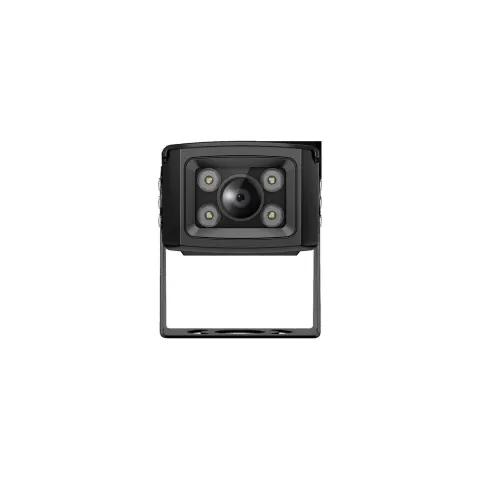 CC1002-BSD1080P AI Blind Spot Detection Camera with Pedestrian WarningRequest a quote
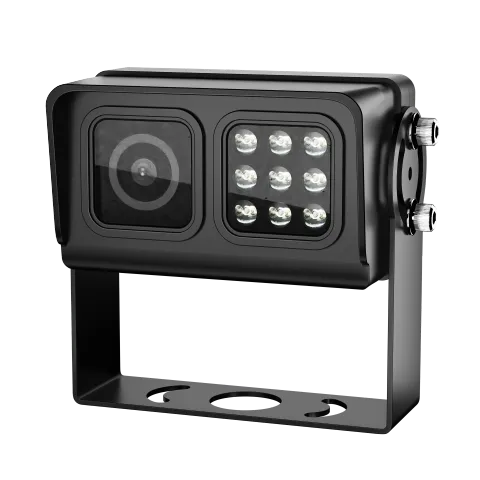 CC1003-AHD20Heavy-Duty AI Blind Spot Recognition CameraRequest a quote
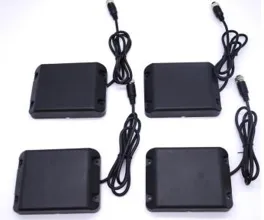 R3604-Channel 77GHz Radar Blind Spot Detection System for Commercial VehiclesRequest a quote
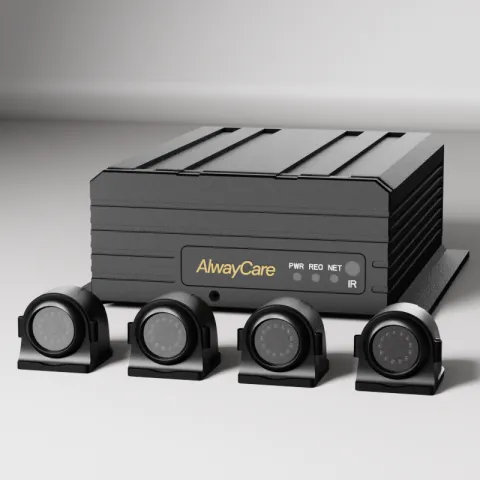 MR910-BSD4-Channel MDVR with Blind Spot DetectionRequest a quote