Victoria Fleet Road Risks: A Practical Planning Guide
Victoria Fleet Safety
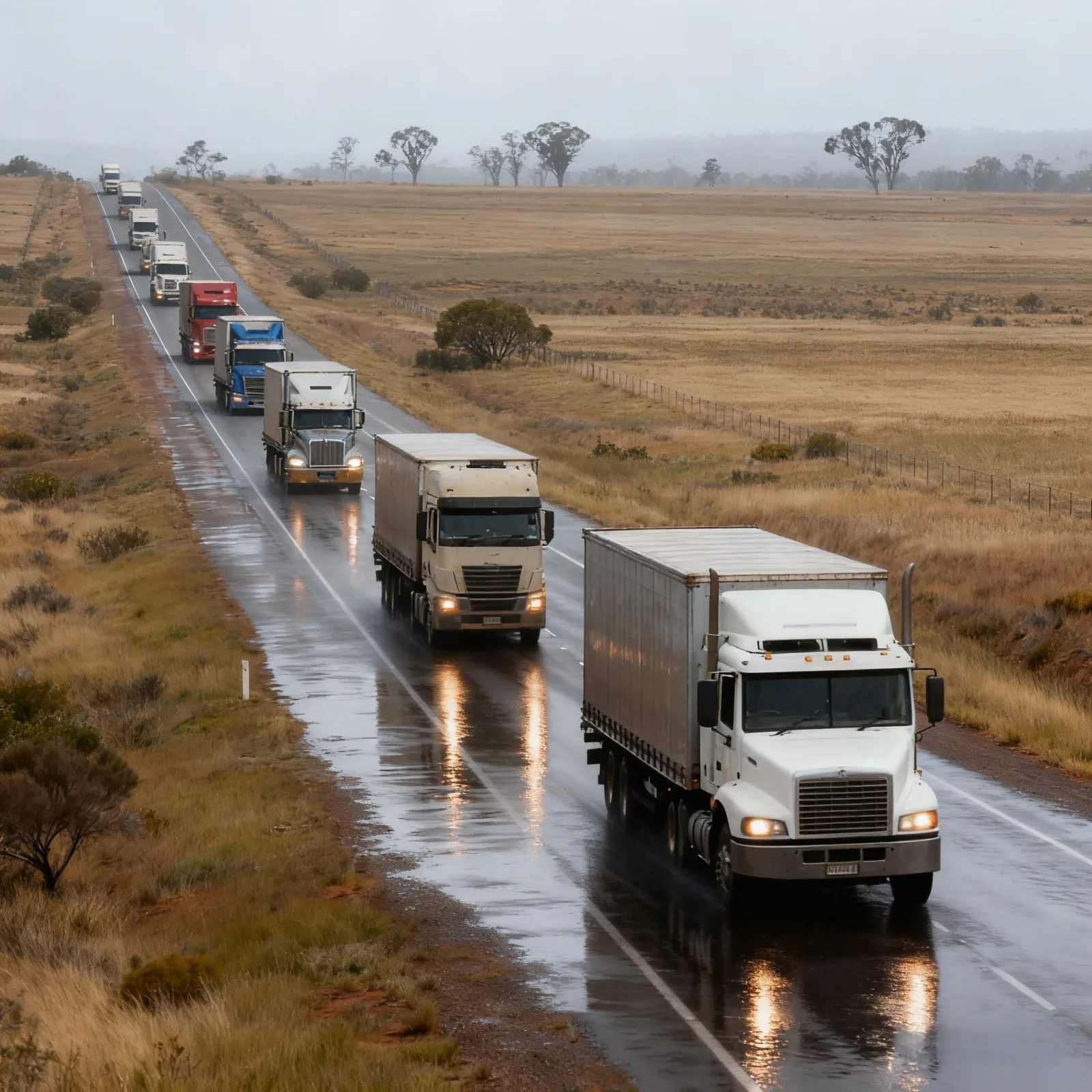
Victoria combines busy city roads, high-speed freight routes and remote regional travel. A useful fleet plan should focus on real tasks and current conditions instead of an unsupported list of the state's worst roads.
The short answer
Review each route for speed, fatigue, distraction, weather, visibility and vehicle condition. Use official warnings and your own checked event data. Plan stops and safe alternatives before the driver leaves.
Which risks deserve the first review?
Transport Victoria and Victoria Police highlight speed, fatigue, distraction and impaired driving. Vehicle condition and the greater crash force of heavy vehicles also matter.
Start with the fleet's routes, incident records and near misses. Do not label a road as a hotspot without current, reliable data.
How do city and regional routes differ?
City routes may have more people on foot, cyclists, stops, lane changes and delivery pressure. Regional routes may add long travel, high speed, poor light, wildlife and fewer safe stops.
The same driver rule may not fit both jobs. Set route notes and break plans that match the task.
- Check the current road and weather warnings
- Plan safe rest and fuel stops
- List known height, weight or lane limits
- Give drivers a clear stop-work process

How should a fleet use event data?
Group events by route, time, vehicle and conditions. A repeated alert at one place may point to road design, map data, camera setup or work pressure.
Check footage and driver input before deciding the cause. A raw alert count is not a full risk measure.
Can ADAS or DMS help?
ADAS may warn about set forward, lane or headway risks. DMS may warn about selected signs of fatigue or lost attention.
Warnings are driver aids. Light, road markings, camera position and weather can affect them. Test the system on each vehicle type.
What can AlwayCare provide?
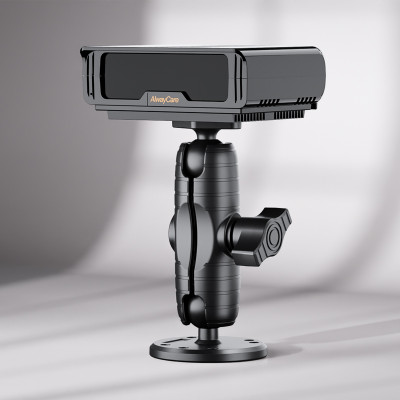
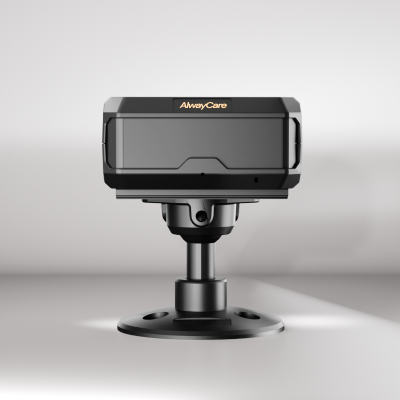
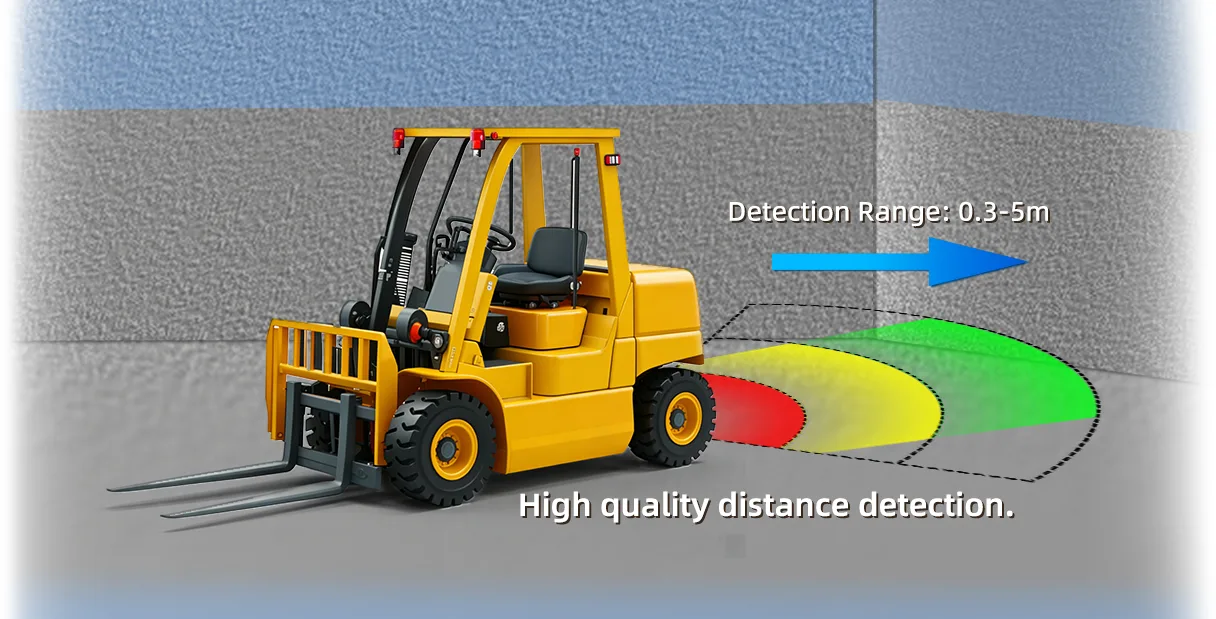
AlwayCare offers ADAS, DMS and connected camera products for commercial fleets. The AWS302 lists forward, pedestrian, lane and headway warnings.
Use the product record to check functions, then confirm fit, alerts and data needs in a vehicle trial.
Common questions
What is the highest-risk road in Victoria?
Risk changes over time and by task. Use current official data and your own fleet records.
Does staying below the limit always mean the speed is safe?
No. Drivers may need to slow down for weather, traffic, visibility or road shape.
Can DMS replace a fatigue plan?
No. It may add a warning, but safe schedules, rest and fitness to drive remain essential.
Key point to remember
Start with the real risk and duty. Choose a tool for one clear job, test it on the target vehicle and keep people responsible for the final decision.
Contact AlwayCare to discuss vehicle fit and warning, camera or recording needs.
Information checked
This guide was checked against Transport Victoria road rules and fatigue guidance, Victoria Police high-risk driving guidance and TAC heavy-vehicle information.