ADAS Sensors Compared: Camera, Radar and Combined Systems for Commercial Vehicles
ADAS Guide
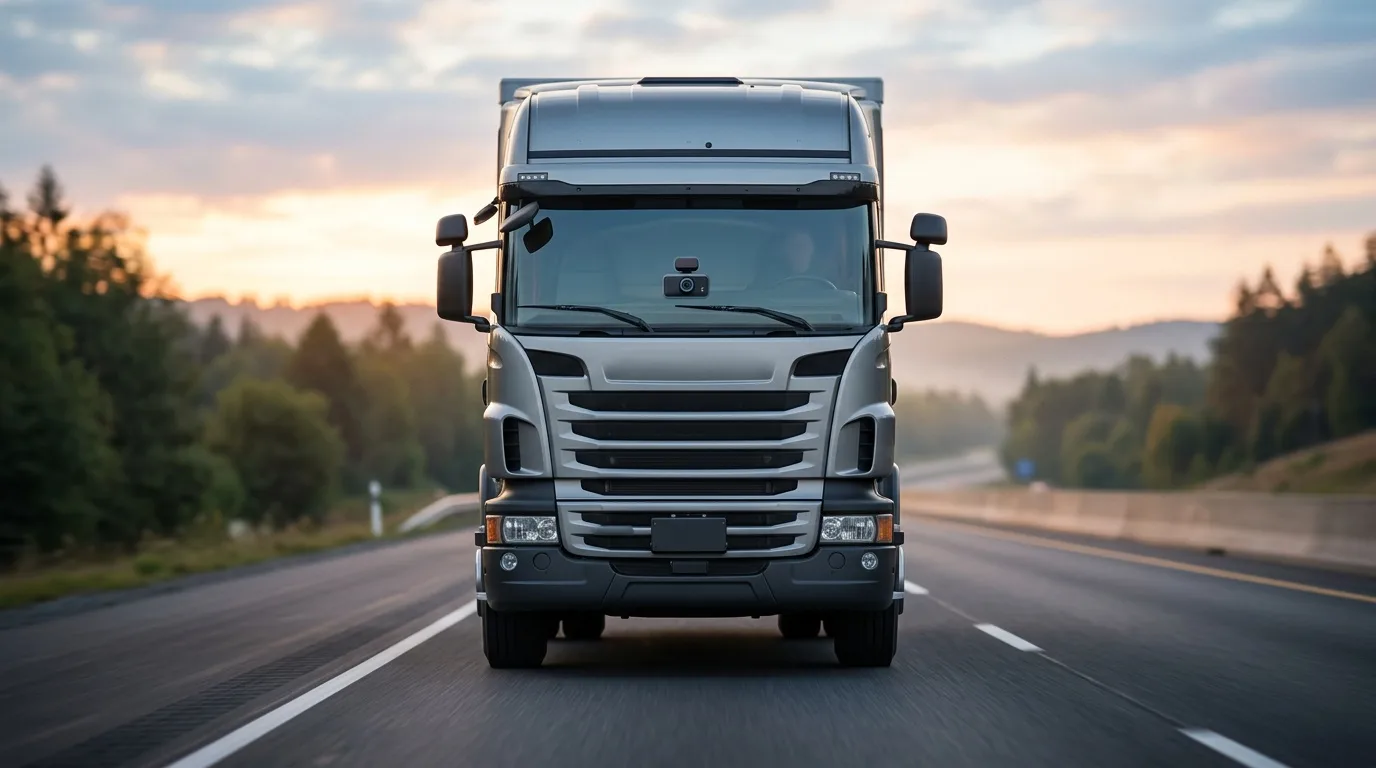
Forward and lane warnings on commercial vehicles rely on one of three sensor approaches: a camera, a radar or a mix of both. Each sees the road in a different way and has different limits in weather and light. This guide compares them so you can match the sensor to the warning you need.
Three sensor approaches
- Camera. Reads images of the road, lane markings and vehicles ahead.
- Radar. Sends radio waves and measures distance and movement of objects.
- Combined. Uses both so that each can support the other.
Comparison
| Camera | Radar | Combined | |
|---|---|---|---|
| Sees well | Lane markings, vehicle shapes, signs | Distance and closing speed of objects | Both kinds of information |
| Limits | Glare, darkness, dirt, rain and snow on the lens or windshield | Cannot read markings; can pick up unwanted objects such as metal on the road | More parts and more to configure |
| Typical warnings | Lane departure, vehicle ahead, pedestrian | Distance and proximity warnings | Forward and lane warnings with distance information |
| Fitting | Behind the windshield or on the body | On the bumper or the body, with a clear radio view | Both positions and a link between them |
These are general differences. Always read the listed functions and limits of the exact product.
Where each fits
- Camera-based when you want lane and forward alerts together with event video.
- Radar-based when distance and closing speed matter and image detail does not, such as slow-speed proximity.
- Ultrasonic for very short range near the vehicle, such as reversing and loading areas.
Combining sensors
A combined system can use radar for distance and a camera for classification. Combining sensors adds information, but it does not remove limits. Weather, dirt and mounting still matter, and the driver stays responsible.
What to ask a supplier
- Which sensor does each warning use?
- In which weather and light does the supplier list a limit?
- What range and speed band does each warning work in?
- How is the sensor mounted and aimed, and who calibrates it?
- What happens when a sensor is dirty or blocked?
- Do the alerts only warn the driver?
For proximity warnings on worksites and forklifts, read Camera vs Radar vs UWB Proximity Warning and Forklift Collision Warning for Fleets. For blind spot detection, read AI Blind Spot Detection for Commercial Fleets. For how heavy-duty ADAS and BSD work together, read Heavy-Duty Truck ADAS and BSD Integration Guide.
AlwayCare products to review
| Model | Type | Listed specifications |
|---|---|---|
| MR750 | 2K 5-channel AI dashcam with ADAS and DMS options (camera-based) | 12/24V; 2K recording; GPS; 4G or Wi-Fi; H.264/H.265; -20℃ to 70℃; warranty 15 months |
| R300 | IP67 ultrasonic collision warning radar | R300-1: 4 probes; R300-2: 8 probes; 12/24V; 40kHz ultrasonic; detection range 0.3-5m; -30℃ to 80℃; warranty 15 months |
| R350 | 77GHz radar collision warning system for forklifts | R350-1: 1 radar; R350-2: 2 radars; 77 GHz millimeter wave; detection range 0.2–40 m; control box DC 12–24 V; warranty 15 months |
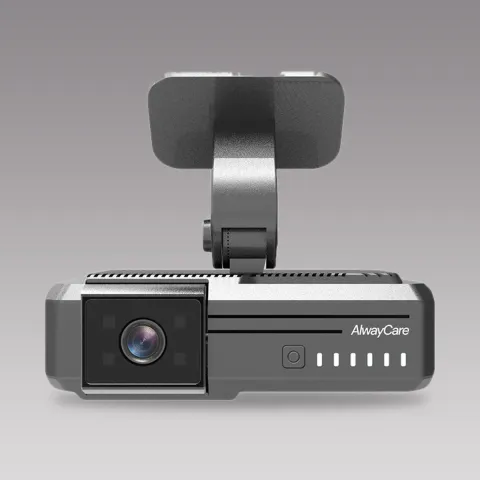 MR7502K 5-Channel AI Dashcam with ADAS/DMSRequest a quote
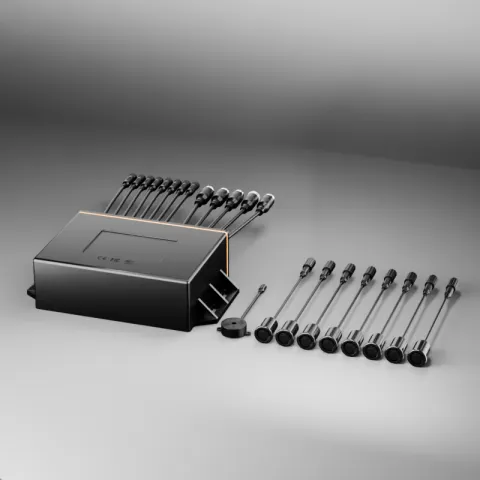 R300IP67 Ultrasonic Collision Warning RadarRequest a quote
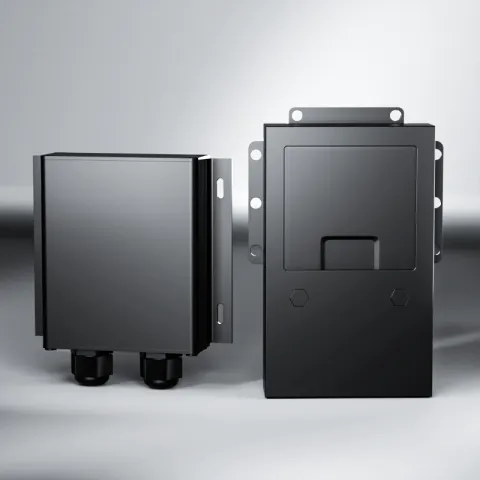 R35077GHz Radar Collision Warning System for ForkliftsRequest a quote
Specifications come from the product pages. Your quotation confirms the configuration, channel layout and fitting plan for each vehicle.
Questions about ADAS sensors
Is radar better than a camera?
They do different jobs. Radar measures distance and speed, a camera reads the scene. Choose by the warning you need.
Do cameras work at night?
It depends on the camera and the light. Ask for the listed conditions and test on your routes.
Can radar detect lane markings?
No. Lane warnings need a camera.
Does a combined system remove the limits?
No. It adds information, but weather, dirt and mounting still matter.
Do these warnings control the vehicle?
No. Aftermarket warnings alert the driver. They do not brake or steer.
Key points
- Cameras read the scene. Radar measures distance and movement.
- Each has limits in weather, light, dirt and mounting.
- Combining sensors adds information but does not remove limits.
- Match the sensor to the warning and test on your routes.
For forward-collision, lane-departure and proximity warning options in one place, see the forward collision warning and proximity systems for commercial fleets.