Lane Departure Warning vs Lane Keep Assist: What Fleets Need to Know
ADAS Guide
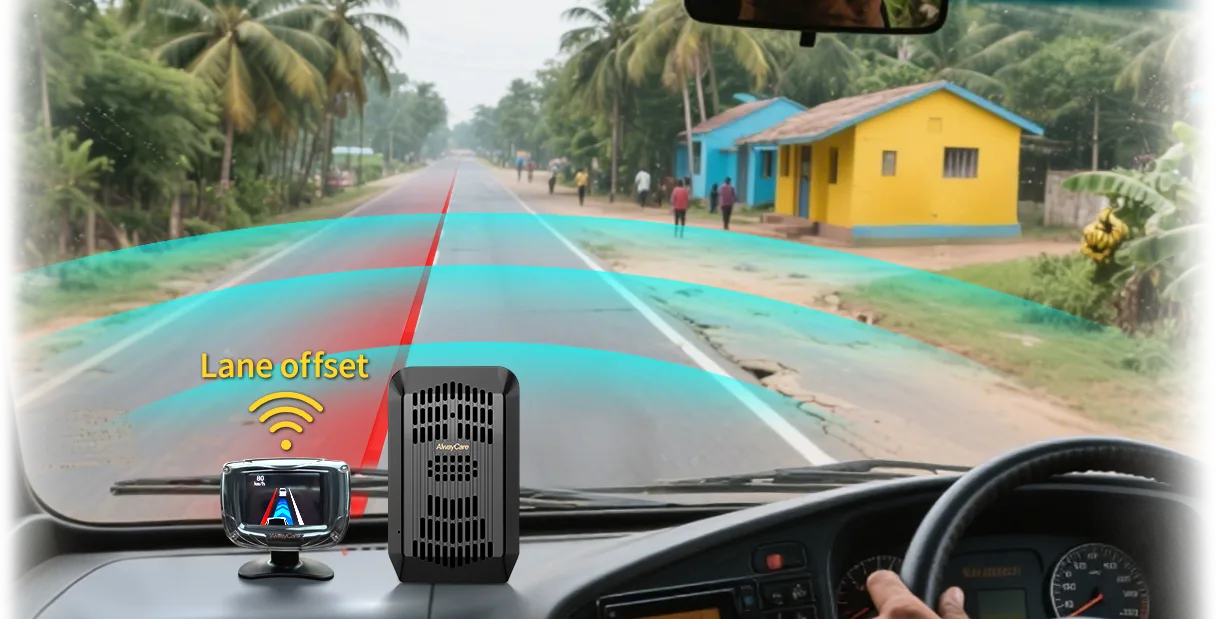
Lane departure warning tells the driver that the vehicle is drifting out of its lane. Lane keep assist goes one step further and applies steering help to bring the vehicle back. Aftermarket fleet devices normally give the warning only. This guide explains the difference and what fleets should check.
The short answer
| Feature | What it does | Who acts |
|---|---|---|
| Lane departure warning (LDW) | Alerts the driver when the vehicle moves out of its lane without a turn signal | The driver |
| Lane keep assist (LKA) | Applies steering help to guide the vehicle back toward the lane | The vehicle system, working with the steering |
| Aftermarket fleet device | Gives the lane alert and records the event | The driver |
How each one works
Both features read the lane markings with a front camera. A warning feature then raises a sound, a voice message or a light. An assist feature is connected to the vehicle’s steering, so it needs to be built into the vehicle or fitted by the vehicle maker. A separate camera or dash cam cannot steer the vehicle.
Where you find each one
- LKA is usually part of the vehicle’s own driver-assistance package. Check the vehicle specification and the vehicle maker’s documents.
- LDW can come with the vehicle or as an aftermarket camera or dash cam with ADAS alerts, depending on the model.
What fleets should check
| Check | Why it matters |
|---|---|
| Alert type and volume | Drivers need to notice the alert without being startled |
| Speed range | Many warnings only work above a set speed. Check the range of the model |
| Turn signal behavior | A lane change with a signal should not raise a warning. Check how the device handles it |
| Road and light conditions | Faded markings, glare, rain and snow can limit what the camera reads |
| Sensitivity settings | Too sensitive causes alert fatigue. Too low hides real drifts |
| Event record | Can the device save a clip and a time so you can review the event? |
Policy and training
- Tell drivers that the device warns them and does not steer.
- Explain what to do when an alert sounds: check the lane, check mirrors and correct smoothly.
- Review the event record for patterns such as fatigue at certain hours.
- Re-check settings when you change vehicles or routes.
For how lane warnings work in fleet use and what they do not do, read Lane Departure Warning for Fleets: How It Works and What It Does Not Do. For the other alerts on the same device, read AI Dashcam for Fleets: Functions, Video and Limits.
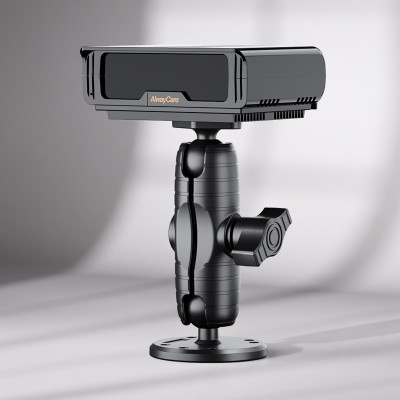
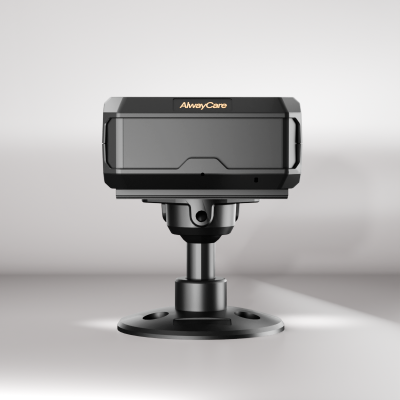
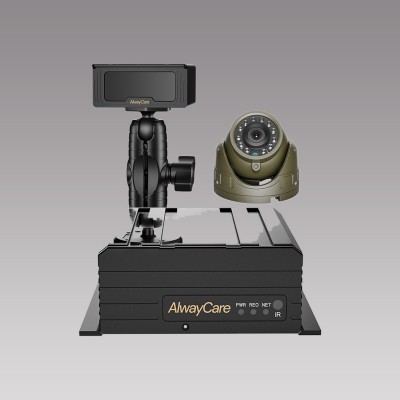
AlwayCare device to review
| Model | Type | Listed specifications |
|---|---|---|
| MR700 | AI dashcam with ADAS and DMS options | 12/24V; 1920x1080; GPS; 4G or Wi-Fi; 512GB TF card; -20℃ to 70℃; warranty 15 months |
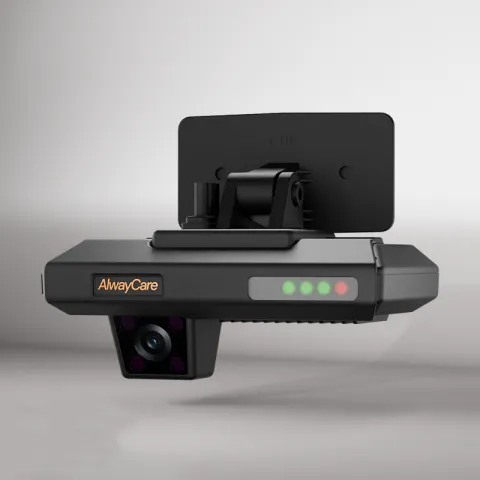
See the product page for the ADAS alert types the model lists. Your quotation confirms the configuration for each vehicle.
Questions about lane departure warning and lane keep assist
Will a dash cam steer my truck back into the lane?
No. An aftermarket dash cam warns the driver. Steering help is part of the vehicle’s own system.
Does the warning work without a turn signal input?
It depends on the device and how it is wired. Ask how the model knows about a lane change.
Why are there false alerts on some roads?
Faded or unusual markings, construction zones and glare can confuse the camera. Adjust sensitivity and review the events.
Should we switch the warning off?
Switching it off removes the alert. First check sensitivity, mounting and driver training. Decide with your safety manager.
Does it record when an alert sounds?
Models with event clips can save video around the alert. Check the model’s listed functions.
Key points
- LDW warns. LKA steers with help from the vehicle.
- Aftermarket fleet devices warn the driver and do not control the vehicle.
- Check speed range, turn-signal handling, sensitivity and event records.
- Train drivers on what the alert means.
For forward-collision, lane-departure and proximity warning options in one place, see the forward collision warning and proximity systems for commercial fleets.