Hazardous Materials Fleet Tracking: Safety and Compliance Guide
Dangerous Goods Fleet Guide
Hazardous materials transport needs more than a vehicle dot on a map. The operator must know the goods, route, vehicle, documents, people and emergency plan. Tracking can support this work, but it cannot make a trip compliant by itself.
The short answer
Start with the law and the load. Confirm the dangerous-goods class, packaging, vehicle, route and emergency needs with a qualified person. Then use location, zone, video or sensor data only where it supports a defined control.

What should be checked before tracking technology?
Identify the goods and the rules that apply in every place the vehicle will travel. Check packaging, labels, placards, documents, licences, vehicle needs and the emergency plan.
Do not use a general fleet article as legal advice. Dangerous-goods duties can change by goods class, quantity and location.
Which tracking data may help?
Location and zone events can show whether a vehicle reached a depot, customer or set route area. Time records may support dispatch and emergency review.
A normal GPS route engine may not know dangerous-goods limits. A trained person must confirm any restricted road, tunnel, bridge or site rule.
- Location and route history
- Entry and exit from set zones
- Time-linked event records
- Controlled access to incident data
Can video support an incident review?
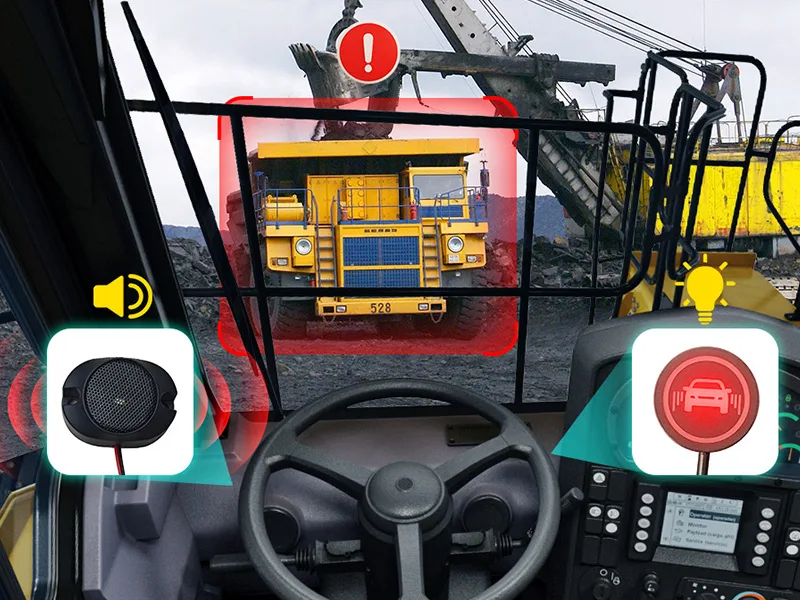
Road and vehicle video may show traffic, weather and driving context. It can help preserve a clear record when the fleet follows its incident process.
Video cannot show cargo condition unless the right view and sensor exist. Keep original files secure and record who viewed or shared them.
What about cargo or vehicle sensors?
A sensor can only report the value it was built and connected to measure. Temperature, pressure, door or tank data need the correct device, range, installation and alarm rules.
Test alarm accuracy and loss of connection. Define who acts when data is missing or outside the limit.
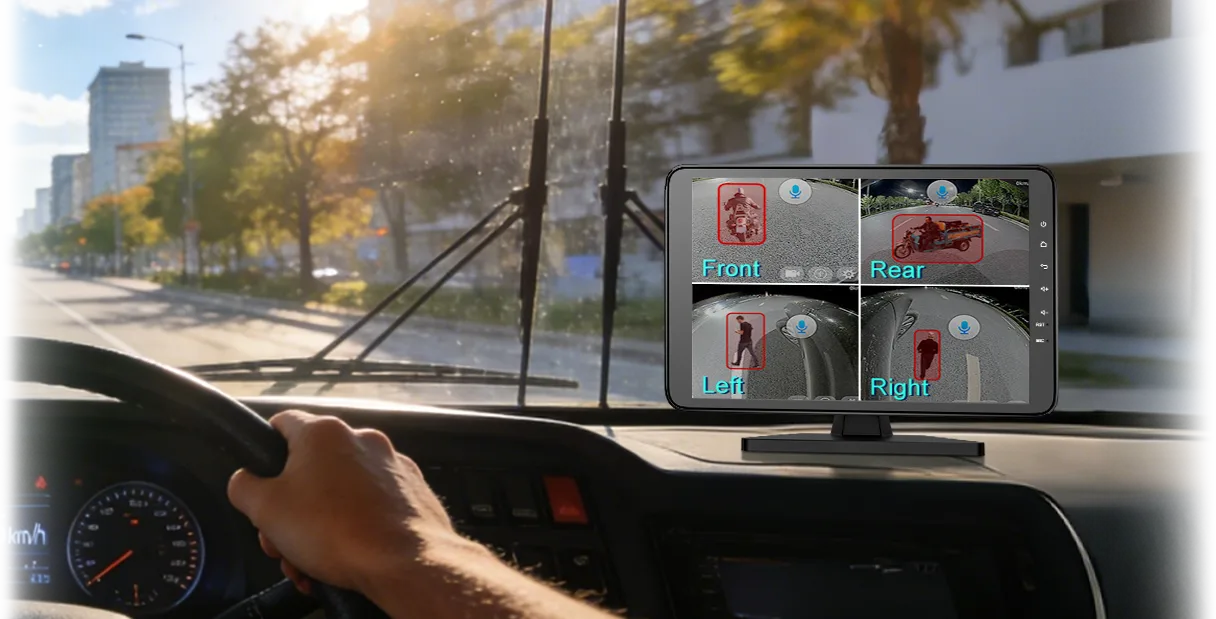
How can AlwayCare support the vehicle layer?
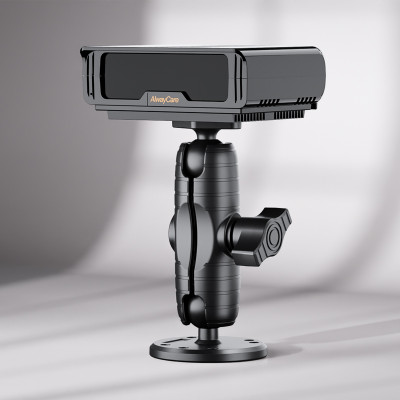
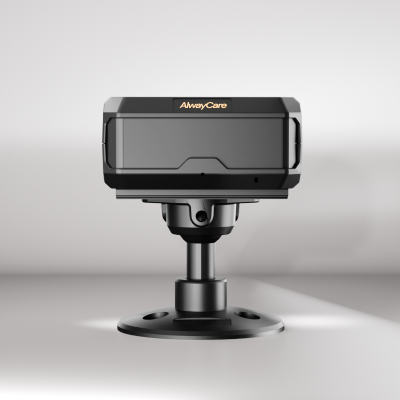
AlwayCare cameras, positioning and driver-warning products can form one layer in a wider dangerous-goods plan. Confirm the exact data and connection available on the chosen model.
Use AlwayCare's contact page to share the vehicle type and visibility or driver risk. Legal and cargo controls remain with qualified parties.
Common questions
Does GPS tracking prove dangerous-goods compliance?
No. Compliance covers the goods, vehicle, people, documents, route and other legal duties.
Can a camera detect a chemical leak?
Not unless the system has a suitable, tested sensor or the leak is clearly visible.
Should a fleet use remote immobilisation for dangerous goods?
That decision needs a security and safety risk review. Stopping a vehicle in the wrong place may create another hazard.
Key point to remember
Start with the real risk and duty. Choose a tool for one clear job, test it on the target vehicle and keep people responsible for the final decision.
Contact AlwayCare to discuss vehicle fit and warning, camera or recording needs.
Information checked
This guide was checked against dangerous-goods transport principles. For Australia, ADG Code Edition 7.9 is the current NTC edition and is given legal force through each jurisdiction's laws.