Chemical Transport Fleet Technology: A Safety Layer Guide
Chemical Transport Safety
Technology can support chemical transport, but it cannot decide whether a load, route or vehicle is lawful. Start with the dangerous-goods code, the load and advice from a qualified person.
The short answer
Confirm the product classification, packaging or tank duties, vehicle rules, documents and route limits first. Then use location, cameras, driver alerts or cargo sensors for a defined risk. Set an action for each alert and test the full process.
What must be decided before choosing technology?
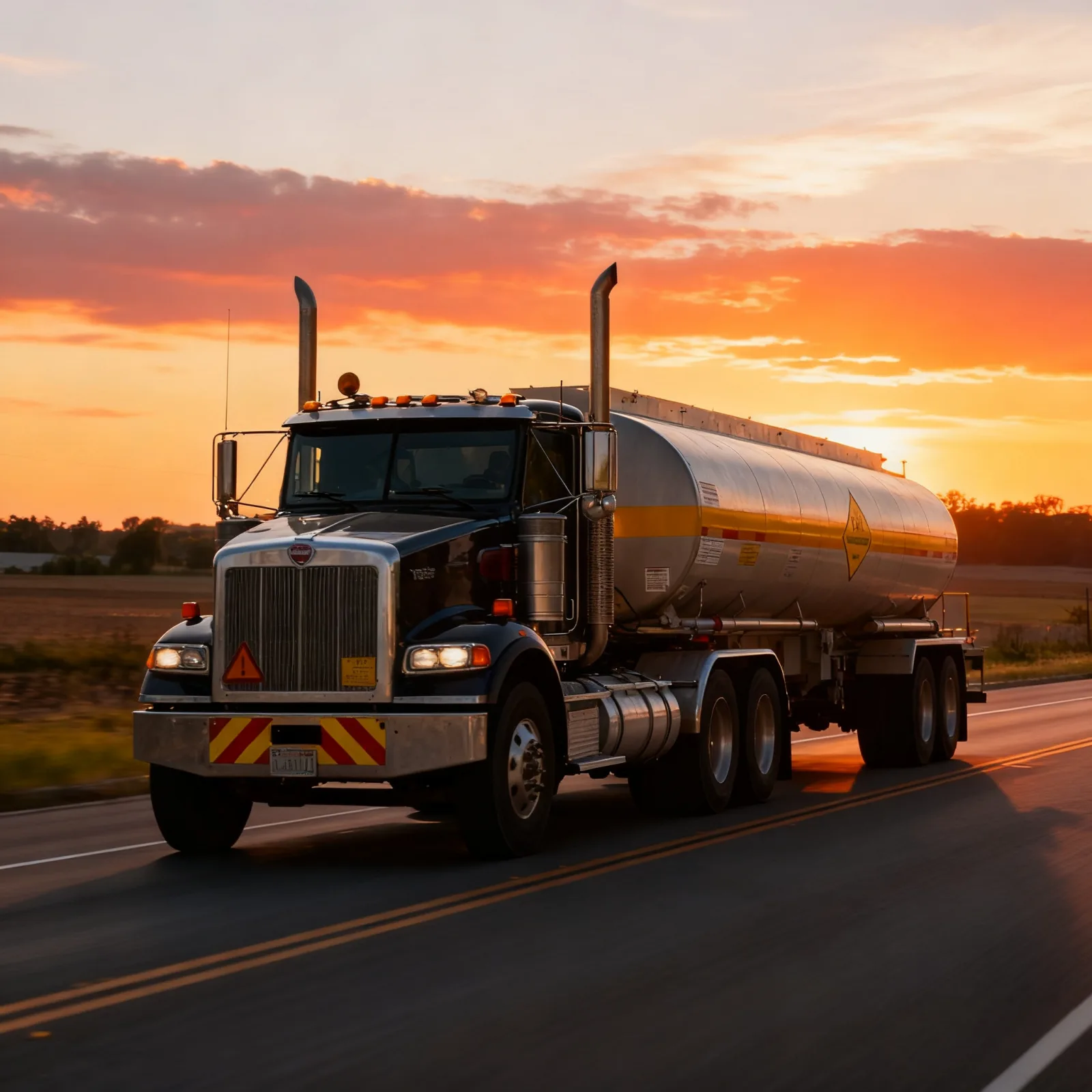
The substance, quantity, container and route can change the legal duty. Emergency information, placards, segregation and driver training may also apply. Use the current law in each state or territory.
What can vehicle location data support?
Location data can show the planned and actual route, stops and zone events. It does not prove that a route is approved for a specific dangerous-goods load. A qualified route check still comes first.
- Load and dangerous-goods classification
- Vehicle and route limits
- Emergency and stop procedure
- Owner for every alert

How can cameras and driver alerts help?
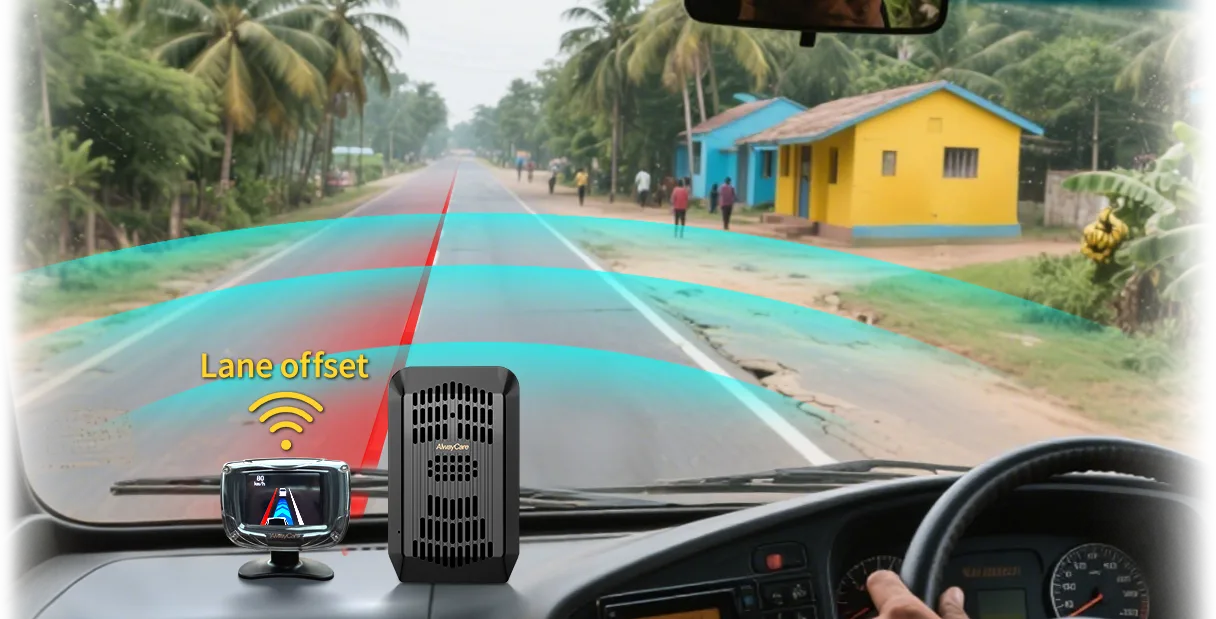
Road and cab cameras can add context to a sudden stop or unsafe event. ADAS or driver monitoring may warn about a defined driving risk. These tools do not replace training, rest or safe loading.
What about cargo and vehicle sensors?
A compatible sensor may report temperature, pressure, door or equipment status. The value is useful only when the limit, response and sensor maintenance are clear. Do not assume one sensor fits every substance or tank.
Where can AlwayCare fit?
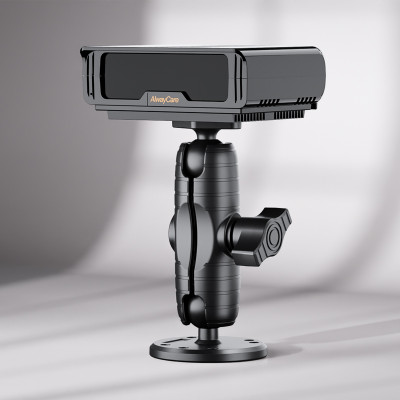
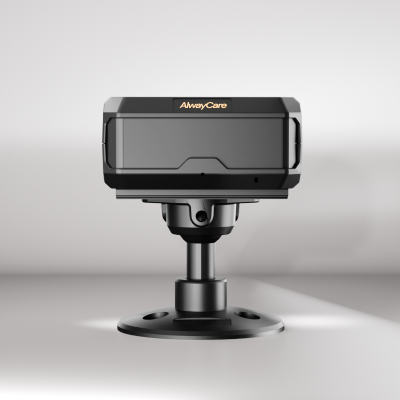
AlwayCare offers connected cameras, recorders, ADAS and driver monitoring products for commercial fleets. Review the available safety layers, then confirm fit with the vehicle and transport plan.
Common questions
Can GPS choose a legal dangerous-goods route?
No. It can record a route, but a qualified legal check is still needed.
Can a camera confirm that cargo is safe?
No. It can show a scene, not the condition of every chemical load.
Should a remote system stop a moving vehicle?
Do not add a remote action without a formal safety and legal review.
Key point to remember
Start with the duty and measured risk. Choose one tool for one clear job, test it in real work and keep a person responsible for the final decision.
Information checked
Checked against the Australian Dangerous Goods Code Edition 7.9, mandatory from 1 October 2025 where given legal force by each jurisdiction. This is general information, not legal advice.