Australia Heavy Vehicle Fatigue Rules: A 2026 Fleet Guide
Australia Fatigue Guide
Australian heavy vehicle fatigue rules changed on 1 August 2026. Fleets should check which work and rest arrangement applies to each driver and whether a transition rule is still in use.
"Fatigue is a major hazard for heavy vehicle drivers. Under the Heavy Vehicle National Law (HVNL), drivers and transport operators share a Primary Duty of Care to take all reasonable steps to eliminate or minimize fatigue-related risks before and during transit."
— National Heavy Vehicle Regulator (NHVR) Fatigue Management Guidelines
The short answer
Do not rely on an old hours table. First confirm that the vehicle and driver are covered by the Heavy Vehicle National Law. Then check the current NHVR work and rest option, record method and transition dates. A driver must also be fit to drive even when the recorded hours are within a limit.

Who needs to check the fatigue rules?
The national fatigue rules mainly apply to fatigue-regulated heavy vehicles in participating states and territories. Western Australia and the Northern Territory use different systems. Routes that cross borders may need extra checks.
What changed in August 2026?
NHVR reforms introduced new terms and accreditation choices. Old and new arrangements may run side by side during transition periods. Current options can include Standard Hours, a transitional former BFM or AFM arrangement, and Alternative Compliance Accreditation for fatigue.
- Confirm the vehicle and route jurisdiction
- Identify the current work and rest option
- Check record and accreditation duties
- Review NHVR transition dates

Can a driver be unsafe within the hours?
Yes. Work and rest limits do not prove that a person is alert. Illness, poor sleep, medicine and long travel before work can add risk. A driver must not drive when fatigue makes the task unsafe.
How can technology support fatigue control?
An approved electronic work diary may help with legal records when used under the correct rules. A driver monitoring camera may add real-time signs such as long eye closure or distraction. It does not replace schedules, rest, supervision or lawful records.

Where can AlwayCare fit?
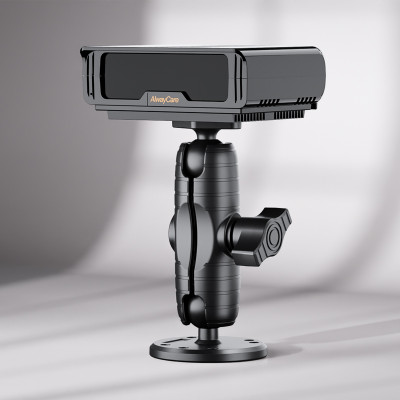
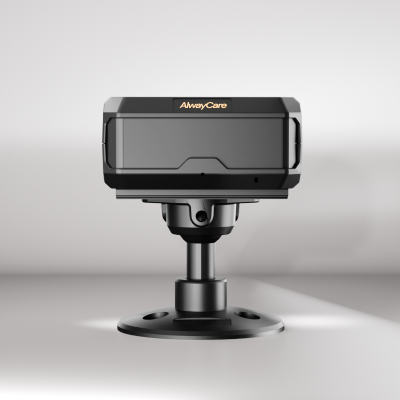
AlwayCare offers driver monitoring and video systems for commercial fleets. Use them as one safety layer after the legal work and rest plan is clear. Compare fleet safety products and confirm the right vehicle setup.
Common questions
Are the old fatigue rules still safe to copy?
No. Check the current NHVR page and any transition rule.
Does a DMS prove legal compliance?
No. It may provide alerts or event records, but legal duties remain.
Can a driver continue if the hours look correct?
Not if the driver is too tired to drive safely.
Key point to remember
Start with the duty and measured risk. Choose one tool for one clear job, test it in real work and keep a person responsible for the final decision.
Information checked
Checked on 20 August 2026 against current NHVR fatigue guidance. This article is general information, not legal advice.