
- View Full Category Page →
 Driver Monitoring System
(4 Models)
View Full Category Page →
Driver Monitoring System
(4 Models)
View Full Category Page → ADAS Anti-Collision
(2 Models)
View Full Category Page →
ADAS Anti-Collision
(2 Models)
View Full Category Page → Blind Spot Detection
(3 Models)
View Full Category Page →
Blind Spot Detection
(3 Models)
View Full Category Page → AI Dashcam
(3 Models)
View Full Category Page →
AI Dashcam
(3 Models)
View Full Category Page → AI Mobile DVR
(9 Models)
5-CH AI MDVR MR910 →MR910-DA 5-Channel AI MDVR with DMS9-CH AI MDVR MR920 →MR920 9-Channel AI Mobile DVR for Fleets13-CH AI MDVR MR930 →MR930 13-Channel AI MDVR for Fleet MonitoringMR910-BP →MR910-BP 5-Channel AI MDVR with BSD Blind-Spot & Pedestrian WarningMR920-360B →MR920-360B 9-Channel AI MDVR with 360° Panoramic AVM & BSD MonitoringMR920-360BA →MR920-360BA 9-Channel AI MDVR (360° AVM + BSD + ADAS Integration)MR920-DA →MR920-DA 9-Channel AI MDVR Telematics Terminal (DMS + ADAS Dual AI)MR920-DAB2 →MR920-DAB2 9-Channel AI MDVR (DMS + ADAS + Dual BSD All-in-One)MR930-DA360B →MR930-DA360B 13-Channel Ultra AI MDVR (DMS + ADAS + 360° AVM + BSD)View Full Category Page →
AI Mobile DVR
(9 Models)
5-CH AI MDVR MR910 →MR910-DA 5-Channel AI MDVR with DMS9-CH AI MDVR MR920 →MR920 9-Channel AI Mobile DVR for Fleets13-CH AI MDVR MR930 →MR930 13-Channel AI MDVR for Fleet MonitoringMR910-BP →MR910-BP 5-Channel AI MDVR with BSD Blind-Spot & Pedestrian WarningMR920-360B →MR920-360B 9-Channel AI MDVR with 360° Panoramic AVM & BSD MonitoringMR920-360BA →MR920-360BA 9-Channel AI MDVR (360° AVM + BSD + ADAS Integration)MR920-DA →MR920-DA 9-Channel AI MDVR Telematics Terminal (DMS + ADAS Dual AI)MR920-DAB2 →MR920-DAB2 9-Channel AI MDVR (DMS + ADAS + Dual BSD All-in-One)MR930-DA360B →MR930-DA360B 13-Channel Ultra AI MDVR (DMS + ADAS + 360° AVM + BSD)View Full Category Page → Mobile DVR
(5 Models)
View Full Category Page →
Mobile DVR
(5 Models)
View Full Category Page → Vehicle Cameras
(20 Models)
CC670 →CC670 Waterproof Infrared Truck CameraCC803 →CC803 Infrared HD Vehicle Camera for FleetsCC805 →CC805 IP68 Infrared Vehicle Camera for FleetsCC806-IPC400 →CC806-IPC400 4MP IP Vehicle CameraCC866-AHD20 →CC866-AHD20 Starlight Camera for Commercial FleetsCC866-AHD20 →CC866-AHD20 IP68 160° Wide-Angle Vehicle CameraCC877-AHD20 →CC877-AHD20 IP68 Starlight Truck CameraCC877-AHD20 →CC877-AHD20 IP68 140° Wide-Angle Vehicle CameraCC930 →CC930 Shockproof Infrared Vehicle CameraCC950-33V →CC950-33V Wide-Voltage IP68 Vehicle CameraCC960-AHD20 →CC960-AHD20 Dual HD Vehicle CameraCC962-AHD20 →CC962-AHD20 Dual Vehicle Camera for FleetsCC980-AHD20 →CC980-AHD20 Mini Reversing Camera for FleetsCC980-W →CC980-W IP68 Wi-Fi Vehicle Camera for FleetsCC990 →CC990 IP68 Starlight Vehicle Camera for Bus FleetsCC995-AHD20 →CC995-AHD20 IP69K Explosion-Proof Vehicle CameraCC998-AHD20 →CC998-AHD20 Waterproof Wi-Fi Vehicle CameraCC998-AHD20 →CC998-AHD20 Mini IP68 Vehicle Camera for LorriesCC1002-4GPS →CC1002-4GPS 4G GPS Vehicle Camera for FleetsCC1005-AH20R →CC1005-AH20R Radar Vehicle Camera for FleetsView Full Category Page →
Vehicle Cameras
(20 Models)
CC670 →CC670 Waterproof Infrared Truck CameraCC803 →CC803 Infrared HD Vehicle Camera for FleetsCC805 →CC805 IP68 Infrared Vehicle Camera for FleetsCC806-IPC400 →CC806-IPC400 4MP IP Vehicle CameraCC866-AHD20 →CC866-AHD20 Starlight Camera for Commercial FleetsCC866-AHD20 →CC866-AHD20 IP68 160° Wide-Angle Vehicle CameraCC877-AHD20 →CC877-AHD20 IP68 Starlight Truck CameraCC877-AHD20 →CC877-AHD20 IP68 140° Wide-Angle Vehicle CameraCC930 →CC930 Shockproof Infrared Vehicle CameraCC950-33V →CC950-33V Wide-Voltage IP68 Vehicle CameraCC960-AHD20 →CC960-AHD20 Dual HD Vehicle CameraCC962-AHD20 →CC962-AHD20 Dual Vehicle Camera for FleetsCC980-AHD20 →CC980-AHD20 Mini Reversing Camera for FleetsCC980-W →CC980-W IP68 Wi-Fi Vehicle Camera for FleetsCC990 →CC990 IP68 Starlight Vehicle Camera for Bus FleetsCC995-AHD20 →CC995-AHD20 IP69K Explosion-Proof Vehicle CameraCC998-AHD20 →CC998-AHD20 Waterproof Wi-Fi Vehicle CameraCC998-AHD20 →CC998-AHD20 Mini IP68 Vehicle Camera for LorriesCC1002-4GPS →CC1002-4GPS 4G GPS Vehicle Camera for FleetsCC1005-AH20R →CC1005-AH20R Radar Vehicle Camera for FleetsView Full Category Page → AI Cameras
(4 Models)
View Full Category Page →
AI Cameras
(4 Models)
View Full Category Page → Wireless Cameras
(14 Models)
CC981 →CC981-W Solar-Powered Magnetic Wireless Vehicle Backup CameraCC981-W →CC981-W Solar-Powered Wireless Vehicle CameraCC982-W →CC982-W IP68 Wireless Camera with Laser GuideDP240-1 →DP240-1 Wireless Monitor and Night-Vision Camera KitWP210 →WP210 7" Waterproof Wireless Reversing Monitor Kit (Single Camera)WP210-A →WP210-A 7" Waterproof Wireless Monitor Kit (Dual Camera Package)WP210-B →WP210-B 7" Waterproof Wireless Quad-View System (4-Camera Package)WP220 →WP220 7" Digital Wireless Dual-Channel Monitor & Reversing Camera KitWP230 →WP230 7" Touch-Button Digital Wireless Commercial Vehicle Monitor KitWP235 →WP235 7" Digital Wireless Dual-Split Monitor Kit (Dual Camera Package)WP235-A →WP235-A 7" Digital Wireless Dual-Split Monitor Kit (Single Camera)WP240-A →WP240-A 7" Digital Wireless Dual-Split Monitor Kit (2-Camera Package)WP240-B →WP240-B 7" Digital Wireless Quad-Split Monitor Kit (4-Camera Package)WP250-B →WP250-B 10.1" Full 4-Camera Wireless Quad-Split Commercial Fleet KitView Full Category Page →
Wireless Cameras
(14 Models)
CC981 →CC981-W Solar-Powered Magnetic Wireless Vehicle Backup CameraCC981-W →CC981-W Solar-Powered Wireless Vehicle CameraCC982-W →CC982-W IP68 Wireless Camera with Laser GuideDP240-1 →DP240-1 Wireless Monitor and Night-Vision Camera KitWP210 →WP210 7" Waterproof Wireless Reversing Monitor Kit (Single Camera)WP210-A →WP210-A 7" Waterproof Wireless Monitor Kit (Dual Camera Package)WP210-B →WP210-B 7" Waterproof Wireless Quad-View System (4-Camera Package)WP220 →WP220 7" Digital Wireless Dual-Channel Monitor & Reversing Camera KitWP230 →WP230 7" Touch-Button Digital Wireless Commercial Vehicle Monitor KitWP235 →WP235 7" Digital Wireless Dual-Split Monitor Kit (Dual Camera Package)WP235-A →WP235-A 7" Digital Wireless Dual-Split Monitor Kit (Single Camera)WP240-A →WP240-A 7" Digital Wireless Dual-Split Monitor Kit (2-Camera Package)WP240-B →WP240-B 7" Digital Wireless Quad-Split Monitor Kit (4-Camera Package)WP250-B →WP250-B 10.1" Full 4-Camera Wireless Quad-Split Commercial Fleet KitView Full Category Page → 360° Around View
(3 Models)
View Full Category Page →
360° Around View
(3 Models)
View Full Category Page → Radar Detection
(2 Models)
View Full Category Page →
Radar Detection
(2 Models)
View Full Category Page → UWB Proximity Warning
(1 Models)
View Full Category Page →
UWB Proximity Warning
(1 Models)
View Full Category Page → Vehicle Monitors
(17 Models)
DP210 →DP210 7-Inch Waterproof Vehicle MonitorDP210-B →DP210-B 7" IP68 Waterproof Heavy-Duty Commercial Vehicle MonitorDP210-C →DP210-C 7" IP68 Waterproof Dual-Channel Vehicle MonitorDP230 →DP230 7-Inch Automatic Vehicle Monitor for BusesDP230-5 →DP230-5 7-Inch Vehicle Monitor with Video RecordingDP230-A →DP230-A 7" Quad-Split 4-Channel Commercial Vehicle MonitorDP230-SD →DP230-SD 7" Standard Definition Commercial Vehicle MonitorDP270-A →DP270-A 10.1" Single-View High-Clarity In-Cab Vehicle MonitorDP275 →DP275 10.1-Inch Full-Angle Vehicle MonitorDP285 →DP285 10.1-Inch Multi-View Vehicle MonitorDP285-A →DP285-A 10.1" Large-Format Quad-Split In-Cab Fleet MonitorDP300 →DP300 11.6-Inch HD Vehicle Monitor for TrucksDP312 →DP312 7" HD Commercial Vehicle Monitor with VGA & CVBS Dual InputDP400 →DP400 AI Mirror Monitor for Extreme TemperaturesDP960 →DP960 4.3-Inch Vehicle Reversing MonitorDP970 →DP970 4.3" Compact In-Cab Commercial Vehicle MonitorDP1016 →DP1016 10.1" IPS 8-Channel Split-Screen Commercial Vehicle DisplayView Full Category Page →
Vehicle Monitors
(17 Models)
DP210 →DP210 7-Inch Waterproof Vehicle MonitorDP210-B →DP210-B 7" IP68 Waterproof Heavy-Duty Commercial Vehicle MonitorDP210-C →DP210-C 7" IP68 Waterproof Dual-Channel Vehicle MonitorDP230 →DP230 7-Inch Automatic Vehicle Monitor for BusesDP230-5 →DP230-5 7-Inch Vehicle Monitor with Video RecordingDP230-A →DP230-A 7" Quad-Split 4-Channel Commercial Vehicle MonitorDP230-SD →DP230-SD 7" Standard Definition Commercial Vehicle MonitorDP270-A →DP270-A 10.1" Single-View High-Clarity In-Cab Vehicle MonitorDP275 →DP275 10.1-Inch Full-Angle Vehicle MonitorDP285 →DP285 10.1-Inch Multi-View Vehicle MonitorDP285-A →DP285-A 10.1" Large-Format Quad-Split In-Cab Fleet MonitorDP300 →DP300 11.6-Inch HD Vehicle Monitor for TrucksDP312 →DP312 7" HD Commercial Vehicle Monitor with VGA & CVBS Dual InputDP400 →DP400 AI Mirror Monitor for Extreme TemperaturesDP960 →DP960 4.3-Inch Vehicle Reversing MonitorDP970 →DP970 4.3" Compact In-Cab Commercial Vehicle MonitorDP1016 →DP1016 10.1" IPS 8-Channel Split-Screen Commercial Vehicle DisplayView Full Category Page → AI Passenger Counter
(10 Models)
PC15 →PC15 Single-Channel AI Passenger Counter for BusesPC16 →PC16 2-Channel Standalone AI Passenger CounterPC22 →PC22 AI Passenger Counter with 4CH MDVRPC23 →PC23 AI Passenger Counter for School Bus FleetsPC25 →PC25 AI Passenger Counter with 4CH MDVR & DMSPC26 →PC26 AI Passenger Counter with 4CH MDVR & DMSPC27 →PC27 AI Passenger Counter with 4CH MDVR & DMSPC28 →PC28 AI Passenger Counter with 4CH MDVRPC36 →PC36 AI Passenger Counter with 8CH MDVR & DMSPC37 →PC37 AI Passenger Counter with 8CH MDVR & DMS/ADAS/BSDView Full Category Page →
AI Passenger Counter
(10 Models)
PC15 →PC15 Single-Channel AI Passenger Counter for BusesPC16 →PC16 2-Channel Standalone AI Passenger CounterPC22 →PC22 AI Passenger Counter with 4CH MDVRPC23 →PC23 AI Passenger Counter for School Bus FleetsPC25 →PC25 AI Passenger Counter with 4CH MDVR & DMSPC26 →PC26 AI Passenger Counter with 4CH MDVR & DMSPC27 →PC27 AI Passenger Counter with 4CH MDVR & DMSPC28 →PC28 AI Passenger Counter with 4CH MDVRPC36 →PC36 AI Passenger Counter with 8CH MDVR & DMSPC37 →PC37 AI Passenger Counter with 8CH MDVR & DMS/ADAS/BSDView Full Category Page → Accessories
(12 Models)
AL-GS10 →AL-GS10 GPS Tracker for Commercial Truck FleetsExtension Cable →4-Pin Aviation Extension Cable for Vehicle CamerasFuel Level Sensor →Fuel Level Sensor for Commercial Vehicle FleetsG402 →G402 4G GPS & BeiDou Fleet Tracking TerminalG405 →G405 4G GPS & BeiDou Vehicle Tracking TerminalInterphone →Real-Time Vehicle Intercom for Fleet SystemsMetal Bracket →Waterproof Metal Mounting Bracket for DMS DevicesTF/ SD Card →High-Speed TF/SD Memory Card for Mobile DVRTire Pressure Sensor →Tire Pressure Sensor for Commercial Vehicle FleetsVibration Cushion →Vibration Seat Cushion for Driver Warning SystemsVibration Motor →Vibration Motor for Driver Warning SystemsWarning Light →Alarm Warning Light for ADAS Vehicle Systems
Accessories
(12 Models)
AL-GS10 →AL-GS10 GPS Tracker for Commercial Truck FleetsExtension Cable →4-Pin Aviation Extension Cable for Vehicle CamerasFuel Level Sensor →Fuel Level Sensor for Commercial Vehicle FleetsG402 →G402 4G GPS & BeiDou Fleet Tracking TerminalG405 →G405 4G GPS & BeiDou Vehicle Tracking TerminalInterphone →Real-Time Vehicle Intercom for Fleet SystemsMetal Bracket →Waterproof Metal Mounting Bracket for DMS DevicesTF/ SD Card →High-Speed TF/SD Memory Card for Mobile DVRTire Pressure Sensor →Tire Pressure Sensor for Commercial Vehicle FleetsVibration Cushion →Vibration Seat Cushion for Driver Warning SystemsVibration Motor →Vibration Motor for Driver Warning SystemsWarning Light →Alarm Warning Light for ADAS Vehicle Systems
Transit Bus Fleet Driver Fatigue & Distraction Alert
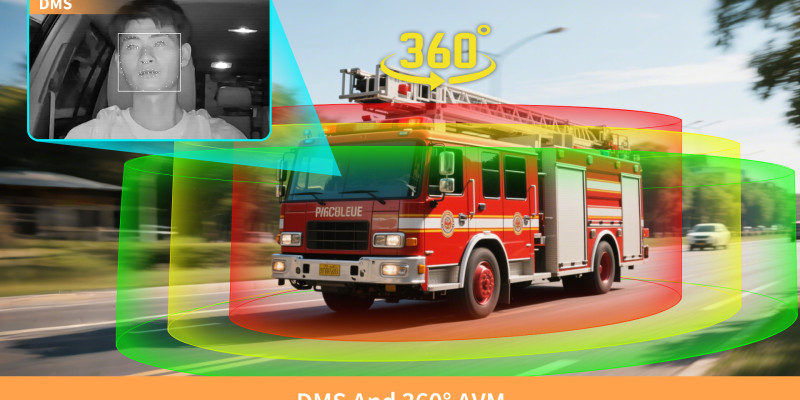
High-density urban traffic and pedestrian crossings require bus drivers to maintain undivided visual attention without distraction. Standalone DMS monitoring detecting cellular phone use, looking away, and drowsiness with immediate audio-visual seat warnings. Helped municipal transit bus operators curb dangerous mobile phone distraction and elevated passenger safety standards across 210 buses.
Operating municipal transit services transporting millions of passengers, Israel's largest public bus conglomerate required an active driver fatigue and distraction alerting system to prevent passenger transit collisions and safeguard urban pedestrians.
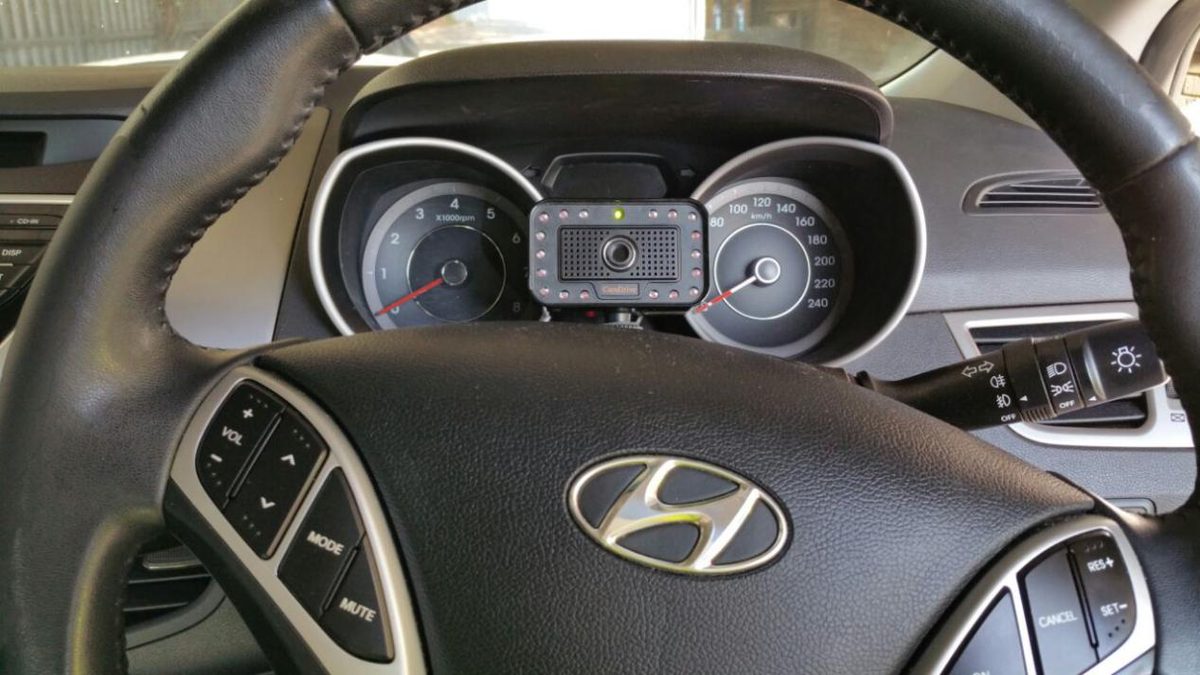
The client selected the standalone AlwayCare MR688-PV version. The unit operates completely autonomously using onboard neural algorithms, requiring only a simple two-wire DC power connection.
Technicians completed installation across 210 buses in phased night-shift intervals at municipal depots. Average installation time was under 30 minutes per bus without disrupting vehicle service schedules.
Operating autonomously, the MR688-PV continuously calculates eye-blink dynamics. When early drowsiness or distraction is detected, it sounds immediate localized voice commands reminding the operator to focus.
Across the operational deployment lifecycle, active fleet safety metrics confirmed decisive improvements:
210 buses outfitted within 60 days without taking vehicles off active passenger routes. Drastically reduced harsh braking incidents caused by late driver hazard perception in urban traffic. The standalone architecture delivered complete safety alerting without recurring monthly software fees. Yes. The standalone architecture operates completely on-device. Audible voice alerts and seat vibration cushions coach drivers in real time without requiring cellular connectivity or ongoing software fees. Standardized non-invasive bracket assemblies and plug-and-play power taps enable installation teams to complete retrofit work during regular nighttime layover hours (averaging ~25 minutes per bus), avoiding route disruption. The algorithm detects continuous looking away (>2 seconds) towards the side or floor, mobile phone handling near the ear or steering wheel, and excessive head nodding, alerting the driver before lane drift or intersection hazards occur. Explore Related Technologies & Solutions:How City Transit Fleets Address In-Cab Driver Distraction in Urban Traffic
1. Executive Overview & Operational Context
Key Operational Constraints
2. System Architecture & Hardware Selection
Subsystem
Equipment Model
Primary Engineering Function
Fatigue Detection Unit
AlwayCare MR688-PV Standalone
Patented pupil tracking algorithm evaluating PERCLOS, yawning frequency, and eyes-off-road duration.
In-Cab Voice Engine
High-Volume Acoustic Module
Outputs loud, clear spoken English and multilingual voice prompts directly inside the driver's cockpit area.
Mounting Configuration
A-Pillar Compact Mounting
Mounted on the driver's left A-pillar corner, maintaining a clean dashboard layout.
Power Interface
Fused DC 12V/24V Line
Direct ignition-switched power connection without complex CAN bus intrusion.
3. Field Installation & Cab Integration
4. Machine Vision Tracking & Cloud Dispatch Verification
5. Field Verification & Fleet Safety Outcomes
Streamlined Overnight Rollout:
Substantial Reduction in Passenger Incident Claims:
No Mandatory Cloud Subscriptions:
6. Technical Architecture Specifications
System Architecture Standalone on-device AI edge processing with autonomous local inference Alert Triggers Drowsiness, microsleep, yawning, distraction, phone usage, smoking Operating Voltage DC 9V – 36V wide input with transient voltage suppression Audio SPL Up to 85dB acoustic voice warnings with volume adjustment 7. Frequently Asked Engineering Questions
Can municipal transit authorities deploy this system without recurring monthly SIM card or cloud subscription fees?
How quickly can an entire city bus depot be retrofitted?
What behaviors trigger distraction warnings in city traffic?