550 Units
Contract Fleet Scale
Long-Haul Road-Train Freight (Australia)
Phased Delivery
Implementation Cycle
Ongoing Multi-Trailer Rollout (From 2017)
3-Tier Active
Triple Safety Stack
MR688B DMS + AWS650 FCW + MDVR Host
Multi-Tier Integrated
Safety Benchmark
Long-Haul Road-Train Protocol
ENGINEERING BRIEF • ANSWER-FIRST EXECUTIVE SNAPSHOT
1. Operational Challenge
Multi-trailer road trains traveling thousands of kilometers across remote Outback highways require expanded safety margins against driver fatigue and blind spots.
2. Deployed Turnkey Answer
Integrated AWS650 forward collision warning, MR688 DMS driver monitoring, and high-definition blind-spot side cameras.
3. Measured Field Outcome
Enhanced panoramic visibility and proactive collision mitigation across 550 long-haul road trains operating in Western Australia.
1. Executive Overview & Operational Context
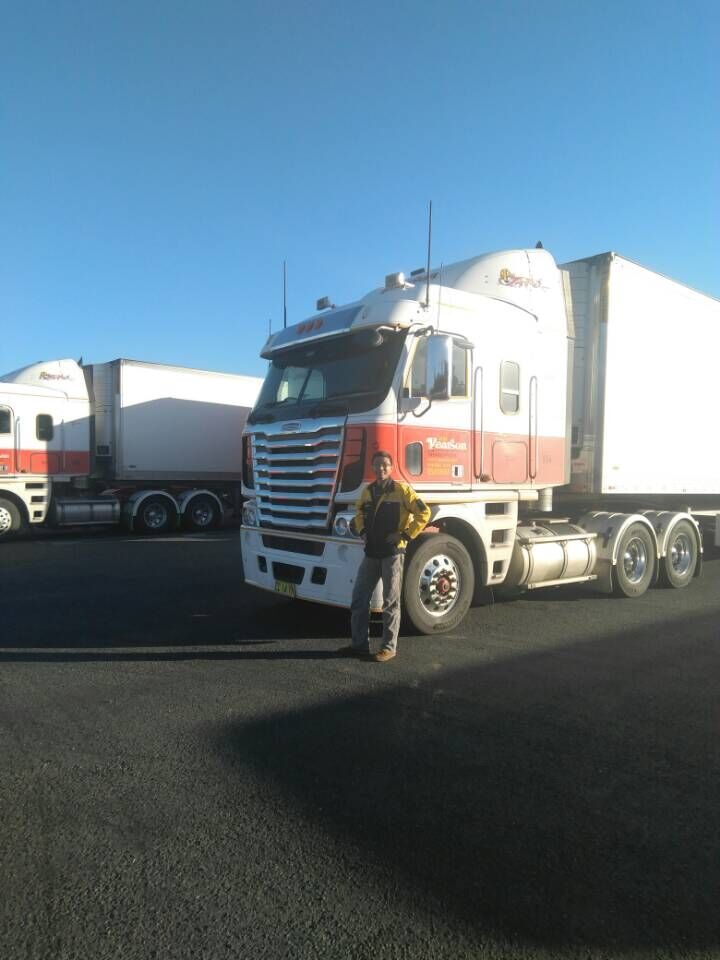
Operating across the vast Australian Outback on routes spanning thousands of kilometers, multi-trailer 'Road Trains' represent the world's heaviest road-going freight combinations (exceeding 100+ tons GCM). A premier logistics carrier, recognized as Australia's 'Safest Fleet' winner, deployed AlwayCare's full triple-tier safety suite across 550 heavy prime movers.
Key Operational Constraints
- Massive Kinetic Energy & Braking Limits: Stopping distances for 50-meter multi-trailer road trains require maximum early collision warning.
- Profound Outback Isolation & Fatigue: Endless straight desert highways under extreme heat create peak conditions for highway hypnosis and microsleep.
- Wildlife & Stray Livestock Hazards: Kangaroo, cattle, and obstacle impacts require continuous forward optical scanning and incident video evidence.
2. System Architecture & Hardware Selection
The client deployed a unified three-part active safety architecture integrating AlwayCare MR688B driver fatigue monitoring, AWS650 forward collision warning, and a multi-channel cellular MDVR.
| Subsystem |
Equipment Model |
Primary Engineering Function |
| Driver Monitoring Engine |
AlwayCare MR688B-V4-PV |
In-cab machine vision analyzing driver fatigue, distraction, seatbelt status, and eyes-off-road time. |
| Forward Collision Warning |
AlwayCare AWS650 (ADAS) |
Forward optical vision monitoring headway distance, calculating relative speed, and triggering FCW/LDW warnings. |
| Mobile Digital Video Recorder |
Ruggedized 4G Cellular MDVR |
Central hub recording continuous 1080p forward road video and cab safety feeds with GPS metadata. |
| Integrated Warning Architecture |
Synchronous In-Cab Alerting |
Coordinated audible warnings prioritizing imminent crash alerts over secondary fatigue notifications. |
3. Field Installation & Cab Integration
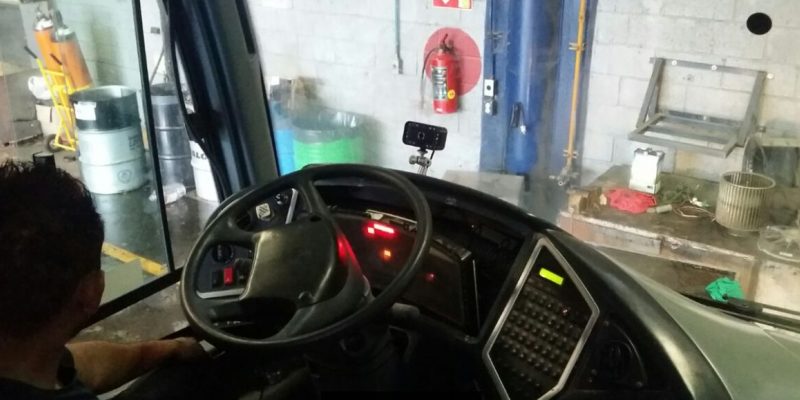
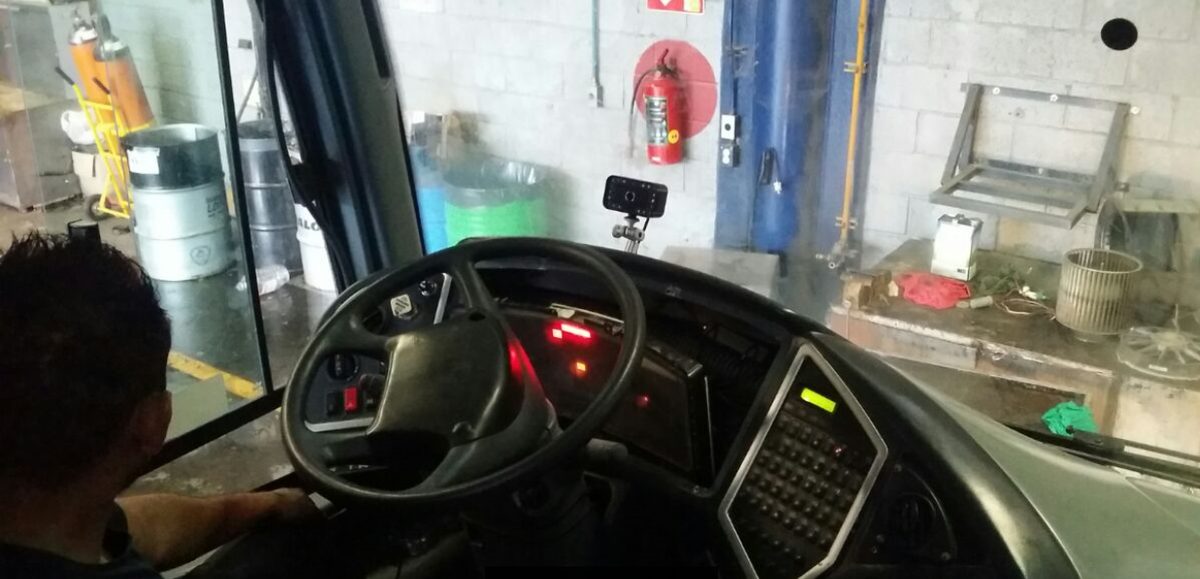
Deployed across depots in Perth, Melbourne, and Brisbane. AWS650 was mounted on the heavy commercial windshield; MR688B was secured to the A-pillar base; MDVR was shock-mounted in a locked cab vault.
Field Deployment: Multi-trailer road train combination operating across the Australian Outback.

Field Deployment: In-cab A-pillar installation of AlwayCare MR688B driver monitoring sensor.
Field Deployment: Windshield optical installation of AlwayCare AWS650 forward collision warning camera.
4. Machine Vision Tracking & Cloud Dispatch Verification
When an active safety event occurs (FCW forward proximity or DMS eye closure), the MDVR captures 15 seconds pre/post event video and transmits the telemetry packet to the carrier's 24/7 central logistics operations center.
- Autonomous Real-Time Perception: On-device optical edge inference runs continuously at high frame rates without mandatory cellular connectivity.
- Immediate Acoustic Warning (<100ms): Piercing localized voice/tone alarms cut through heavy diesel cabin background noise.
- Automated Telemetry Synchronization: Incident status, timestamp, and speed telemetry are routed to fleet dispatch centers.
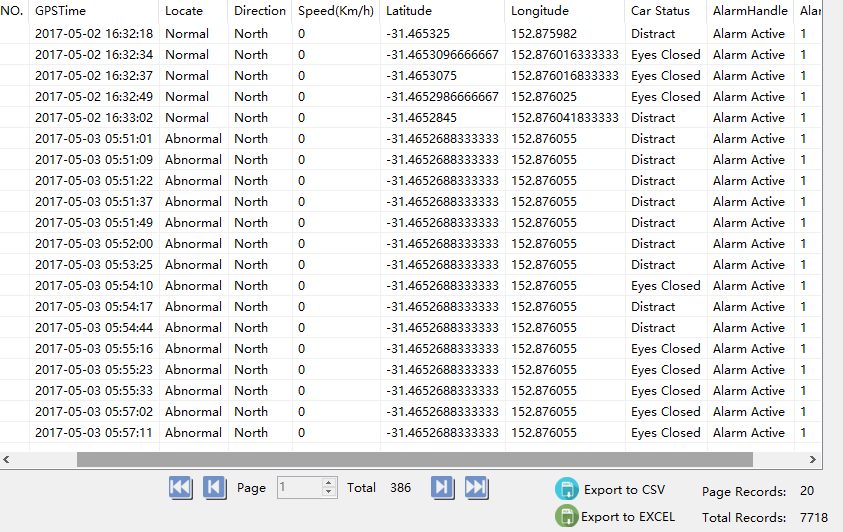
Telematics & Software Interface: Networked multi-channel Mobile DVR telematics console and fleet management interface.
5. Field Verification & Fleet Safety Outcomes
Across the operational deployment lifecycle, active fleet safety metrics confirmed decisive improvements:
Safest Fleet Recognition:
Supported the fleet's industry award for Australia's safest long-haul commercial transport carrier.
Dramatic Reduction in Fatigue Events:
In-cab alerts and driver fatigue training reduced prolonged eyelid closure events by over 70%.
Unbroken Out-Back Telematics Recording:
Ruggedized hardware operated continuously in cabin temperatures exceeding +50°C during desert summer operations.
6. Technical Architecture Specifications
| System Composition | DMS + ADAS + MDVR full commercial vehicle safety ecosystem |
|---|
| Operating Temperature | -20°C to +70°C extreme Outback climate tested |
|---|
| Video Storage | 2TB automotive-grade lockable storage with automated overwriting |
|---|
| Telematics Uplink | High-gain 4G LTE antenna with dual-mode GPS/GLONASS tracking |
|---|
7. Frequently Asked Engineering Questions
How do side blind-spot cameras assist road-train drivers during lane changes with multi-trailer configurations?
Heavy-duty IP69K side cameras mounted on vehicle mirrors feed live, wide-angle 120° coverage directly into the in-cab high-definition monitor upon turn signal activation, illuminating blind spots along trailers up to 53.5 meters long.
How does the system handle extreme Outback dust and unsealed red-dirt highway conditions?
External cameras feature rugged cast-alloy waterproof housings with IP69K pressure-wash resistance, and internal sensors utilize sealed optical compartments that prevent fine silica dust ingress.
Does the system alert drivers to stray livestock or animals crossing the road ahead at night?
The forward optical machine vision identifies reflective hazards and shapes along the vehicle path, giving drivers crucial headway seconds to decelerate safely without risking a catastrophic jackknife.
Explore Related Technologies & Solutions:

 Driver Monitoring System
(4 Models)
View Full Category Page →
Driver Monitoring System
(4 Models)
View Full Category Page → ADAS Anti-Collision
(2 Models)
View Full Category Page →
ADAS Anti-Collision
(2 Models)
View Full Category Page → Blind Spot Detection
(3 Models)
View Full Category Page →
Blind Spot Detection
(3 Models)
View Full Category Page → AI Dashcam
(3 Models)
View Full Category Page →
AI Dashcam
(3 Models)
View Full Category Page → AI Mobile DVR
(9 Models)
5-CH AI MDVR MR910 →MR910-DA 5-Channel AI MDVR with DMS9-CH AI MDVR MR920 →MR920 9-Channel AI Mobile DVR for Fleets13-CH AI MDVR MR930 →MR930 13-Channel AI MDVR for Fleet MonitoringMR910-BP →MR910-BP 5-Channel AI MDVR with BSD Blind-Spot & Pedestrian WarningMR920-360B →MR920-360B 9-Channel AI MDVR with 360° Panoramic AVM & BSD MonitoringMR920-360BA →MR920-360BA 9-Channel AI MDVR (360° AVM + BSD + ADAS Integration)MR920-DA →MR920-DA 9-Channel AI MDVR Telematics Terminal (DMS + ADAS Dual AI)MR920-DAB2 →MR920-DAB2 9-Channel AI MDVR (DMS + ADAS + Dual BSD All-in-One)MR930-DA360B →MR930-DA360B 13-Channel Ultra AI MDVR (DMS + ADAS + 360° AVM + BSD)View Full Category Page →
AI Mobile DVR
(9 Models)
5-CH AI MDVR MR910 →MR910-DA 5-Channel AI MDVR with DMS9-CH AI MDVR MR920 →MR920 9-Channel AI Mobile DVR for Fleets13-CH AI MDVR MR930 →MR930 13-Channel AI MDVR for Fleet MonitoringMR910-BP →MR910-BP 5-Channel AI MDVR with BSD Blind-Spot & Pedestrian WarningMR920-360B →MR920-360B 9-Channel AI MDVR with 360° Panoramic AVM & BSD MonitoringMR920-360BA →MR920-360BA 9-Channel AI MDVR (360° AVM + BSD + ADAS Integration)MR920-DA →MR920-DA 9-Channel AI MDVR Telematics Terminal (DMS + ADAS Dual AI)MR920-DAB2 →MR920-DAB2 9-Channel AI MDVR (DMS + ADAS + Dual BSD All-in-One)MR930-DA360B →MR930-DA360B 13-Channel Ultra AI MDVR (DMS + ADAS + 360° AVM + BSD)View Full Category Page → Mobile DVR
(5 Models)
View Full Category Page →
Mobile DVR
(5 Models)
View Full Category Page → Vehicle Cameras
(20 Models)
CC670 →CC670 Waterproof Infrared Truck CameraCC803 →CC803 Infrared HD Vehicle Camera for FleetsCC805 →CC805 IP68 Infrared Vehicle Camera for FleetsCC806-IPC400 →CC806-IPC400 4MP IP Vehicle CameraCC866-AHD20 →CC866-AHD20 Starlight Camera for Commercial FleetsCC866-AHD20 →CC866-AHD20 IP68 160° Wide-Angle Vehicle CameraCC877-AHD20 →CC877-AHD20 IP68 Starlight Truck CameraCC877-AHD20 →CC877-AHD20 IP68 140° Wide-Angle Vehicle CameraCC930 →CC930 Shockproof Infrared Vehicle CameraCC950-33V →CC950-33V Wide-Voltage IP68 Vehicle CameraCC960-AHD20 →CC960-AHD20 Dual HD Vehicle CameraCC962-AHD20 →CC962-AHD20 Dual Vehicle Camera for FleetsCC980-AHD20 →CC980-AHD20 Mini Reversing Camera for FleetsCC980-W →CC980-W IP68 Wi-Fi Vehicle Camera for FleetsCC990 →CC990 IP68 Starlight Vehicle Camera for Bus FleetsCC995-AHD20 →CC995-AHD20 IP69K Explosion-Proof Vehicle CameraCC998-AHD20 →CC998-AHD20 Waterproof Wi-Fi Vehicle CameraCC998-AHD20 →CC998-AHD20 Mini IP68 Vehicle Camera for LorriesCC1002-4GPS →CC1002-4GPS 4G GPS Vehicle Camera for FleetsCC1005-AH20R →CC1005-AH20R Radar Vehicle Camera for FleetsView Full Category Page →
Vehicle Cameras
(20 Models)
CC670 →CC670 Waterproof Infrared Truck CameraCC803 →CC803 Infrared HD Vehicle Camera for FleetsCC805 →CC805 IP68 Infrared Vehicle Camera for FleetsCC806-IPC400 →CC806-IPC400 4MP IP Vehicle CameraCC866-AHD20 →CC866-AHD20 Starlight Camera for Commercial FleetsCC866-AHD20 →CC866-AHD20 IP68 160° Wide-Angle Vehicle CameraCC877-AHD20 →CC877-AHD20 IP68 Starlight Truck CameraCC877-AHD20 →CC877-AHD20 IP68 140° Wide-Angle Vehicle CameraCC930 →CC930 Shockproof Infrared Vehicle CameraCC950-33V →CC950-33V Wide-Voltage IP68 Vehicle CameraCC960-AHD20 →CC960-AHD20 Dual HD Vehicle CameraCC962-AHD20 →CC962-AHD20 Dual Vehicle Camera for FleetsCC980-AHD20 →CC980-AHD20 Mini Reversing Camera for FleetsCC980-W →CC980-W IP68 Wi-Fi Vehicle Camera for FleetsCC990 →CC990 IP68 Starlight Vehicle Camera for Bus FleetsCC995-AHD20 →CC995-AHD20 IP69K Explosion-Proof Vehicle CameraCC998-AHD20 →CC998-AHD20 Waterproof Wi-Fi Vehicle CameraCC998-AHD20 →CC998-AHD20 Mini IP68 Vehicle Camera for LorriesCC1002-4GPS →CC1002-4GPS 4G GPS Vehicle Camera for FleetsCC1005-AH20R →CC1005-AH20R Radar Vehicle Camera for FleetsView Full Category Page → AI Cameras
(4 Models)
View Full Category Page →
AI Cameras
(4 Models)
View Full Category Page → Wireless Cameras
(14 Models)
CC981 →CC981-W Solar-Powered Magnetic Wireless Vehicle Backup CameraCC981-W →CC981-W Solar-Powered Wireless Vehicle CameraCC982-W →CC982-W IP68 Wireless Camera with Laser GuideDP240-1 →DP240-1 Wireless Monitor and Night-Vision Camera KitWP210 →WP210 7" Waterproof Wireless Reversing Monitor Kit (Single Camera)WP210-A →WP210-A 7" Waterproof Wireless Monitor Kit (Dual Camera Package)WP210-B →WP210-B 7" Waterproof Wireless Quad-View System (4-Camera Package)WP220 →WP220 7" Digital Wireless Dual-Channel Monitor & Reversing Camera KitWP230 →WP230 7" Touch-Button Digital Wireless Commercial Vehicle Monitor KitWP235 →WP235 7" Digital Wireless Dual-Split Monitor Kit (Dual Camera Package)WP235-A →WP235-A 7" Digital Wireless Dual-Split Monitor Kit (Single Camera)WP240-A →WP240-A 7" Digital Wireless Dual-Split Monitor Kit (2-Camera Package)WP240-B →WP240-B 7" Digital Wireless Quad-Split Monitor Kit (4-Camera Package)WP250-B →WP250-B 10.1" Full 4-Camera Wireless Quad-Split Commercial Fleet KitView Full Category Page →
Wireless Cameras
(14 Models)
CC981 →CC981-W Solar-Powered Magnetic Wireless Vehicle Backup CameraCC981-W →CC981-W Solar-Powered Wireless Vehicle CameraCC982-W →CC982-W IP68 Wireless Camera with Laser GuideDP240-1 →DP240-1 Wireless Monitor and Night-Vision Camera KitWP210 →WP210 7" Waterproof Wireless Reversing Monitor Kit (Single Camera)WP210-A →WP210-A 7" Waterproof Wireless Monitor Kit (Dual Camera Package)WP210-B →WP210-B 7" Waterproof Wireless Quad-View System (4-Camera Package)WP220 →WP220 7" Digital Wireless Dual-Channel Monitor & Reversing Camera KitWP230 →WP230 7" Touch-Button Digital Wireless Commercial Vehicle Monitor KitWP235 →WP235 7" Digital Wireless Dual-Split Monitor Kit (Dual Camera Package)WP235-A →WP235-A 7" Digital Wireless Dual-Split Monitor Kit (Single Camera)WP240-A →WP240-A 7" Digital Wireless Dual-Split Monitor Kit (2-Camera Package)WP240-B →WP240-B 7" Digital Wireless Quad-Split Monitor Kit (4-Camera Package)WP250-B →WP250-B 10.1" Full 4-Camera Wireless Quad-Split Commercial Fleet KitView Full Category Page → 360° Around View
(3 Models)
View Full Category Page →
360° Around View
(3 Models)
View Full Category Page → Radar Detection
(2 Models)
View Full Category Page →
Radar Detection
(2 Models)
View Full Category Page → UWB Proximity Warning
(1 Models)
View Full Category Page →
UWB Proximity Warning
(1 Models)
View Full Category Page → Vehicle Monitors
(17 Models)
DP210 →DP210 7-Inch Waterproof Vehicle MonitorDP210-B →DP210-B 7" IP68 Waterproof Heavy-Duty Commercial Vehicle MonitorDP210-C →DP210-C 7" IP68 Waterproof Dual-Channel Vehicle MonitorDP230 →DP230 7-Inch Automatic Vehicle Monitor for BusesDP230-5 →DP230-5 7-Inch Vehicle Monitor with Video RecordingDP230-A →DP230-A 7" Quad-Split 4-Channel Commercial Vehicle MonitorDP230-SD →DP230-SD 7" Standard Definition Commercial Vehicle MonitorDP270-A →DP270-A 10.1" Single-View High-Clarity In-Cab Vehicle MonitorDP275 →DP275 10.1-Inch Full-Angle Vehicle MonitorDP285 →DP285 10.1-Inch Multi-View Vehicle MonitorDP285-A →DP285-A 10.1" Large-Format Quad-Split In-Cab Fleet MonitorDP300 →DP300 11.6-Inch HD Vehicle Monitor for TrucksDP312 →DP312 7" HD Commercial Vehicle Monitor with VGA & CVBS Dual InputDP400 →DP400 AI Mirror Monitor for Extreme TemperaturesDP960 →DP960 4.3-Inch Vehicle Reversing MonitorDP970 →DP970 4.3" Compact In-Cab Commercial Vehicle MonitorDP1016 →DP1016 10.1" IPS 8-Channel Split-Screen Commercial Vehicle DisplayView Full Category Page →
Vehicle Monitors
(17 Models)
DP210 →DP210 7-Inch Waterproof Vehicle MonitorDP210-B →DP210-B 7" IP68 Waterproof Heavy-Duty Commercial Vehicle MonitorDP210-C →DP210-C 7" IP68 Waterproof Dual-Channel Vehicle MonitorDP230 →DP230 7-Inch Automatic Vehicle Monitor for BusesDP230-5 →DP230-5 7-Inch Vehicle Monitor with Video RecordingDP230-A →DP230-A 7" Quad-Split 4-Channel Commercial Vehicle MonitorDP230-SD →DP230-SD 7" Standard Definition Commercial Vehicle MonitorDP270-A →DP270-A 10.1" Single-View High-Clarity In-Cab Vehicle MonitorDP275 →DP275 10.1-Inch Full-Angle Vehicle MonitorDP285 →DP285 10.1-Inch Multi-View Vehicle MonitorDP285-A →DP285-A 10.1" Large-Format Quad-Split In-Cab Fleet MonitorDP300 →DP300 11.6-Inch HD Vehicle Monitor for TrucksDP312 →DP312 7" HD Commercial Vehicle Monitor with VGA & CVBS Dual InputDP400 →DP400 AI Mirror Monitor for Extreme TemperaturesDP960 →DP960 4.3-Inch Vehicle Reversing MonitorDP970 →DP970 4.3" Compact In-Cab Commercial Vehicle MonitorDP1016 →DP1016 10.1" IPS 8-Channel Split-Screen Commercial Vehicle DisplayView Full Category Page → AI Passenger Counter
(10 Models)
PC15 →PC15 Single-Channel AI Passenger Counter for BusesPC16 →PC16 2-Channel Standalone AI Passenger CounterPC22 →PC22 AI Passenger Counter with 4CH MDVRPC23 →PC23 AI Passenger Counter for School Bus FleetsPC25 →PC25 AI Passenger Counter with 4CH MDVR & DMSPC26 →PC26 AI Passenger Counter with 4CH MDVR & DMSPC27 →PC27 AI Passenger Counter with 4CH MDVR & DMSPC28 →PC28 AI Passenger Counter with 4CH MDVRPC36 →PC36 AI Passenger Counter with 8CH MDVR & DMSPC37 →PC37 AI Passenger Counter with 8CH MDVR & DMS/ADAS/BSDView Full Category Page →
AI Passenger Counter
(10 Models)
PC15 →PC15 Single-Channel AI Passenger Counter for BusesPC16 →PC16 2-Channel Standalone AI Passenger CounterPC22 →PC22 AI Passenger Counter with 4CH MDVRPC23 →PC23 AI Passenger Counter for School Bus FleetsPC25 →PC25 AI Passenger Counter with 4CH MDVR & DMSPC26 →PC26 AI Passenger Counter with 4CH MDVR & DMSPC27 →PC27 AI Passenger Counter with 4CH MDVR & DMSPC28 →PC28 AI Passenger Counter with 4CH MDVRPC36 →PC36 AI Passenger Counter with 8CH MDVR & DMSPC37 →PC37 AI Passenger Counter with 8CH MDVR & DMS/ADAS/BSDView Full Category Page → Accessories
(12 Models)
AL-GS10 →AL-GS10 GPS Tracker for Commercial Truck FleetsExtension Cable →4-Pin Aviation Extension Cable for Vehicle CamerasFuel Level Sensor →Fuel Level Sensor for Commercial Vehicle FleetsG402 →G402 4G GPS & BeiDou Fleet Tracking TerminalG405 →G405 4G GPS & BeiDou Vehicle Tracking TerminalInterphone →Real-Time Vehicle Intercom for Fleet SystemsMetal Bracket →Waterproof Metal Mounting Bracket for DMS DevicesTF/ SD Card →High-Speed TF/SD Memory Card for Mobile DVRTire Pressure Sensor →Tire Pressure Sensor for Commercial Vehicle FleetsVibration Cushion →Vibration Seat Cushion for Driver Warning SystemsVibration Motor →Vibration Motor for Driver Warning SystemsWarning Light →Alarm Warning Light for ADAS Vehicle Systems
Accessories
(12 Models)
AL-GS10 →AL-GS10 GPS Tracker for Commercial Truck FleetsExtension Cable →4-Pin Aviation Extension Cable for Vehicle CamerasFuel Level Sensor →Fuel Level Sensor for Commercial Vehicle FleetsG402 →G402 4G GPS & BeiDou Fleet Tracking TerminalG405 →G405 4G GPS & BeiDou Vehicle Tracking TerminalInterphone →Real-Time Vehicle Intercom for Fleet SystemsMetal Bracket →Waterproof Metal Mounting Bracket for DMS DevicesTF/ SD Card →High-Speed TF/SD Memory Card for Mobile DVRTire Pressure Sensor →Tire Pressure Sensor for Commercial Vehicle FleetsVibration Cushion →Vibration Seat Cushion for Driver Warning SystemsVibration Motor →Vibration Motor for Driver Warning SystemsWarning Light →Alarm Warning Light for ADAS Vehicle Systems