
- View Full Category Page →
 Driver Monitoring System
(4 Models)
View Full Category Page →
Driver Monitoring System
(4 Models)
View Full Category Page → ADAS Anti-Collision
(2 Models)
View Full Category Page →
ADAS Anti-Collision
(2 Models)
View Full Category Page → Blind Spot Detection
(3 Models)
View Full Category Page →
Blind Spot Detection
(3 Models)
View Full Category Page → AI Dashcam
(3 Models)
View Full Category Page →
AI Dashcam
(3 Models)
View Full Category Page → AI Mobile DVR
(9 Models)
5-CH AI MDVR MR910 →MR910-DA 5-Channel AI MDVR with DMS9-CH AI MDVR MR920 →MR920 9-Channel AI Mobile DVR for Fleets13-CH AI MDVR MR930 →MR930 13-Channel AI MDVR for Fleet MonitoringMR910-BP →MR910-BP 5-Channel AI MDVR with BSD Blind-Spot & Pedestrian WarningMR920-360B →MR920-360B 9-Channel AI MDVR with 360° Panoramic AVM & BSD MonitoringMR920-360BA →MR920-360BA 9-Channel AI MDVR (360° AVM + BSD + ADAS Integration)MR920-DA →MR920-DA 9-Channel AI MDVR Telematics Terminal (DMS + ADAS Dual AI)MR920-DAB2 →MR920-DAB2 9-Channel AI MDVR (DMS + ADAS + Dual BSD All-in-One)MR930-DA360B →MR930-DA360B 13-Channel Ultra AI MDVR (DMS + ADAS + 360° AVM + BSD)View Full Category Page →
AI Mobile DVR
(9 Models)
5-CH AI MDVR MR910 →MR910-DA 5-Channel AI MDVR with DMS9-CH AI MDVR MR920 →MR920 9-Channel AI Mobile DVR for Fleets13-CH AI MDVR MR930 →MR930 13-Channel AI MDVR for Fleet MonitoringMR910-BP →MR910-BP 5-Channel AI MDVR with BSD Blind-Spot & Pedestrian WarningMR920-360B →MR920-360B 9-Channel AI MDVR with 360° Panoramic AVM & BSD MonitoringMR920-360BA →MR920-360BA 9-Channel AI MDVR (360° AVM + BSD + ADAS Integration)MR920-DA →MR920-DA 9-Channel AI MDVR Telematics Terminal (DMS + ADAS Dual AI)MR920-DAB2 →MR920-DAB2 9-Channel AI MDVR (DMS + ADAS + Dual BSD All-in-One)MR930-DA360B →MR930-DA360B 13-Channel Ultra AI MDVR (DMS + ADAS + 360° AVM + BSD)View Full Category Page → Mobile DVR
(5 Models)
View Full Category Page →
Mobile DVR
(5 Models)
View Full Category Page → Vehicle Cameras
(20 Models)
CC670 →CC670 Waterproof Infrared Truck CameraCC803 →CC803 Infrared HD Vehicle Camera for FleetsCC805 →CC805 IP68 Infrared Vehicle Camera for FleetsCC806-IPC400 →CC806-IPC400 4MP IP Vehicle CameraCC866-AHD20 →CC866-AHD20 Starlight Camera for Commercial FleetsCC866-AHD20 →CC866-AHD20 IP68 160° Wide-Angle Vehicle CameraCC877-AHD20 →CC877-AHD20 IP68 Starlight Truck CameraCC877-AHD20 →CC877-AHD20 IP68 140° Wide-Angle Vehicle CameraCC930 →CC930 Shockproof Infrared Vehicle CameraCC950-33V →CC950-33V Wide-Voltage IP68 Vehicle CameraCC960-AHD20 →CC960-AHD20 Dual HD Vehicle CameraCC962-AHD20 →CC962-AHD20 Dual Vehicle Camera for FleetsCC980-AHD20 →CC980-AHD20 Mini Reversing Camera for FleetsCC980-W →CC980-W IP68 Wi-Fi Vehicle Camera for FleetsCC990 →CC990 IP68 Starlight Vehicle Camera for Bus FleetsCC995-AHD20 →CC995-AHD20 IP69K Explosion-Proof Vehicle CameraCC998-AHD20 →CC998-AHD20 Waterproof Wi-Fi Vehicle CameraCC998-AHD20 →CC998-AHD20 Mini IP68 Vehicle Camera for LorriesCC1002-4GPS →CC1002-4GPS 4G GPS Vehicle Camera for FleetsCC1005-AH20R →CC1005-AH20R Radar Vehicle Camera for FleetsView Full Category Page →
Vehicle Cameras
(20 Models)
CC670 →CC670 Waterproof Infrared Truck CameraCC803 →CC803 Infrared HD Vehicle Camera for FleetsCC805 →CC805 IP68 Infrared Vehicle Camera for FleetsCC806-IPC400 →CC806-IPC400 4MP IP Vehicle CameraCC866-AHD20 →CC866-AHD20 Starlight Camera for Commercial FleetsCC866-AHD20 →CC866-AHD20 IP68 160° Wide-Angle Vehicle CameraCC877-AHD20 →CC877-AHD20 IP68 Starlight Truck CameraCC877-AHD20 →CC877-AHD20 IP68 140° Wide-Angle Vehicle CameraCC930 →CC930 Shockproof Infrared Vehicle CameraCC950-33V →CC950-33V Wide-Voltage IP68 Vehicle CameraCC960-AHD20 →CC960-AHD20 Dual HD Vehicle CameraCC962-AHD20 →CC962-AHD20 Dual Vehicle Camera for FleetsCC980-AHD20 →CC980-AHD20 Mini Reversing Camera for FleetsCC980-W →CC980-W IP68 Wi-Fi Vehicle Camera for FleetsCC990 →CC990 IP68 Starlight Vehicle Camera for Bus FleetsCC995-AHD20 →CC995-AHD20 IP69K Explosion-Proof Vehicle CameraCC998-AHD20 →CC998-AHD20 Waterproof Wi-Fi Vehicle CameraCC998-AHD20 →CC998-AHD20 Mini IP68 Vehicle Camera for LorriesCC1002-4GPS →CC1002-4GPS 4G GPS Vehicle Camera for FleetsCC1005-AH20R →CC1005-AH20R Radar Vehicle Camera for FleetsView Full Category Page → AI Cameras
(4 Models)
View Full Category Page →
AI Cameras
(4 Models)
View Full Category Page → Wireless Cameras
(14 Models)
CC981 →CC981-W Solar-Powered Magnetic Wireless Vehicle Backup CameraCC981-W →CC981-W Solar-Powered Wireless Vehicle CameraCC982-W →CC982-W IP68 Wireless Camera with Laser GuideDP240-1 →DP240-1 Wireless Monitor and Night-Vision Camera KitWP210 →WP210 7" Waterproof Wireless Reversing Monitor Kit (Single Camera)WP210-A →WP210-A 7" Waterproof Wireless Monitor Kit (Dual Camera Package)WP210-B →WP210-B 7" Waterproof Wireless Quad-View System (4-Camera Package)WP220 →WP220 7" Digital Wireless Dual-Channel Monitor & Reversing Camera KitWP230 →WP230 7" Touch-Button Digital Wireless Commercial Vehicle Monitor KitWP235 →WP235 7" Digital Wireless Dual-Split Monitor Kit (Dual Camera Package)WP235-A →WP235-A 7" Digital Wireless Dual-Split Monitor Kit (Single Camera)WP240-A →WP240-A 7" Digital Wireless Dual-Split Monitor Kit (2-Camera Package)WP240-B →WP240-B 7" Digital Wireless Quad-Split Monitor Kit (4-Camera Package)WP250-B →WP250-B 10.1" Full 4-Camera Wireless Quad-Split Commercial Fleet KitView Full Category Page →
Wireless Cameras
(14 Models)
CC981 →CC981-W Solar-Powered Magnetic Wireless Vehicle Backup CameraCC981-W →CC981-W Solar-Powered Wireless Vehicle CameraCC982-W →CC982-W IP68 Wireless Camera with Laser GuideDP240-1 →DP240-1 Wireless Monitor and Night-Vision Camera KitWP210 →WP210 7" Waterproof Wireless Reversing Monitor Kit (Single Camera)WP210-A →WP210-A 7" Waterproof Wireless Monitor Kit (Dual Camera Package)WP210-B →WP210-B 7" Waterproof Wireless Quad-View System (4-Camera Package)WP220 →WP220 7" Digital Wireless Dual-Channel Monitor & Reversing Camera KitWP230 →WP230 7" Touch-Button Digital Wireless Commercial Vehicle Monitor KitWP235 →WP235 7" Digital Wireless Dual-Split Monitor Kit (Dual Camera Package)WP235-A →WP235-A 7" Digital Wireless Dual-Split Monitor Kit (Single Camera)WP240-A →WP240-A 7" Digital Wireless Dual-Split Monitor Kit (2-Camera Package)WP240-B →WP240-B 7" Digital Wireless Quad-Split Monitor Kit (4-Camera Package)WP250-B →WP250-B 10.1" Full 4-Camera Wireless Quad-Split Commercial Fleet KitView Full Category Page → 360° Around View
(3 Models)
View Full Category Page →
360° Around View
(3 Models)
View Full Category Page → Radar Detection
(2 Models)
View Full Category Page →
Radar Detection
(2 Models)
View Full Category Page → UWB Proximity Warning
(1 Models)
View Full Category Page →
UWB Proximity Warning
(1 Models)
View Full Category Page → Vehicle Monitors
(17 Models)
DP210 →DP210 7-Inch Waterproof Vehicle MonitorDP210-B →DP210-B 7" IP68 Waterproof Heavy-Duty Commercial Vehicle MonitorDP210-C →DP210-C 7" IP68 Waterproof Dual-Channel Vehicle MonitorDP230 →DP230 7-Inch Automatic Vehicle Monitor for BusesDP230-5 →DP230-5 7-Inch Vehicle Monitor with Video RecordingDP230-A →DP230-A 7" Quad-Split 4-Channel Commercial Vehicle MonitorDP230-SD →DP230-SD 7" Standard Definition Commercial Vehicle MonitorDP270-A →DP270-A 10.1" Single-View High-Clarity In-Cab Vehicle MonitorDP275 →DP275 10.1-Inch Full-Angle Vehicle MonitorDP285 →DP285 10.1-Inch Multi-View Vehicle MonitorDP285-A →DP285-A 10.1" Large-Format Quad-Split In-Cab Fleet MonitorDP300 →DP300 11.6-Inch HD Vehicle Monitor for TrucksDP312 →DP312 7" HD Commercial Vehicle Monitor with VGA & CVBS Dual InputDP400 →DP400 AI Mirror Monitor for Extreme TemperaturesDP960 →DP960 4.3-Inch Vehicle Reversing MonitorDP970 →DP970 4.3" Compact In-Cab Commercial Vehicle MonitorDP1016 →DP1016 10.1" IPS 8-Channel Split-Screen Commercial Vehicle DisplayView Full Category Page →
Vehicle Monitors
(17 Models)
DP210 →DP210 7-Inch Waterproof Vehicle MonitorDP210-B →DP210-B 7" IP68 Waterproof Heavy-Duty Commercial Vehicle MonitorDP210-C →DP210-C 7" IP68 Waterproof Dual-Channel Vehicle MonitorDP230 →DP230 7-Inch Automatic Vehicle Monitor for BusesDP230-5 →DP230-5 7-Inch Vehicle Monitor with Video RecordingDP230-A →DP230-A 7" Quad-Split 4-Channel Commercial Vehicle MonitorDP230-SD →DP230-SD 7" Standard Definition Commercial Vehicle MonitorDP270-A →DP270-A 10.1" Single-View High-Clarity In-Cab Vehicle MonitorDP275 →DP275 10.1-Inch Full-Angle Vehicle MonitorDP285 →DP285 10.1-Inch Multi-View Vehicle MonitorDP285-A →DP285-A 10.1" Large-Format Quad-Split In-Cab Fleet MonitorDP300 →DP300 11.6-Inch HD Vehicle Monitor for TrucksDP312 →DP312 7" HD Commercial Vehicle Monitor with VGA & CVBS Dual InputDP400 →DP400 AI Mirror Monitor for Extreme TemperaturesDP960 →DP960 4.3-Inch Vehicle Reversing MonitorDP970 →DP970 4.3" Compact In-Cab Commercial Vehicle MonitorDP1016 →DP1016 10.1" IPS 8-Channel Split-Screen Commercial Vehicle DisplayView Full Category Page → AI Passenger Counter
(10 Models)
PC15 →PC15 Single-Channel AI Passenger Counter for BusesPC16 →PC16 2-Channel Standalone AI Passenger CounterPC22 →PC22 AI Passenger Counter with 4CH MDVRPC23 →PC23 AI Passenger Counter for School Bus FleetsPC25 →PC25 AI Passenger Counter with 4CH MDVR & DMSPC26 →PC26 AI Passenger Counter with 4CH MDVR & DMSPC27 →PC27 AI Passenger Counter with 4CH MDVR & DMSPC28 →PC28 AI Passenger Counter with 4CH MDVRPC36 →PC36 AI Passenger Counter with 8CH MDVR & DMSPC37 →PC37 AI Passenger Counter with 8CH MDVR & DMS/ADAS/BSDView Full Category Page →
AI Passenger Counter
(10 Models)
PC15 →PC15 Single-Channel AI Passenger Counter for BusesPC16 →PC16 2-Channel Standalone AI Passenger CounterPC22 →PC22 AI Passenger Counter with 4CH MDVRPC23 →PC23 AI Passenger Counter for School Bus FleetsPC25 →PC25 AI Passenger Counter with 4CH MDVR & DMSPC26 →PC26 AI Passenger Counter with 4CH MDVR & DMSPC27 →PC27 AI Passenger Counter with 4CH MDVR & DMSPC28 →PC28 AI Passenger Counter with 4CH MDVRPC36 →PC36 AI Passenger Counter with 8CH MDVR & DMSPC37 →PC37 AI Passenger Counter with 8CH MDVR & DMS/ADAS/BSDView Full Category Page → Accessories
(12 Models)
AL-GS10 →AL-GS10 GPS Tracker for Commercial Truck FleetsExtension Cable →4-Pin Aviation Extension Cable for Vehicle CamerasFuel Level Sensor →Fuel Level Sensor for Commercial Vehicle FleetsG402 →G402 4G GPS & BeiDou Fleet Tracking TerminalG405 →G405 4G GPS & BeiDou Vehicle Tracking TerminalInterphone →Real-Time Vehicle Intercom for Fleet SystemsMetal Bracket →Waterproof Metal Mounting Bracket for DMS DevicesTF/ SD Card →High-Speed TF/SD Memory Card for Mobile DVRTire Pressure Sensor →Tire Pressure Sensor for Commercial Vehicle FleetsVibration Cushion →Vibration Seat Cushion for Driver Warning SystemsVibration Motor →Vibration Motor for Driver Warning SystemsWarning Light →Alarm Warning Light for ADAS Vehicle Systems
Accessories
(12 Models)
AL-GS10 →AL-GS10 GPS Tracker for Commercial Truck FleetsExtension Cable →4-Pin Aviation Extension Cable for Vehicle CamerasFuel Level Sensor →Fuel Level Sensor for Commercial Vehicle FleetsG402 →G402 4G GPS & BeiDou Fleet Tracking TerminalG405 →G405 4G GPS & BeiDou Vehicle Tracking TerminalInterphone →Real-Time Vehicle Intercom for Fleet SystemsMetal Bracket →Waterproof Metal Mounting Bracket for DMS DevicesTF/ SD Card →High-Speed TF/SD Memory Card for Mobile DVRTire Pressure Sensor →Tire Pressure Sensor for Commercial Vehicle FleetsVibration Cushion →Vibration Seat Cushion for Driver Warning SystemsVibration Motor →Vibration Motor for Driver Warning SystemsWarning Light →Alarm Warning Light for ADAS Vehicle Systems
Chemical Hazmat Fleet Driver Fatigue Monitoring

Multi-country transit across uneven regional road networks subjected driver safety hardware to severe mechanical vibration and tampering risks. Engineered customized tamper-resistant metal protective enclosures housing MR688 DMS sensors and synchronized cabin cameras. Maintained high hardware reliability and stable optical alignment across 1,200 cross-border chemical tankers operating in Southeast Asia.
Operating cross-border transport routes connecting chemical processing plants, bulk marine terminals, and industrial zones across Southeast Asia, a major regional fleet safety integrator deployed AlwayCare DMS hardware across 1,200 heavy commercial prime movers.
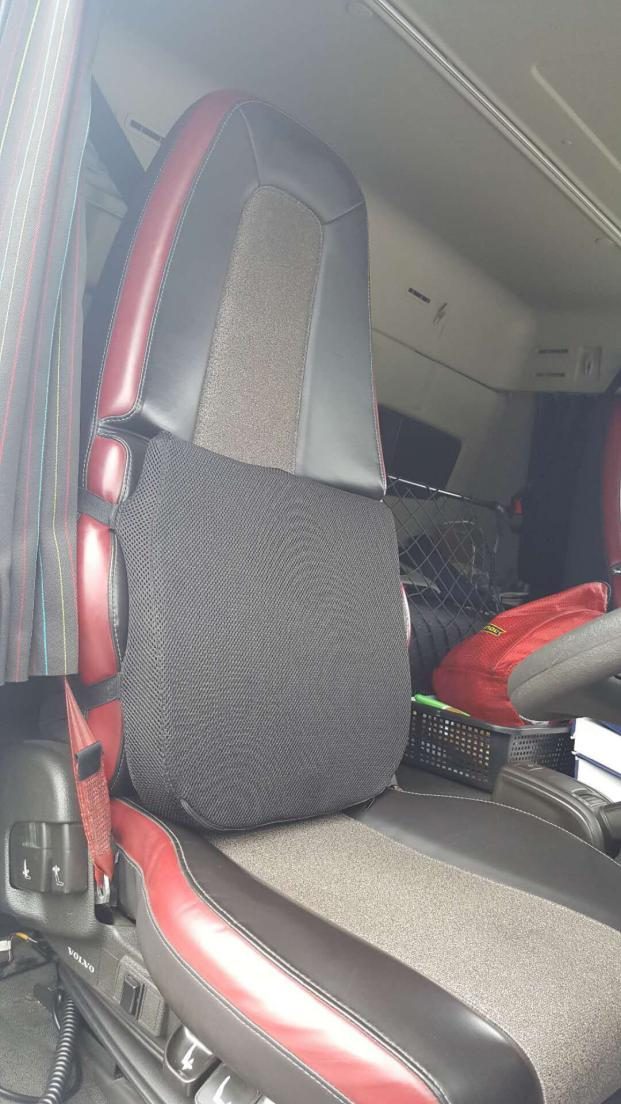
The deployment specified the AlwayCare MR688B-V4-PV system, upgraded with custom die-cast metal mounting arms, protective optical dust covers, and haptic vibration seat pads.
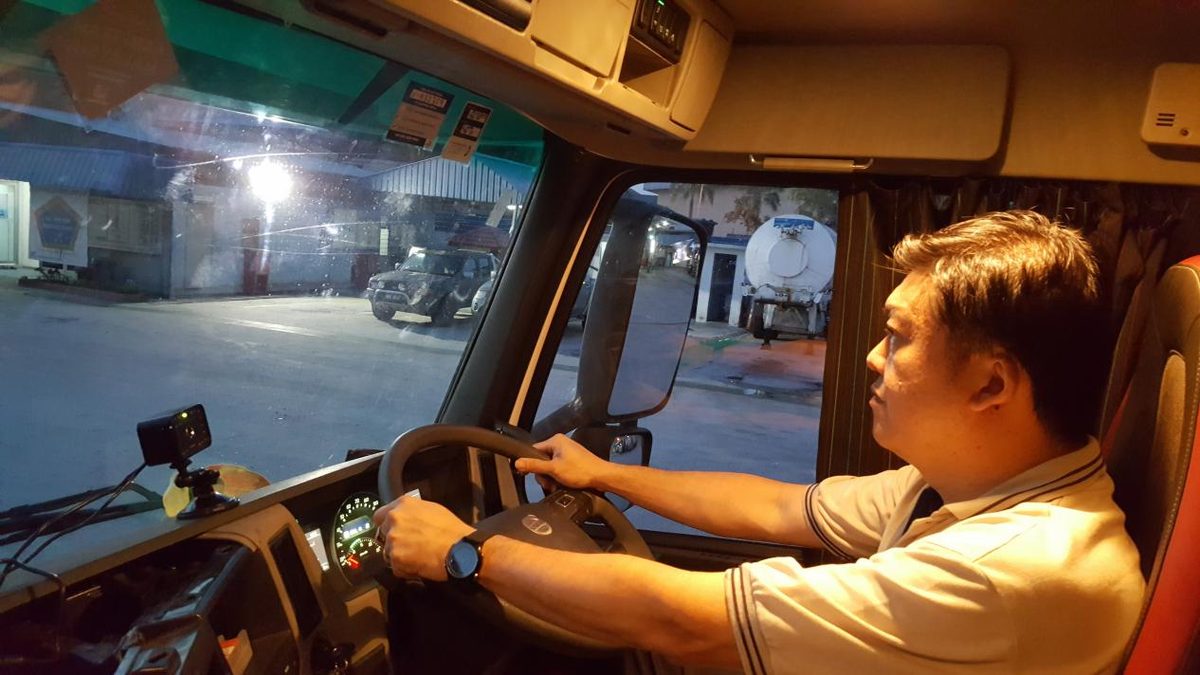
Installation teams mounted the MR688B assembly using rigid dash bolts, aligning optical axes within a strict +/-15 degree horizontal driver window. The protective glass shield allowed rapid wipe-down maintenance without scratching sensor optics.
The MR688B integrated with existing third-party telematics blackboxes via RS232, transmitting standardized alarm event strings containing timestamp, speed, and hazard severity classification.
Across the operational deployment lifecycle, active fleet safety metrics confirmed decisive improvements:
The reinforced alloy mounting bracket maintained exact optical alignment despite tens of thousands of kilometers over rough terrain. Dust-protected optical enclosures prevented optical lens degradation during periodic cab sanitization and industrial cleaning. Met stringent multinational chemical logistics audit standards across 6 ASEAN countries. The customized alloy enclosure features a physical key-lock mechanism covering the sensor's wiring harness and mounting adjustment bolts, preventing drivers from altering camera angles, unplugging connectors, or obstructing lenses without authorization. The mounting base is anchored with dual-axis locking fasteners rated to ISO 16750-3 commercial vehicle vibration standards, ensuring optical alignment remains steady across uneven asphalt and gravel corridors. All active fatigue alerting operates autonomously on local edge hardware without cellular connectivity. Telemetry event logs and incident video clips are cached on onboard solid-state storage and automatically uploaded when cellular reception resumes. Explore Related Technologies & Solutions:How Cross-Border Hazmat Fleets Enhance Driver Monitoring Durability
1. Executive Overview & Operational Context
Key Operational Constraints
2. System Architecture & Hardware Selection
Subsystem
Equipment Model
Primary Engineering Function
Fatigue Detection Unit
AlwayCare MR688B Commercial DMS
Specialized machine vision tracking head orientation, eyelid closure velocity, and cognitive distraction.
Protective Housing
Optical Anti-Dust Glass Shield
Industrial transparent lens barrier preventing chemical powder, airborne dust, and grime accumulation.
Mounting Assembly
Custom Heavy-Duty Metal Bracket
Double-lock articulated alloy bracket minimizing vibration drift on rough industrial pavement.
Physical Warning Unit
High-Output Haptic Seat Pad
Tactile pulse stimulation ensuring immediate driver arousal during overnight linehaul runs.
3. Field Installation & Cab Integration
4. Machine Vision Tracking & Cloud Dispatch Verification
5. Field Verification & Fleet Safety Outcomes
Stable Optical Calibration Retention:
Maintenance Longevity:
Regulatory Compliance:
6. Technical Architecture Specifications
Camera Housing Die-cast aluminum alloy with optical anti-scratch glass cover Signal Protocol RS232 ASCII serial stream with event severity flags Detection Distance 650mm – 950mm optimal focus range Operating Voltage DC 9V – 36V wide input with reverse polarity protection Vibration Resistance 10G industrial rating for heavy-duty commercial haulage 7. Frequently Asked Engineering Questions
How does the metal protective enclosure prevent unauthorized driver tampering or disconnection?
How does the equipment handle high-vibration off-road pavement during cross-border transit?
What happens if cellular data is unavailable during remote cross-border driving?