OEM Dash Cam and MDVR: What You Can Customize
OEM and ODM Guide
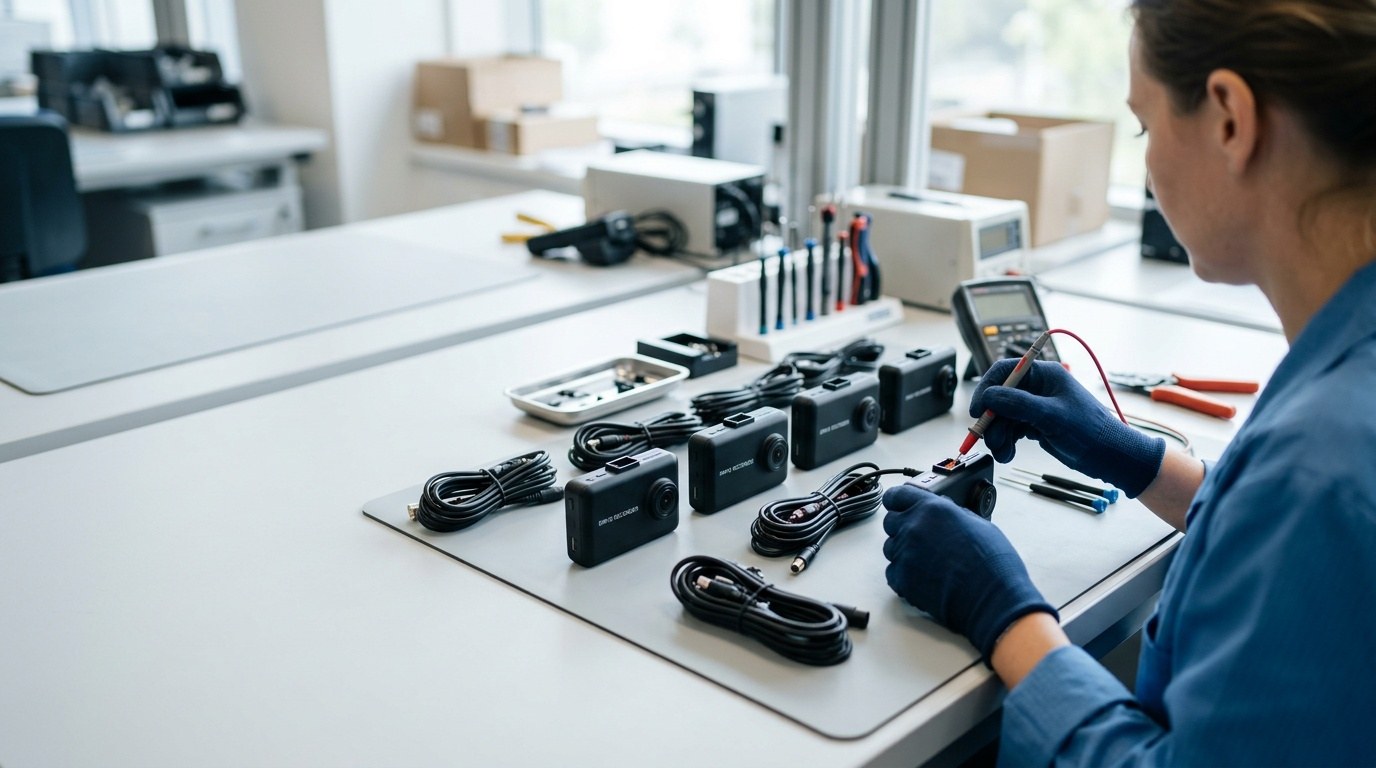
An OEM project for a dash cam or MDVR can be as light as your own branding on a proven model, or as deep as a new hardware design. The scope decides the cost, the lead time and the testing needed. This guide shows what can be customized and how a project runs. It describes the factory process, not a promise for every model.
Four ways to work together
| Mode | What changes | Fits best when |
|---|---|---|
| Private-label OEM | Branding on the housing, packaging, manual and boot screen | You want your name on a proven model quickly |
| Firmware and protocol | Protocol mapping, alarm triggers, interface and platform docking | You have your own platform or a specific protocol |
| Full ODM engineering | New circuit layout, lens choice, enclosure and thermal design | No existing model fits the product you want |
| Vehicle pre-fit | Factory installation packages for vehicle builders and upfitters | You fit equipment on the production line |
What can be customized
| Area | Examples listed in the OEM and ODM scope |
|---|---|
| Hardware | Housing, connectors, supply range and mounting |
| Firmware | Alarm thresholds, on-screen display, language of voice prompts |
| Protocols | JT/T 808 and 1078, Wialon, MQTT, RTSP and REST interfaces |
| Platform | Docking to your own cloud and remote firmware maintenance |
| Packaging | Boxes, manuals and labels |
Scope depends on the model and the project. Confirm what is possible for your target model in the requirement stage.
How a project runs
- Requirement alignment: vehicle types, operating conditions, certifications you need and the budget.
- Design and engineering: 3D structure, circuit design and the first protocol definition.
- Prototype samples: working samples and function checks.
- Validation: vibration, temperature and electrical tests that fit the target vehicle.
- Mass production and quality control: inspection, ageing and serial tracking.
Platforms you can start from
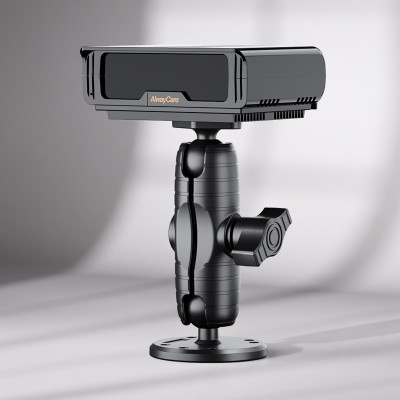
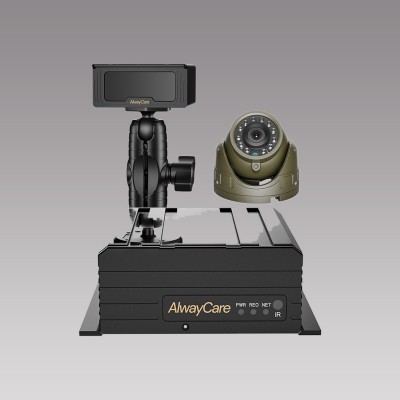
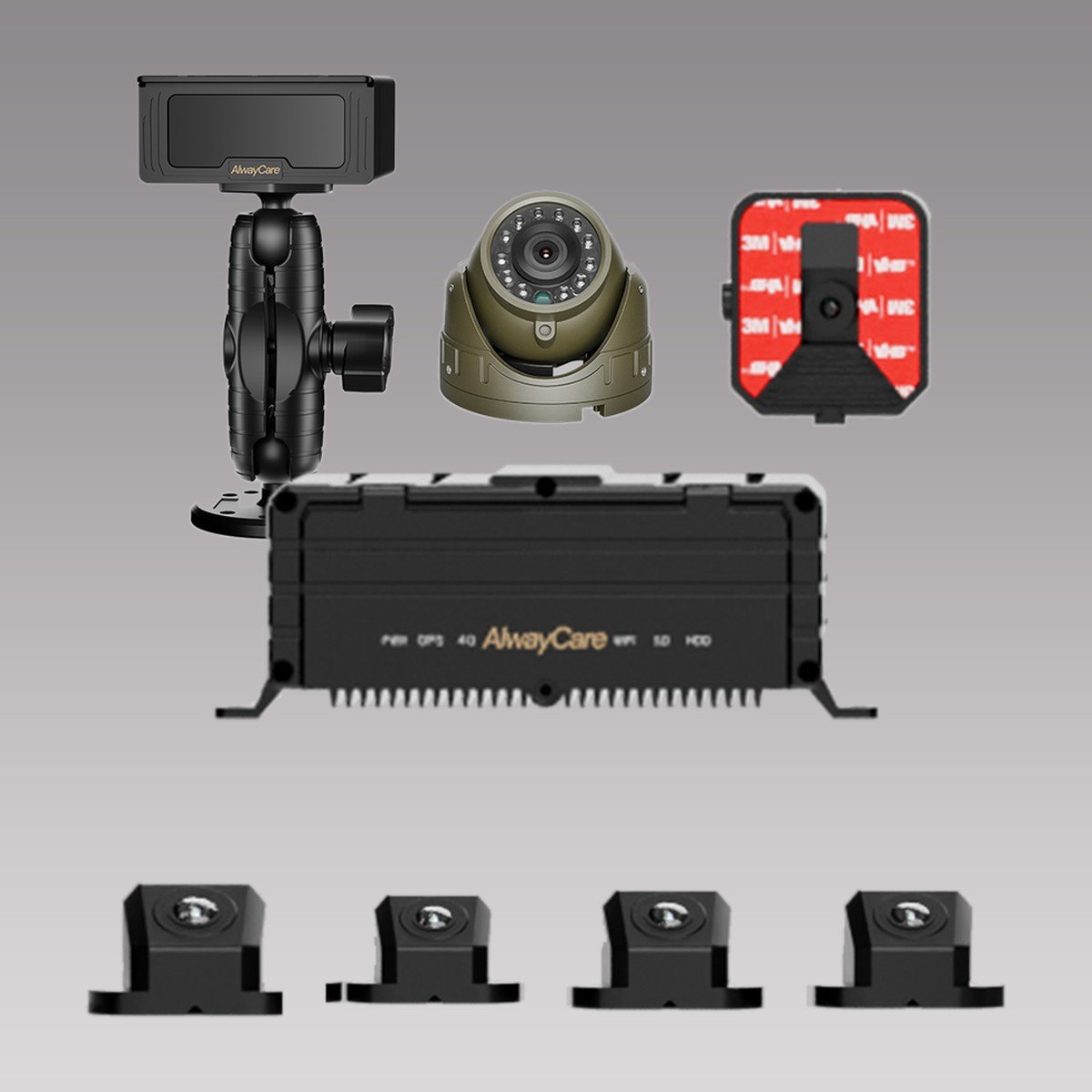
OEM projects often start from an existing platform and change what is needed. Two common starting points are the MR920, a 9-channel AI mobile DVR, and the MR910-D, a 4-channel AI MDVR with driver monitoring.
| Model | Type | Listed specifications |
|---|---|---|
| MR920 | 9-channel AI mobile DVR | 12/24V; 1920x1080; GPS and BeiDou; 4G or Wi-Fi; 512GB SD card; H.264/H.265; −20 to 70°C; warranty 15 months |
| MR700 | AI dashcam with ADAS and DMS options | 12/24V; 1920x1080; GPS; 4G or Wi-Fi; 512GB TF card; −20 to 70°C; warranty 15 months |
Questions buyers ask about OEM dash cams
What is the difference between OEM and ODM?
OEM usually means your branding and settings on an existing product. ODM means a new design built to your requirements.
Can the dash cam connect to my own platform?
Protocol and platform docking are part of the firmware scope. Confirm the protocol and the test method early.
Can the housing show my logo?
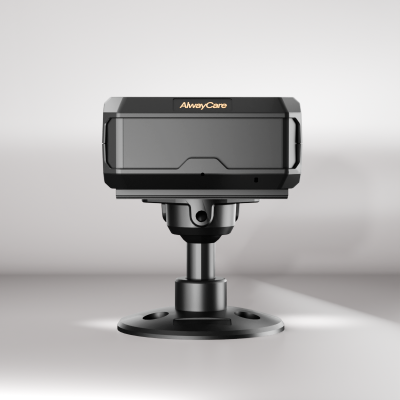
Private-label work includes branding on the housing, packaging and manual.
Do OEM products use the same warranty?
Warranty terms are set in the project agreement. The standard AlwayCare warranty on listed models is 15 months.
How long does a project take?
It depends on the scope. Branding on an existing model is faster than a new hardware design. Ask for a plan after the requirement stage.
For customization options and the OEM and ODM process in one place, see the OEM and ODM services.