
- View Full Category Page →
 Driver Monitoring System
(4 Models)
View Full Category Page →
Driver Monitoring System
(4 Models)
View Full Category Page → ADAS Anti-Collision
(2 Models)
View Full Category Page →
ADAS Anti-Collision
(2 Models)
View Full Category Page → Blind Spot Detection
(3 Models)
View Full Category Page →
Blind Spot Detection
(3 Models)
View Full Category Page → AI Dashcam
(3 Models)
View Full Category Page →
AI Dashcam
(3 Models)
View Full Category Page → AI Mobile DVR
(9 Models)
5-CH AI MDVR MR910 →MR910-DA 5-Channel AI MDVR with DMS9-CH AI MDVR MR920 →MR920 9-Channel AI Mobile DVR for Fleets13-CH AI MDVR MR930 →MR930 13-Channel AI MDVR for Fleet MonitoringMR910-BP →MR910-BP 5-Channel AI MDVR with BSD Blind-Spot & Pedestrian WarningMR920-360B →MR920-360B 9-Channel AI MDVR with 360° Panoramic AVM & BSD MonitoringMR920-360BA →MR920-360BA 9-Channel AI MDVR (360° AVM + BSD + ADAS Integration)MR920-DA →MR920-DA 9-Channel AI MDVR Telematics Terminal (DMS + ADAS Dual AI)MR920-DAB2 →MR920-DAB2 9-Channel AI MDVR (DMS + ADAS + Dual BSD All-in-One)MR930-DA360B →MR930-DA360B 13-Channel Ultra AI MDVR (DMS + ADAS + 360° AVM + BSD)View Full Category Page →
AI Mobile DVR
(9 Models)
5-CH AI MDVR MR910 →MR910-DA 5-Channel AI MDVR with DMS9-CH AI MDVR MR920 →MR920 9-Channel AI Mobile DVR for Fleets13-CH AI MDVR MR930 →MR930 13-Channel AI MDVR for Fleet MonitoringMR910-BP →MR910-BP 5-Channel AI MDVR with BSD Blind-Spot & Pedestrian WarningMR920-360B →MR920-360B 9-Channel AI MDVR with 360° Panoramic AVM & BSD MonitoringMR920-360BA →MR920-360BA 9-Channel AI MDVR (360° AVM + BSD + ADAS Integration)MR920-DA →MR920-DA 9-Channel AI MDVR Telematics Terminal (DMS + ADAS Dual AI)MR920-DAB2 →MR920-DAB2 9-Channel AI MDVR (DMS + ADAS + Dual BSD All-in-One)MR930-DA360B →MR930-DA360B 13-Channel Ultra AI MDVR (DMS + ADAS + 360° AVM + BSD)View Full Category Page → Mobile DVR
(5 Models)
View Full Category Page →
Mobile DVR
(5 Models)
View Full Category Page → Vehicle Cameras
(20 Models)
CC670 →CC670 Waterproof Infrared Truck CameraCC803 →CC803 Infrared HD Vehicle Camera for FleetsCC805 →CC805 IP68 Infrared Vehicle Camera for FleetsCC806-IPC400 →CC806-IPC400 4MP IP Vehicle CameraCC866-AHD20 →CC866-AHD20 Starlight Camera for Commercial FleetsCC866-AHD20 →CC866-AHD20 IP68 160° Wide-Angle Vehicle CameraCC877-AHD20 →CC877-AHD20 IP68 Starlight Truck CameraCC877-AHD20 →CC877-AHD20 IP68 140° Wide-Angle Vehicle CameraCC930 →CC930 Shockproof Infrared Vehicle CameraCC950-33V →CC950-33V Wide-Voltage IP68 Vehicle CameraCC960-AHD20 →CC960-AHD20 Dual HD Vehicle CameraCC962-AHD20 →CC962-AHD20 Dual Vehicle Camera for FleetsCC980-AHD20 →CC980-AHD20 Mini Reversing Camera for FleetsCC980-W →CC980-W IP68 Wi-Fi Vehicle Camera for FleetsCC990 →CC990 IP68 Starlight Vehicle Camera for Bus FleetsCC995-AHD20 →CC995-AHD20 IP69K Explosion-Proof Vehicle CameraCC998-AHD20 →CC998-AHD20 Waterproof Wi-Fi Vehicle CameraCC998-AHD20 →CC998-AHD20 Mini IP68 Vehicle Camera for LorriesCC1002-4GPS →CC1002-4GPS 4G GPS Vehicle Camera for FleetsCC1005-AH20R →CC1005-AH20R Radar Vehicle Camera for FleetsView Full Category Page →
Vehicle Cameras
(20 Models)
CC670 →CC670 Waterproof Infrared Truck CameraCC803 →CC803 Infrared HD Vehicle Camera for FleetsCC805 →CC805 IP68 Infrared Vehicle Camera for FleetsCC806-IPC400 →CC806-IPC400 4MP IP Vehicle CameraCC866-AHD20 →CC866-AHD20 Starlight Camera for Commercial FleetsCC866-AHD20 →CC866-AHD20 IP68 160° Wide-Angle Vehicle CameraCC877-AHD20 →CC877-AHD20 IP68 Starlight Truck CameraCC877-AHD20 →CC877-AHD20 IP68 140° Wide-Angle Vehicle CameraCC930 →CC930 Shockproof Infrared Vehicle CameraCC950-33V →CC950-33V Wide-Voltage IP68 Vehicle CameraCC960-AHD20 →CC960-AHD20 Dual HD Vehicle CameraCC962-AHD20 →CC962-AHD20 Dual Vehicle Camera for FleetsCC980-AHD20 →CC980-AHD20 Mini Reversing Camera for FleetsCC980-W →CC980-W IP68 Wi-Fi Vehicle Camera for FleetsCC990 →CC990 IP68 Starlight Vehicle Camera for Bus FleetsCC995-AHD20 →CC995-AHD20 IP69K Explosion-Proof Vehicle CameraCC998-AHD20 →CC998-AHD20 Waterproof Wi-Fi Vehicle CameraCC998-AHD20 →CC998-AHD20 Mini IP68 Vehicle Camera for LorriesCC1002-4GPS →CC1002-4GPS 4G GPS Vehicle Camera for FleetsCC1005-AH20R →CC1005-AH20R Radar Vehicle Camera for FleetsView Full Category Page → AI Cameras
(4 Models)
View Full Category Page →
AI Cameras
(4 Models)
View Full Category Page → Wireless Cameras
(14 Models)
CC981 →CC981-W Solar-Powered Magnetic Wireless Vehicle Backup CameraCC981-W →CC981-W Solar-Powered Wireless Vehicle CameraCC982-W →CC982-W IP68 Wireless Camera with Laser GuideDP240-1 →DP240-1 Wireless Monitor and Night-Vision Camera KitWP210 →WP210 7" Waterproof Wireless Reversing Monitor Kit (Single Camera)WP210-A →WP210-A 7" Waterproof Wireless Monitor Kit (Dual Camera Package)WP210-B →WP210-B 7" Waterproof Wireless Quad-View System (4-Camera Package)WP220 →WP220 7" Digital Wireless Dual-Channel Monitor & Reversing Camera KitWP230 →WP230 7" Touch-Button Digital Wireless Commercial Vehicle Monitor KitWP235 →WP235 7" Digital Wireless Dual-Split Monitor Kit (Dual Camera Package)WP235-A →WP235-A 7" Digital Wireless Dual-Split Monitor Kit (Single Camera)WP240-A →WP240-A 7" Digital Wireless Dual-Split Monitor Kit (2-Camera Package)WP240-B →WP240-B 7" Digital Wireless Quad-Split Monitor Kit (4-Camera Package)WP250-B →WP250-B 10.1" Full 4-Camera Wireless Quad-Split Commercial Fleet KitView Full Category Page →
Wireless Cameras
(14 Models)
CC981 →CC981-W Solar-Powered Magnetic Wireless Vehicle Backup CameraCC981-W →CC981-W Solar-Powered Wireless Vehicle CameraCC982-W →CC982-W IP68 Wireless Camera with Laser GuideDP240-1 →DP240-1 Wireless Monitor and Night-Vision Camera KitWP210 →WP210 7" Waterproof Wireless Reversing Monitor Kit (Single Camera)WP210-A →WP210-A 7" Waterproof Wireless Monitor Kit (Dual Camera Package)WP210-B →WP210-B 7" Waterproof Wireless Quad-View System (4-Camera Package)WP220 →WP220 7" Digital Wireless Dual-Channel Monitor & Reversing Camera KitWP230 →WP230 7" Touch-Button Digital Wireless Commercial Vehicle Monitor KitWP235 →WP235 7" Digital Wireless Dual-Split Monitor Kit (Dual Camera Package)WP235-A →WP235-A 7" Digital Wireless Dual-Split Monitor Kit (Single Camera)WP240-A →WP240-A 7" Digital Wireless Dual-Split Monitor Kit (2-Camera Package)WP240-B →WP240-B 7" Digital Wireless Quad-Split Monitor Kit (4-Camera Package)WP250-B →WP250-B 10.1" Full 4-Camera Wireless Quad-Split Commercial Fleet KitView Full Category Page → 360° Around View
(3 Models)
View Full Category Page →
360° Around View
(3 Models)
View Full Category Page → Radar Detection
(2 Models)
View Full Category Page →
Radar Detection
(2 Models)
View Full Category Page → UWB Proximity Warning
(1 Models)
View Full Category Page →
UWB Proximity Warning
(1 Models)
View Full Category Page → Vehicle Monitors
(17 Models)
DP210 →DP210 7-Inch Waterproof Vehicle MonitorDP210-B →DP210-B 7" IP68 Waterproof Heavy-Duty Commercial Vehicle MonitorDP210-C →DP210-C 7" IP68 Waterproof Dual-Channel Vehicle MonitorDP230 →DP230 7-Inch Automatic Vehicle Monitor for BusesDP230-5 →DP230-5 7-Inch Vehicle Monitor with Video RecordingDP230-A →DP230-A 7" Quad-Split 4-Channel Commercial Vehicle MonitorDP230-SD →DP230-SD 7" Standard Definition Commercial Vehicle MonitorDP270-A →DP270-A 10.1" Single-View High-Clarity In-Cab Vehicle MonitorDP275 →DP275 10.1-Inch Full-Angle Vehicle MonitorDP285 →DP285 10.1-Inch Multi-View Vehicle MonitorDP285-A →DP285-A 10.1" Large-Format Quad-Split In-Cab Fleet MonitorDP300 →DP300 11.6-Inch HD Vehicle Monitor for TrucksDP312 →DP312 7" HD Commercial Vehicle Monitor with VGA & CVBS Dual InputDP400 →DP400 AI Mirror Monitor for Extreme TemperaturesDP960 →DP960 4.3-Inch Vehicle Reversing MonitorDP970 →DP970 4.3" Compact In-Cab Commercial Vehicle MonitorDP1016 →DP1016 10.1" IPS 8-Channel Split-Screen Commercial Vehicle DisplayView Full Category Page →
Vehicle Monitors
(17 Models)
DP210 →DP210 7-Inch Waterproof Vehicle MonitorDP210-B →DP210-B 7" IP68 Waterproof Heavy-Duty Commercial Vehicle MonitorDP210-C →DP210-C 7" IP68 Waterproof Dual-Channel Vehicle MonitorDP230 →DP230 7-Inch Automatic Vehicle Monitor for BusesDP230-5 →DP230-5 7-Inch Vehicle Monitor with Video RecordingDP230-A →DP230-A 7" Quad-Split 4-Channel Commercial Vehicle MonitorDP230-SD →DP230-SD 7" Standard Definition Commercial Vehicle MonitorDP270-A →DP270-A 10.1" Single-View High-Clarity In-Cab Vehicle MonitorDP275 →DP275 10.1-Inch Full-Angle Vehicle MonitorDP285 →DP285 10.1-Inch Multi-View Vehicle MonitorDP285-A →DP285-A 10.1" Large-Format Quad-Split In-Cab Fleet MonitorDP300 →DP300 11.6-Inch HD Vehicle Monitor for TrucksDP312 →DP312 7" HD Commercial Vehicle Monitor with VGA & CVBS Dual InputDP400 →DP400 AI Mirror Monitor for Extreme TemperaturesDP960 →DP960 4.3-Inch Vehicle Reversing MonitorDP970 →DP970 4.3" Compact In-Cab Commercial Vehicle MonitorDP1016 →DP1016 10.1" IPS 8-Channel Split-Screen Commercial Vehicle DisplayView Full Category Page → AI Passenger Counter
(10 Models)
PC15 →PC15 Single-Channel AI Passenger Counter for BusesPC16 →PC16 2-Channel Standalone AI Passenger CounterPC22 →PC22 AI Passenger Counter with 4CH MDVRPC23 →PC23 AI Passenger Counter for School Bus FleetsPC25 →PC25 AI Passenger Counter with 4CH MDVR & DMSPC26 →PC26 AI Passenger Counter with 4CH MDVR & DMSPC27 →PC27 AI Passenger Counter with 4CH MDVR & DMSPC28 →PC28 AI Passenger Counter with 4CH MDVRPC36 →PC36 AI Passenger Counter with 8CH MDVR & DMSPC37 →PC37 AI Passenger Counter with 8CH MDVR & DMS/ADAS/BSDView Full Category Page →
AI Passenger Counter
(10 Models)
PC15 →PC15 Single-Channel AI Passenger Counter for BusesPC16 →PC16 2-Channel Standalone AI Passenger CounterPC22 →PC22 AI Passenger Counter with 4CH MDVRPC23 →PC23 AI Passenger Counter for School Bus FleetsPC25 →PC25 AI Passenger Counter with 4CH MDVR & DMSPC26 →PC26 AI Passenger Counter with 4CH MDVR & DMSPC27 →PC27 AI Passenger Counter with 4CH MDVR & DMSPC28 →PC28 AI Passenger Counter with 4CH MDVRPC36 →PC36 AI Passenger Counter with 8CH MDVR & DMSPC37 →PC37 AI Passenger Counter with 8CH MDVR & DMS/ADAS/BSDView Full Category Page → Accessories
(12 Models)
AL-GS10 →AL-GS10 GPS Tracker for Commercial Truck FleetsExtension Cable →4-Pin Aviation Extension Cable for Vehicle CamerasFuel Level Sensor →Fuel Level Sensor for Commercial Vehicle FleetsG402 →G402 4G GPS & BeiDou Fleet Tracking TerminalG405 →G405 4G GPS & BeiDou Vehicle Tracking TerminalInterphone →Real-Time Vehicle Intercom for Fleet SystemsMetal Bracket →Waterproof Metal Mounting Bracket for DMS DevicesTF/ SD Card →High-Speed TF/SD Memory Card for Mobile DVRTire Pressure Sensor →Tire Pressure Sensor for Commercial Vehicle FleetsVibration Cushion →Vibration Seat Cushion for Driver Warning SystemsVibration Motor →Vibration Motor for Driver Warning SystemsWarning Light →Alarm Warning Light for ADAS Vehicle Systems
Accessories
(12 Models)
AL-GS10 →AL-GS10 GPS Tracker for Commercial Truck FleetsExtension Cable →4-Pin Aviation Extension Cable for Vehicle CamerasFuel Level Sensor →Fuel Level Sensor for Commercial Vehicle FleetsG402 →G402 4G GPS & BeiDou Fleet Tracking TerminalG405 →G405 4G GPS & BeiDou Vehicle Tracking TerminalInterphone →Real-Time Vehicle Intercom for Fleet SystemsMetal Bracket →Waterproof Metal Mounting Bracket for DMS DevicesTF/ SD Card →High-Speed TF/SD Memory Card for Mobile DVRTire Pressure Sensor →Tire Pressure Sensor for Commercial Vehicle FleetsVibration Cushion →Vibration Seat Cushion for Driver Warning SystemsVibration Motor →Vibration Motor for Driver Warning SystemsWarning Light →Alarm Warning Light for ADAS Vehicle Systems
High-Altitude Hazmat & Mining Transport: Heavy Logistics Driver Safety System (1,500 Units in Peru, Ecuador & Bolivia)
Serving Tier-1 global copper and polymetallic mining operations (including MMG Las Bambas logistics corridors), this project deployed 1,500 AlwayCare safety units across heavy road tankers and ore haulage trucks operating under extreme high-altitude conditions.
The deployment combined the AlwayCare MR688-RS232 optical sensor with heavy-duty vibration seat pads and integrated third-party satellite telematics terminals.
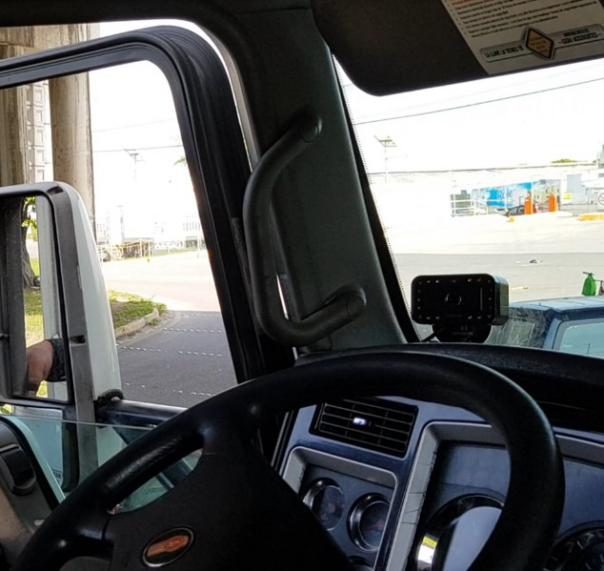
Installation was carried out at regional fleet depots in Arequipa, Lima, and Cusco. Heavy brackets secured the optical sensor to the dashboard, and cables were shielded with corrugated automotive conduits.
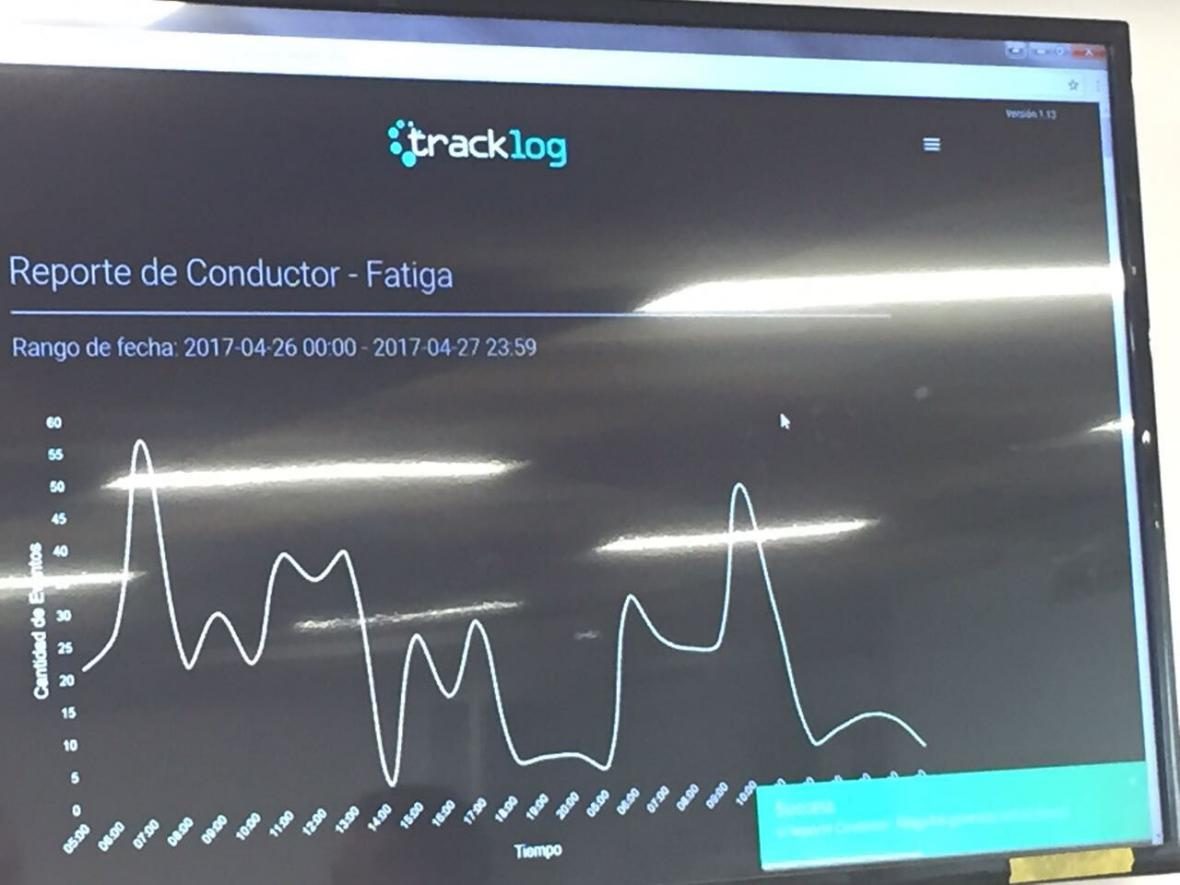
Upon detecting eye closure, the MR688 issues localized voice warnings and activates seat vibration. High-severity events trigger RS232 packets to the satellite transceiver, updating mining safety dispatchers.
Across the operational deployment lifecycle, active fleet safety metrics confirmed decisive improvements:
Direct tactile seat vibration proved critical in counteracting altitude-induced lethargy and micro-naps. Maintained full optical clarity and operational capability down to -25°C in high mountain passes. Enabled the transport contractor to meet rigorous international mining safety audits. Explore Related Technologies & Solutions:High-Altitude Hazmat & Mining Transport: Heavy Logistics Driver Safety System (1,500 Units in Peru, Ecuador & Bolivia)
1. Executive Overview & Operational Context
Key Operational Constraints
2. System Architecture & Hardware Selection
Subsystem
Equipment Model
Primary Engineering Function
Driver Facial Tracker
AlwayCare MR688-RS232
High-altitude calibrated machine vision processor tracking eye blink duration, yawning frequency, and head nod.
Haptic Alert Unit
Heavy-Duty Vibration Cushion
High-intensity physical tactile vibration alerting drivers experiencing hypoxia-related fatigue.
Telemetry Gateway
Satellite/Cellular Fleet Modem
Hybrid transmission relaying real-time fatigue event snapshots across remote mountain stretches.
Power Regulation
Isolated Power Conditioning
Heavy-duty filtering withstanding extreme battery fluctuations during sub-zero engine cold-starts.
3. Field Installation & Cab Integration
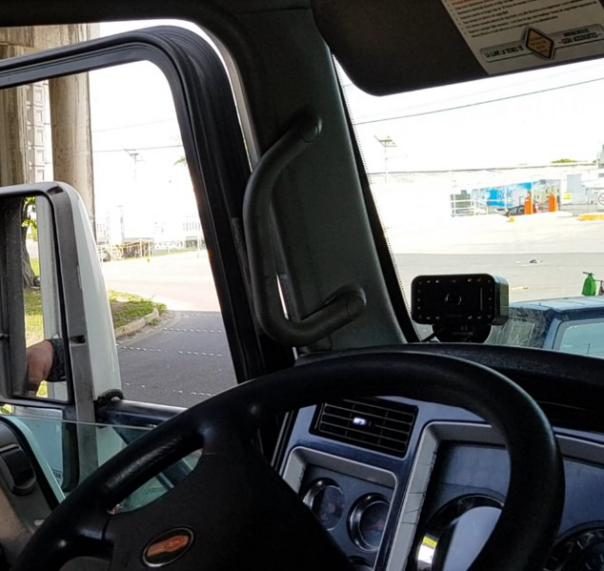

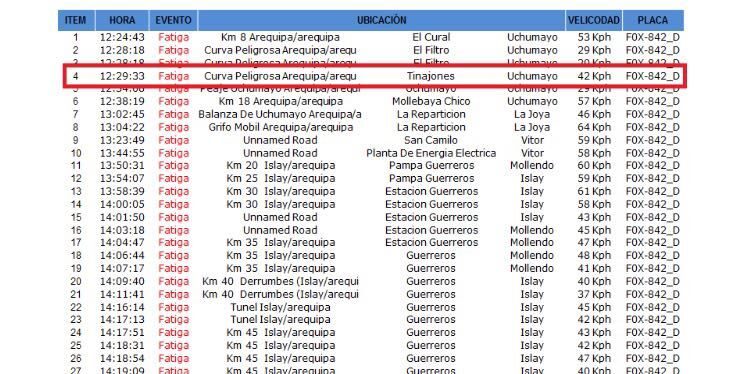
4. Machine Vision Tracking & Cloud Dispatch Verification
5. Field Verification & Fleet Safety Outcomes
Mitigation of Hypoxia Drowsiness:
Reliable Extreme Cold Operation:
Audit Certification Compliance:
6. Technical Architecture Specifications
Operational Altitude Tested and verified up to 4,800 meters above sea level Alert Latency Under 100ms from threshold breach to haptic and acoustic alert Operating Temperature -30°C to +70°C high-altitude rated Interface Protocol RS232 serial telemetry linked to fleet GPS/satellite terminal