

Automatic Passenger Counting Systems for Buses: A Practical Guide
Automatic passenger counting guide
An automatic passenger counting system records how many people board and leave a bus at each monitored door. When count data is matched with time, vehicle, route, and location data, fleet teams can compare demand by stop and trip instead of relying only on occasional manual checks.
APC data is useful only when the system is installed correctly, validated in the real operating environment, and connected to a reporting workflow. This guide explains how bus passenger counters work, what the data can support, and which questions to ask before deployment.
What Is an Automatic Passenger Counting System?
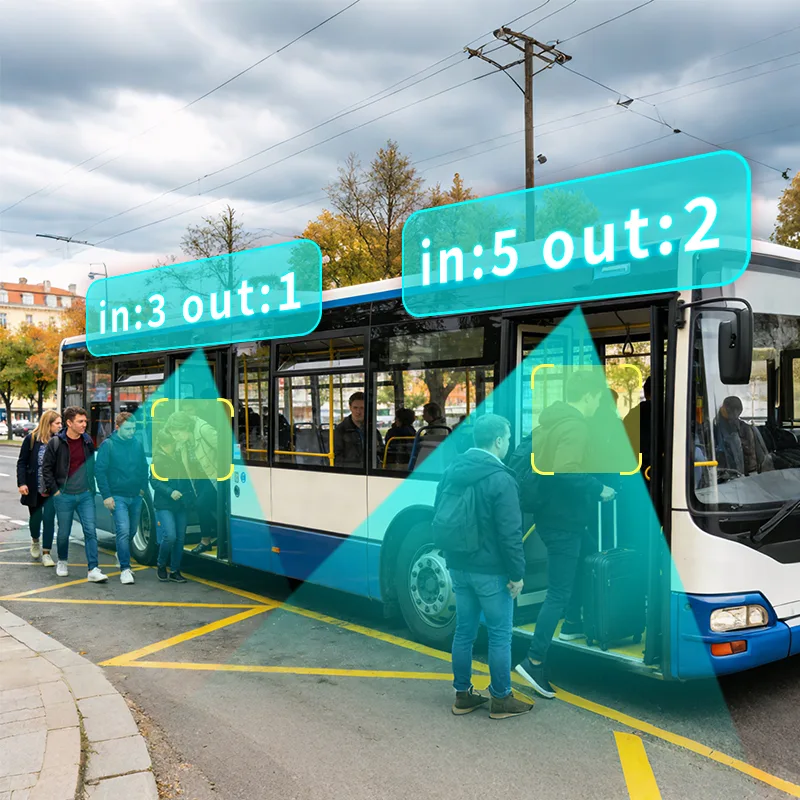
An automatic passenger counting system, usually shortened to APC, uses sensors or cameras at vehicle doors to measure boardings and alightings. A complete deployment may also associate each count with a timestamp, vehicle identifier, route, trip, stop, or location.
This is different from automatic fare collection. Fare systems record transactions, while APC systems are designed to count passenger movement at the door. Comparing the two datasets can be useful, but they answer different operational questions.
Direct answer
For a multi-door bus, each active passenger door normally needs to be covered. Missing a door creates an incomplete count, regardless of how accurate the monitored sensor is.
How Does AI Passenger Counting Work on a Bus?
- Detect movement at the door. A camera or sensor observes the defined boarding and alighting zone.
- Determine direction. The counting logic distinguishes passengers entering from passengers leaving.
- Create a count record. The system stores the event with available time, vehicle, channel, or location data.
- Send data for review. Records are synchronized with a fleet platform or exported for route, stop, and trip analysis.
AI-based vision can help distinguish passenger movement in complex scenes, but it does not remove the need for correct mounting, calibration, and field validation.

What Ridership Data Can Fleet Teams Use?
| Data point | Operational question it can support | Validation needed |
|---|---|---|
| Boardings and alightings | Where do passengers enter and leave? | Direction and door coverage |
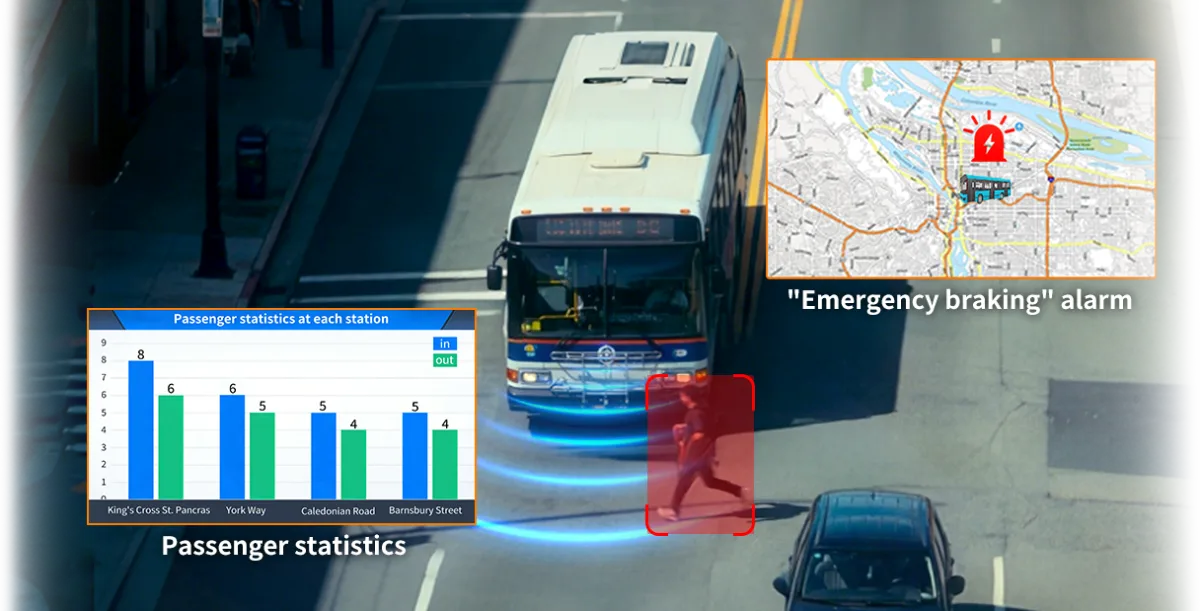
| Passenger load | Which trip segments approach planned capacity? | Starting load and count reconciliation |
| Stop and time trends | When and where does demand change? | Accurate time and location matching |
| Route comparisons | Which services need closer scheduling review? | Consistent sampling across vehicles and routes |
These records can support planning discussions about schedules, vehicle assignment, service frequency, and crowding. They do not automatically prove revenue gains, subsidy eligibility, or service changes; those decisions require local policy, financial, and operational analysis.
What Affects Passenger-Counting Accuracy?
APC accuracy is a deployment result, not just a number on a specification sheet. Real-world performance can change with passenger density, simultaneous boarding and alighting, door width, mounting height, camera angle, lighting, vibration, obstructions, and calibration.
- Define the measurement: agree on whether accuracy is evaluated per door, stop, trip, or day.
- Document test conditions: include busy periods, low light, different passenger flows, and relevant vehicle types.
- Compare with ground truth: use controlled manual counts or reviewed recordings for a representative sample.
- Monitor data completeness: track missing trips, offline devices, synchronization failures, and count drift.
- Revalidate after changes: repeat checks after moving a sensor, changing a door layout, or updating counting logic.
Fact-check basis: guidance from the American Public Transportation Association and the National Center for Applied Transit Technology treats validation, door coverage, data completeness, and operating conditions as core APC considerations.
How Should a Fleet Evaluate an APC System?
Vehicle and door fit
Confirm the number of doors, mounting space, field of view, power, vibration, operating temperature, and installation constraints.
Counting objective
Define whether the project needs boarding and alighting totals, door-level data, stop matching, passenger load, or route analysis.
Data workflow
Confirm connectivity, storage, synchronization, export format, platform access, reporting responsibility, and exception handling.
Acceptance test
Agree on sample size, ground-truth method, acceptable error, missing-data limits, and the process for recalibration.
Privacy and security
Document the lawful purpose, notices, access controls, retention period, security measures, and local requirements for video and passenger data.
Support and maintenance
Identify who monitors device health, resolves offline units, reviews anomalies, updates software, and validates performance over time.
Where Does AlwayCare PC23 Fit?
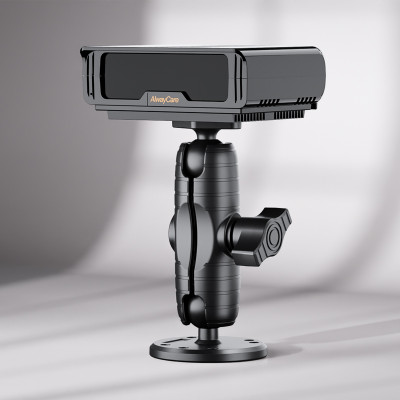
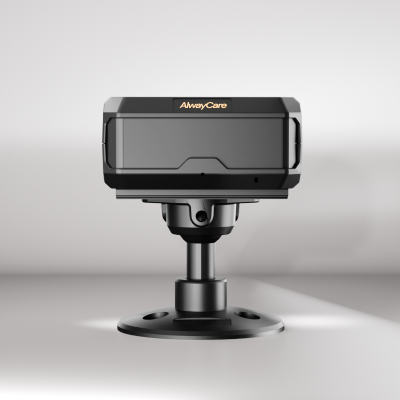
The AlwayCare PC23 AI Passenger Counter combines two passenger-counting channels with four-channel video monitoring for school-bus and fleet applications. Its current structured product record lists GPS and Beidou positioning, 4G or Wi-Fi communication, H.264/H.265 video encoding, and optional I/O or RS232.
PC23 may suit projects that need two monitored passenger-flow channels plus onboard video recording. DMS and ADAS are described as optional integrations, not standard functions. The product page mentions a below-2% error rate in older body content, but no public test protocol is supplied; the appropriate acceptance threshold should therefore be verified on the intended doors and passenger flow.
Automatic Passenger Counting FAQ
Is an automatic passenger counter the same as a fare system?
No. An APC measures boarding and alighting activity, while a fare system records payment transactions. The datasets can be compared, but they are not interchangeable.
Does every bus door need a counter?
Every door used by passengers should be covered if the goal is a complete vehicle count. The exact sensor layout depends on door width, flow pattern, and the selected system.
Can APC data show passenger load?
Boardings minus alightings can support a running load estimate when the starting load and all relevant doors are accounted for. Count drift and missing records must be reconciled.
Is a quoted accuracy percentage enough to select a system?
No. Ask how the percentage was calculated, under which conditions, at what aggregation level, and how missing or invalid data was handled.
What should happen before fleet-wide rollout?
Run a representative pilot, compare counts with ground truth, verify data synchronization, document exceptions, and agree on acceptance criteria and maintenance ownership.
Key Takeaway
Automatic passenger counting can provide more complete boarding and alighting data than occasional manual samples. The business value comes from reliable door coverage, verified accuracy, complete data, and a clear process for using the results. Fleets considering PC23 should define those requirements before specifying hardware or scaling a deployment. For project-specific compatibility, use the technical record on the PC23 product page or contact AlwayCare.