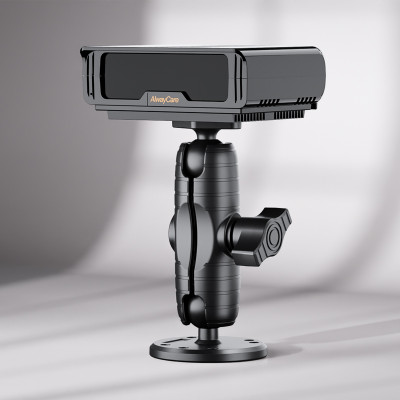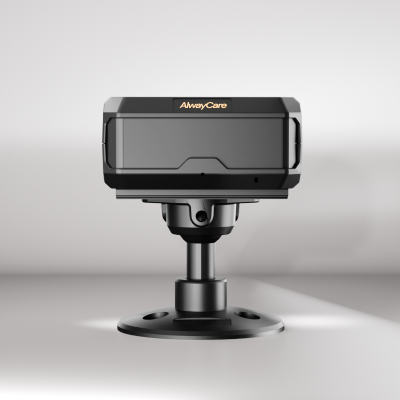


DMS watches the driver — fatigue, distraction, phone use. ADAS watches the road ahead — lane position, closing speed, collision risk. An AI dashcam is the device that can carry both functions, plus recording. They are layers of one system, not alternatives: most fleets end up running all three in a single dual-facing device.
The one-sentence version
- DMS (Driver Monitoring System) — camera pointed at the driver, watching the person.
- ADAS (Advanced Driver Assistance System) — camera pointed at the road, watching the scene.
- AI dashcam — a recording device with onboard AI that can host DMS, ADAS, or both.
The three compared
| Factor | DMS | ADAS | AI Dashcam |
|---|---|---|---|
| Watches | The driver in the cabin | The road ahead | Road and/or cabin, depending on lenses |
| Typical alerts | Fatigue, distraction, phone use, no seatbelt | Lane departure, forward collision risk, headway | All of the above, plus event recording |
| Output | In-cab warning + event clip | In-cab warning + event clip | Alerts + recorded evidence + platform upload |
| Hardware | Dedicated DMS camera or built into a dashcam | Forward camera with road-reading AI | Dual-facing camera with edge AI |
| Best described as | A function | A function | A device |
The common confusion, cleared: DMS and ADAS are functions. An AI dashcam is a device that can run them. When a seller says "our dashcam has DMS and ADAS," they mean one dual-facing device running both functions.
Regulation backs this up: the EU's General Safety Regulation requires drowsiness and attention warning on all new vehicles sold in the EU since July 2024 — the DMS layer is moving from optional to required in major markets.
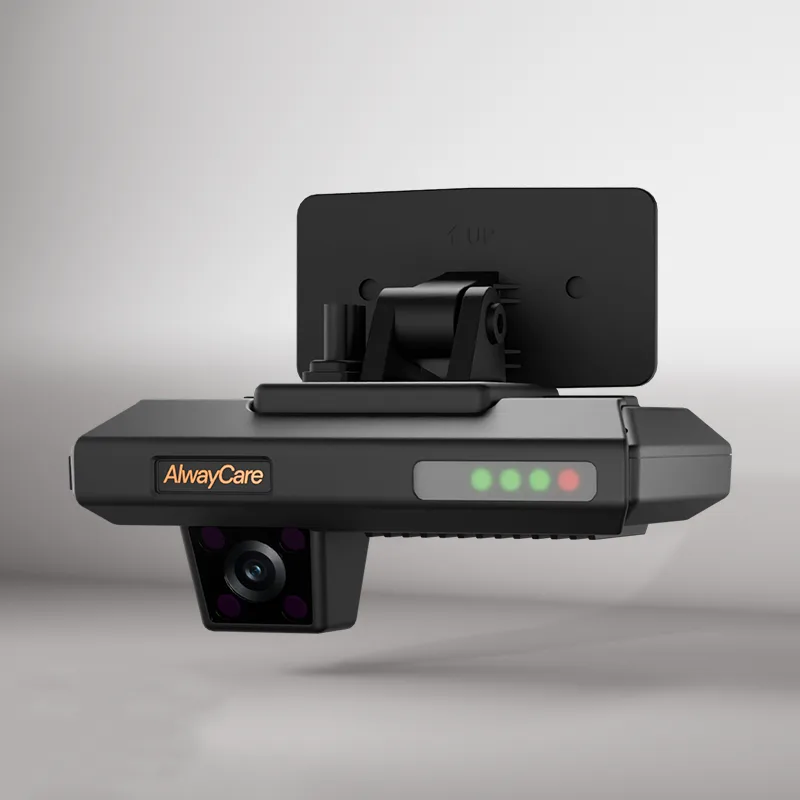
One dual-facing device can run both DMS and ADAS functions.
How the layers work together
A single scenario shows why fleets run both:
A driver starts nodding off at 2 a.m. The DMS layer sees eye closure and head dip and warns the driver — before the vehicle ever leaves its lane. If the drift happens anyway, the ADAS layer fires a lane-departure warning. The event is recorded from both lenses and uploaded for review.
The layers catch different failure modes: DMS addresses the driver's condition; ADAS addresses the road situation. A tired driver can sit perfectly centered in the lane; a perfectly alert driver can still face a sudden hazard. One layer alone leaves the other gap open.
What this means for fleet coaching
- Events, not footage. Modern systems upload the seconds around a triggered event, not continuous video — manageable to review and easier on driver privacy.
- Coach on the clip. Showing a driver their own distraction event changes the conversation from "we monitor you" to "this is what happened."
- Watch the false-alert rate. A system that cries wolf trains drivers to ignore it. Test on your real routes — night runs included — before fleet-wide rollout; misalert causes and testing deserve their own review.
Where these systems reach their limits
Stated plainly, because every serious vendor should:
- Cameras need line of sight — blocked or dirty lenses degrade detection.
- Night, glare, and heavy weather challenge all camera-based functions; performance varies by product.
- Alerts support the driver; they do not steer, brake, or replace training and safe-following practices.
- Detection of a behavior is not a judgment of the driver — set a written policy on how footage is used before rollout, because driver acceptance depends on it.
Frequently asked questions
Is DMS part of ADAS? They are usually treated as separate layers. ADAS conventionally covers road-facing assistance; DMS covers driver-state monitoring. Devices can host both, which is why the terms get mixed in marketing.
Can one dashcam really do both DMS and ADAS? Yes — a dual-facing AI dashcam runs road-facing and driver-facing analysis at the same time. Confirm which events are supported and how alerts are delivered, since capability varies by model.
Which matters more for long-haul fleets? Both layers matter, and they cover different gaps: fatigue and distraction for long hours (DMS), road hazards in all conditions (ADAS). The practical answer is to evaluate both on your own routes.
Will drivers accept driver-facing cameras? Acceptance depends on policy more than hardware. Fleets that use footage for coaching and driver protection — with a written policy — see far less resistance than fleets perceived as surveilling.
Do these alerts upload to a fleet platform? On connected devices, yes — event clips with time, location, and speed can upload for review. Continuous streaming is a different feature; confirm what uploads and when before you buy.
Put the layers together for your fleet
Send us your vehicle types and routes — we will recommend a DMS, ADAS and recording setup that fits, with a pilot test plan for your real operating conditions.
- Start from our DMS, ADAS and AI Dashcam product lines.
- Deeper dives: Driver Monitoring Systems: Functions, Limits and Fleet Use and ADAS for Commercial Fleets.