Home / All / Logistics and transportation FAQ / Which camera positions does a long-haul truck usually need?
Which camera positions does a long-haul truck usually need?
A typical long-haul truck uses a forward road camera, a driver-facing camera, side cameras for blind spots and a rear camera.
These views are recorded by a multi-channel MDVR or a multi-channel AI dashcam. The exact layout depends on the cab, trailer and the evidence you need after an incident.
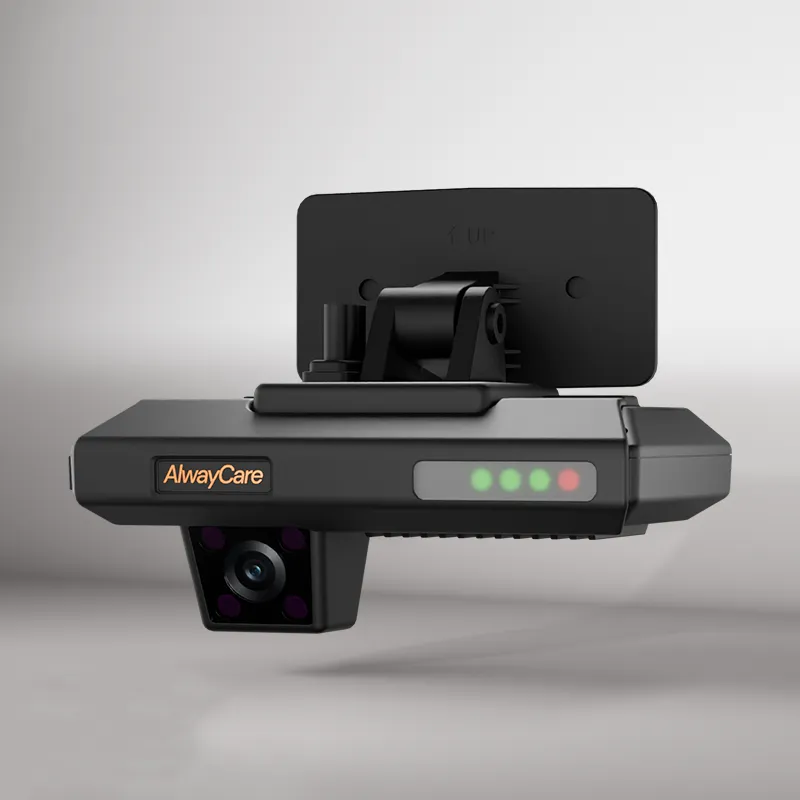
Front and cab
A road-facing camera for ADAS and incident video, and a driver-facing camera for DMS alerts.

Sides
Side cameras or BSD cameras cover the blind zones used when turning and changing lanes.
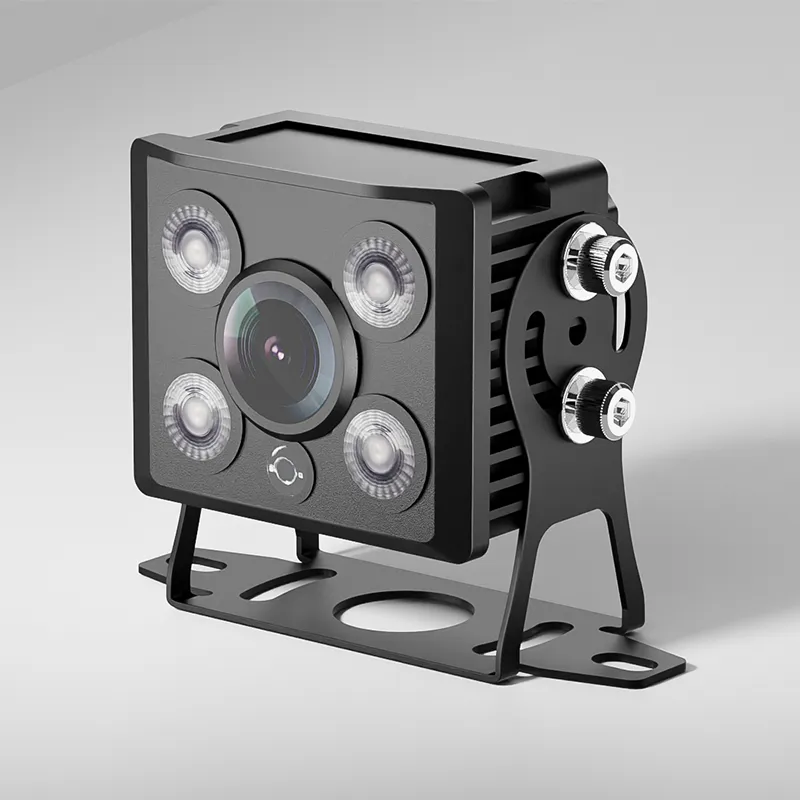
Rear and trailer
A rear camera supports reversing and records what happens behind the trailer.
Before you deploy
- Plan channels before choosing the recorder; add a spare channel if cargo or trailer views may be needed later.
- Check local rules on camera placement and recording in the driver's cab.
FAQs
- Logistics and transportation FAQ
- Vehicle Manufacturer FAQ
- Mining Fleet FAQ
- Hazardous Chemicals Fleet FAQ
- School Bus Fleet FAQ
- Public Bus Fleet FAQ
- Forklift Fleet FAQ
- Insurance FAQ
- Government and Public Safety FAQ
- In-vehicle Camera Solution FAQ
- Vehicle Positioning Solution FAQ
- Vehicle Surveillance Video Solution FAQ
- 360-degree Detection Solution FAQ
- Blind Spot Solution FAQ
- Anti-Fatigue Solution FAQ
- Anti-collision solution FAQ
- OEM&ODM
- Service FAQ
- Fleet Solutions FAQ