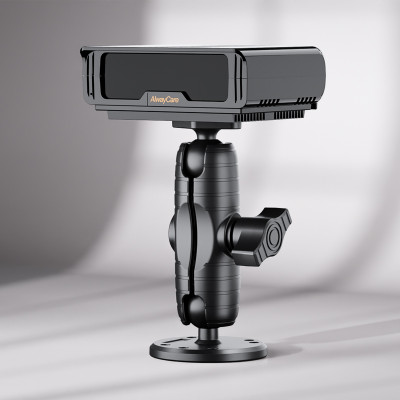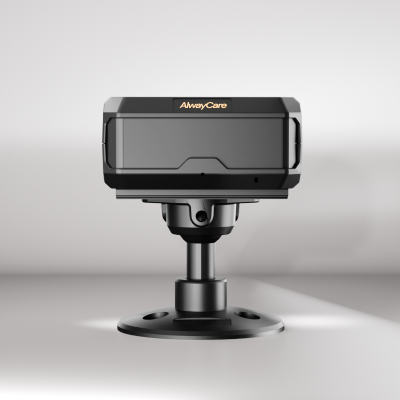
Camera-based ADAS or radar: what is the difference?
Camera-based ADAS recognizes vehicles, pedestrians and lane markings; radar measures distance to objects and works in poor visibility but does not read lanes.
Cameras are affected by glare, dirt and darkness, while radar is less affected by weather but gives less information about what the object is.
Camera ADAS
Recognizes objects and lanes for forward-collision, pedestrian and lane-departure warnings.
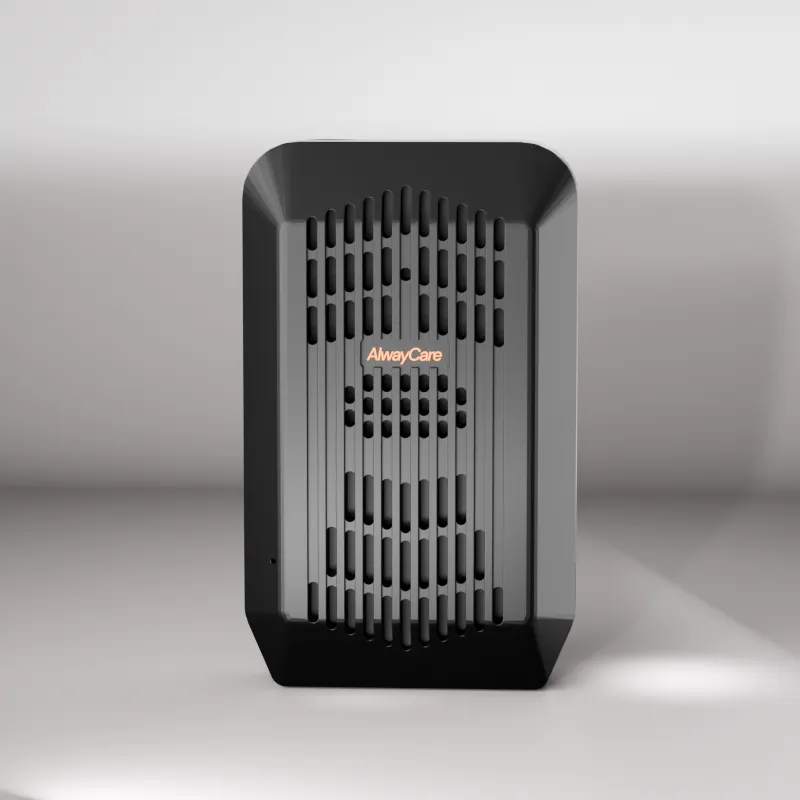
77GHz radar
Measures distance to obstacles from 0.2 to 40 m in dust, rain or darkness.

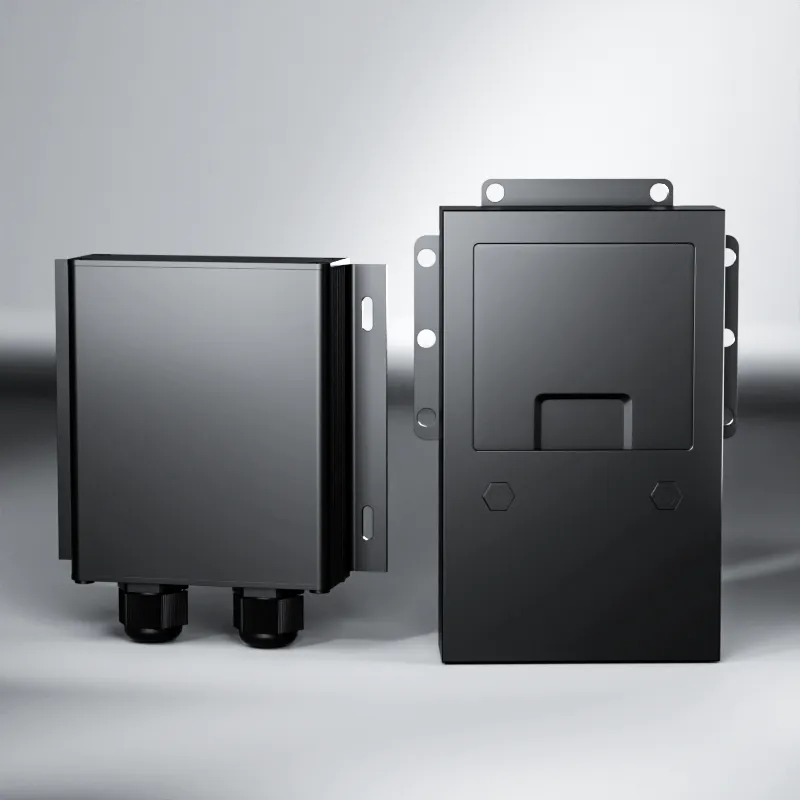
Blind-zone radar
R360 uses four 77GHz sensors around the vehicle with CAN bus output.
Before you deploy
- Neither technology covers every situation; many fleets combine cameras and radar.
- Test both in your vehicles' real operating conditions.
FAQs
- Logistics and transportation FAQ
- Vehicle Manufacturer FAQ
- Mining Fleet FAQ
- Hazardous Chemicals Fleet FAQ
- School Bus Fleet FAQ
- Public Bus Fleet FAQ
- Forklift Fleet FAQ
- Insurance FAQ
- Government and Public Safety FAQ
- In-vehicle Camera Solution FAQ
- Vehicle Positioning Solution FAQ
- Vehicle Surveillance Video Solution FAQ
- 360-degree Detection Solution FAQ
- Blind Spot Solution FAQ
- Anti-Fatigue Solution FAQ
- Anti-collision solution FAQ
- OEM&ODM
- Service FAQ
- Fleet Solutions FAQ