What are the limits of collision warning systems?
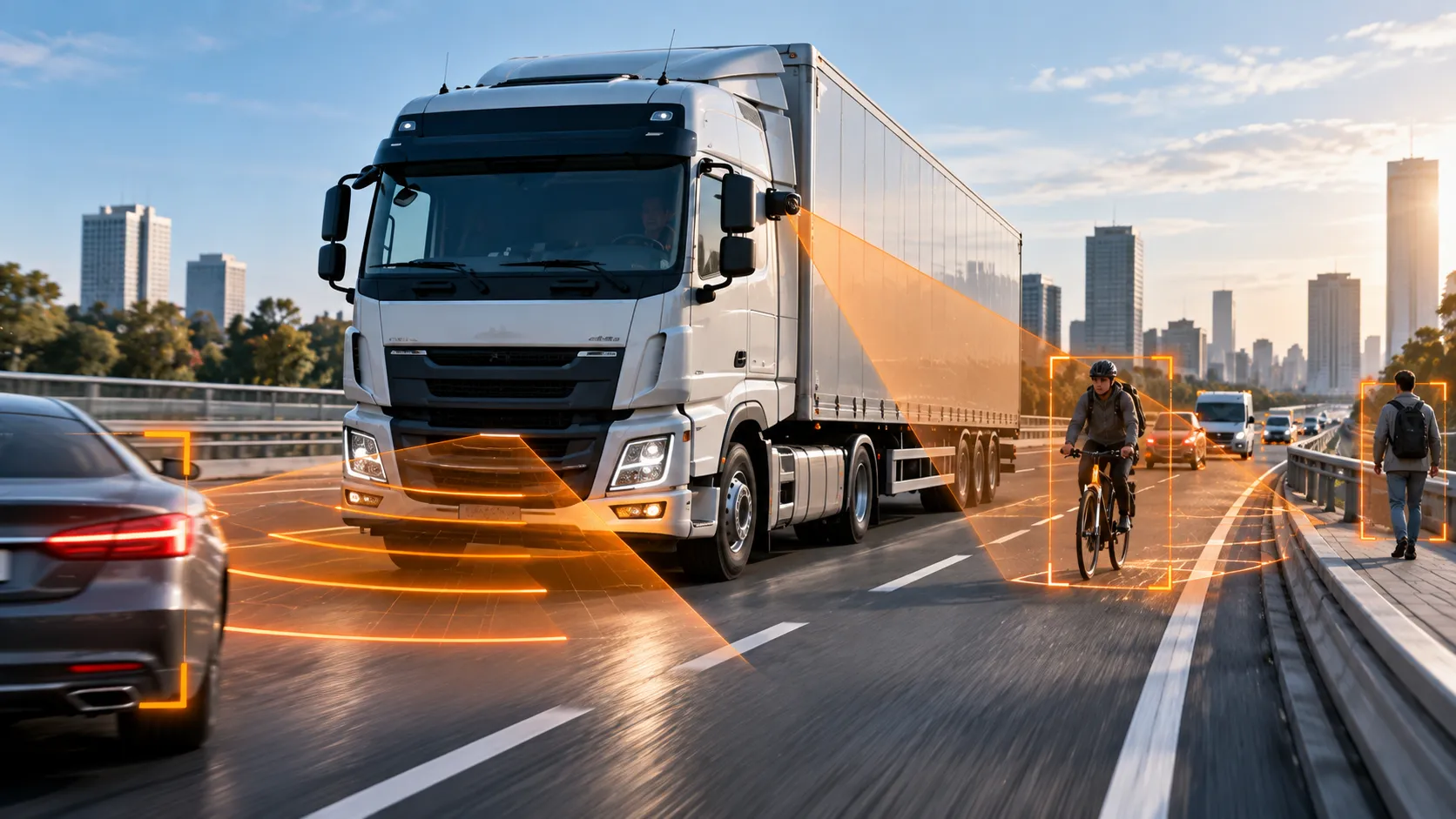
Collision warning systems warn the driver; they do not brake or steer, and their detection depends on sensors, calibration and conditions.
Cameras can be affected by glare, heavy rain, dirt and missing lane markings. Radar can miss small or low objects outside its beam. Warnings work only when drivers respond.
Warnings only
The driver remains responsible for braking and steering.
Conditions matter
Weather, lighting, road markings and sensor cleanliness affect detection.
Test and review
Pilot on real routes and review false and missed alerts.
Before you deploy
- Keep sensors clean and recalibrate after windscreen or mounting changes.
- Train drivers on what each alert means.
FAQs
- Logistics and transportation FAQ
- Vehicle Manufacturer FAQ
- Mining Fleet FAQ
- Hazardous Chemicals Fleet FAQ
- School Bus Fleet FAQ
- Public Bus Fleet FAQ
- Forklift Fleet FAQ
- Insurance FAQ
- Government and Public Safety FAQ
- In-vehicle Camera Solution FAQ
- Vehicle Positioning Solution FAQ
- Vehicle Surveillance Video Solution FAQ
- 360-degree Detection Solution FAQ
- Blind Spot Solution FAQ
- Anti-Fatigue Solution FAQ
- Anti-collision solution FAQ
- OEM&ODM
- Service FAQ
- Fleet Solutions FAQ