EU GSR Compliance Guide: Driver Monitoring Systems (DMS) & Fatigue Detection Mandates
Driver fatigue and inattention account for more than 20% to 30% of severe commercial vehicle collisions worldwide. In response, global regulatory authorities—spearheaded by the European Union—have made optical Driver Monitoring Systems (DMS) mandatory for commercial vehicle type approvals and new registrations under the General Safety Regulation (Regulation (EU) 2019/2144, commonly known as GSR II).
For commercial vehicle manufacturers (OEMs), bodybuilders, and cross-border fleet operators, understanding the distinct technical criteria between Driver Drowsiness and Attention Warning (DDAW) and Advanced Driver Distraction Warning (ADDW) is essential to ensure operational eu gsr dms compliance and avoid regulatory penalties.
1. Regulatory Framework: DDAW vs. ADDW Explained
The European Commission established a phased rollout schedule categorized by vehicle classification (M2/M3 passenger buses and coaches; N2/N3 commercial cargo trucks):
| Regulatory Standard | DDAW (Regulation (EU) 2021/1341) | ADDW (Regulation (EU) 2023/2590) |
|---|---|---|
| Primary Safety Focus | Micro-sleep, chronic drowsiness, fatigue accumulation | Eyes-off-road, smartphone use, cognitive distraction |
| Detection Methodology | Steering fluctuation metrics + driver visual cues (PERCLOS) | Direct optical gaze tracking and head-pose angle analysis |
| Alert Response Time | Progressive escalation based on Karolinska Sleepiness Scale (KSS ≥ 8) | Immediate visual + acoustic alert within 3.5 seconds (diverted gaze) |
| Operating Speed Window | Active above 65 km/h (optional down to 20 km/h) | Active across 20 km/h to 130 km/h |
| Mandatory Sensor Type | Hybrid (Steering sensors + optical) accepted | Mandatory vision-based optical camera (NIR sensor) |
2. Engineering Challenges: Achieving True Optical Compliance
Meeting GSR standards while preventing driver alert fatigue demands sophisticated optical and algorithmic capabilities in your driver fatigue detection system:
- Near-Infrared (NIR) 850nm / 940nm Illumination: Commercial truck drivers operate heavily at night. A compliance-grade dms camera sensor utilizes high-power invisible infrared LEDs paired with narrow bandpass optical filters, delivering crisp facial imaging in pitch-black cabins while filtering out blinding sunlight glare.
- Eyewear & Sunglass Penetration: Drivers frequently wear polarized, tinted, or prescription sunglasses. AlwayCare optical algorithms penetrate dark lenses to track pupils, with automatic fallback to head-pose 3D vector tracking if metal-coated lenses fully occlude the eyes.
- Preventing False driver fatigue alarm Triggers: Overly sensitive systems cause drivers to disconnect safety hardware. AlwayCare algorithms differentiate between benign glances (checking side mirrors for 1 second) and hazardous distraction (looking down at a phone for over 2.5 seconds).
3. Vehicle Integration & Multi-Sensory Warning
When an alert triggers, AlwayCare DMS hardware communicates through three synchronized channels:
- In-Cab Multi-Sensory Warning: High-decibel audio voice alarms paired with an automotive haptic seat cushion vibration motor to immediately arouse micro-sleeping drivers.
- SAE J1939 CAN Bus Broadcast: Standardized telemetry packets broadcast directly to the truck instrument cluster, displaying warning icons.
- Cloud Telematics Push: 4G LTE transmission of a 10-second encrypted video clip to the fleet safety console for coaching records.
4. AlwayCare Compliance-Ready DMS Solutions
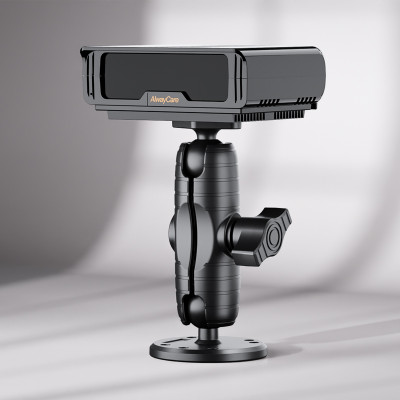
Standalone all-in-one smart terminal combining DDAW/ADDW compliance with forward collision warning (ADAS) and blind spot recognition in a single unit.
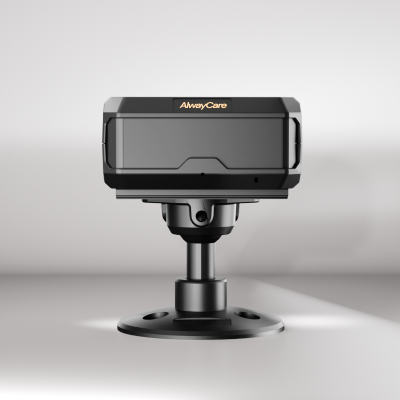
Engineered for passenger transit fleets, providing high-precision facial landmark recognition, face ID driver login, and driver fatigue monitoring.
Dedicated industrial fatigue sensor featuring PERCLOS pupil analysis, speed-linked activation, and optional vibration seat cushion integration.