ELD vs. AOBRD: What U.S. Fleets Need to Know
U.S. hours-of-service technology guide
For U.S. motor carriers subject to the federal ELD rule, the AOBRD transition period is over. Grandfathered automatic on-board recording devices could be used only until December 16, 2019. A fleet reviewing logging technology today should evaluate an electronic logging device, confirm that it appears on the current FMCSA registered-device list, and verify that the deployment fits its drivers, vehicles, operations, and any applicable exceptions.
This guide explains the practical difference between an ELD and an AOBRD without treating the terms as interchangeable or presenting a fleet-safety camera as a compliance device.
"The ELD rule applies to most motor carriers and drivers who are currently required to maintain records of duty status (RODS) per 49 CFR Part 395. The rule strictly mandates certified, registered electronic logging devices that connect directly to the engine ECM to track driving time automatically."
— Federal Motor Carrier Safety Administration (FMCSA) ELD Rule Overview, U.S. Department of Transportation
What Is the Difference Between an ELD and an AOBRD?
Both technologies were designed to support electronic records of a commercial driver's duty status, but they were governed by different technical requirements. An AOBRD followed the older requirements in 49 CFR Part 395.15. An ELD used under the federal ELD rule must meet the ELD technical specifications and be self-certified and registered by its provider with the Federal Motor Carrier Safety Administration.
| Question | AOBRD | ELD |
|---|---|---|
| Current role | Legacy transition technology; the federal grandfather period ended in 2019 | Current device category for drivers and carriers subject to the federal ELD rule |
| Technical framework | Older 49 CFR Part 395.15 requirements | ELD technical specifications under the federal rule |
| Roadside data workflow | Legacy display or document methods | Standardized output and supported transfer methods for safety officials |
| Provider listing | No current transition listing path | Provider self-certification and FMCSA registration are required |
Fact-check basis: FMCSA states that grandfathered AOBRD use ended on December 16, 2019. Device status, revocations, exceptions, and operating requirements should always be checked against current FMCSA information and qualified compliance advice.
What Should an ELD Workflow Cover?
- Driver identification. The correct driver account must be associated with the correct vehicle and duty-status record.
- Automatic driving records. The device records driving activity using required vehicle and engine data when applicable.
- Review and certification. Drivers review records, add permitted annotations, address proposed edits, and certify their records.
- Roadside transfer. Drivers and staff need to understand the supported transfer method and the backup display or print process.
- Back-office retention. The carrier needs procedures for record retention, supporting documents, access, privacy, and audit response.
An ELD can support recordkeeping, but it does not replace scheduling, supervision, driver training, fatigue-risk controls, or management review.

How to Evaluate an ELD Before Deployment
- Confirm applicability: determine which drivers and operations are covered and whether a specific exception applies.
- Check the current FMCSA list: confirm the exact device name and model, not only the vendor's marketing name.
- Review device status: investigate any revoked-device notices, software changes, or replacement instructions.
- Test vehicle compatibility: verify engine synchronization, connectors, mobile hardware, coverage, and power behavior.
- Run a roadside scenario: make sure drivers can display and transfer records using the documented process.
- Define malfunction procedures: document reporting, reconstruction, paper-log, repair, and escalation responsibilities.
- Train every role: include drivers, dispatchers, safety staff, administrators, and anyone authorized to propose edits.
- Control access and retention: set permissions, security, backup, record-retention, and incident-response rules.
ELD, GPS Tracking, and Video Telematics Are Not the Same
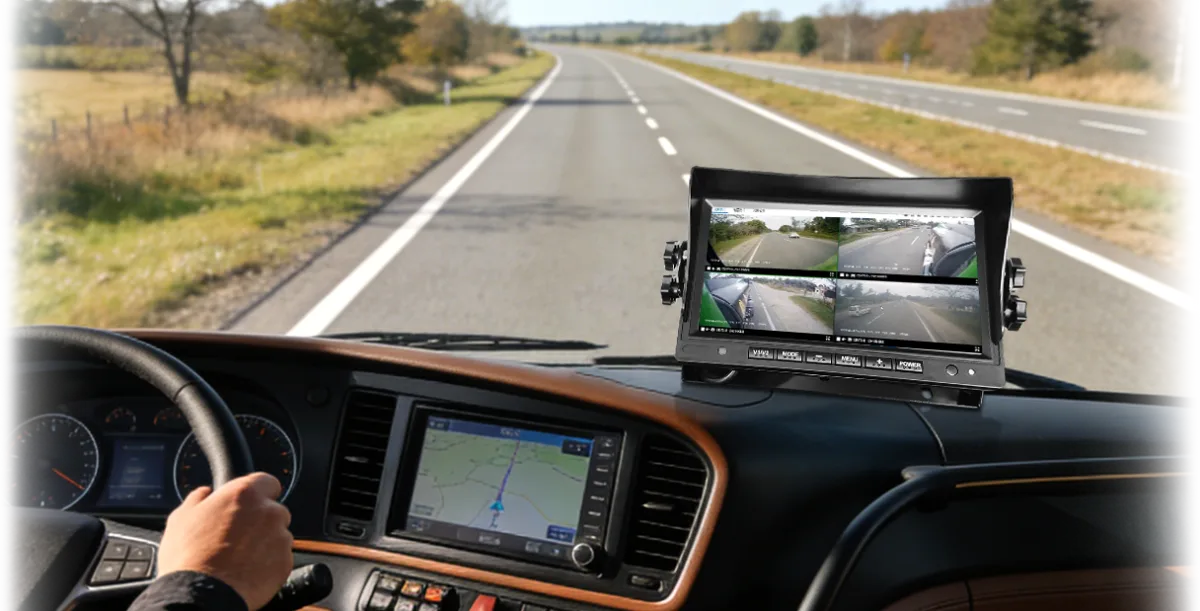
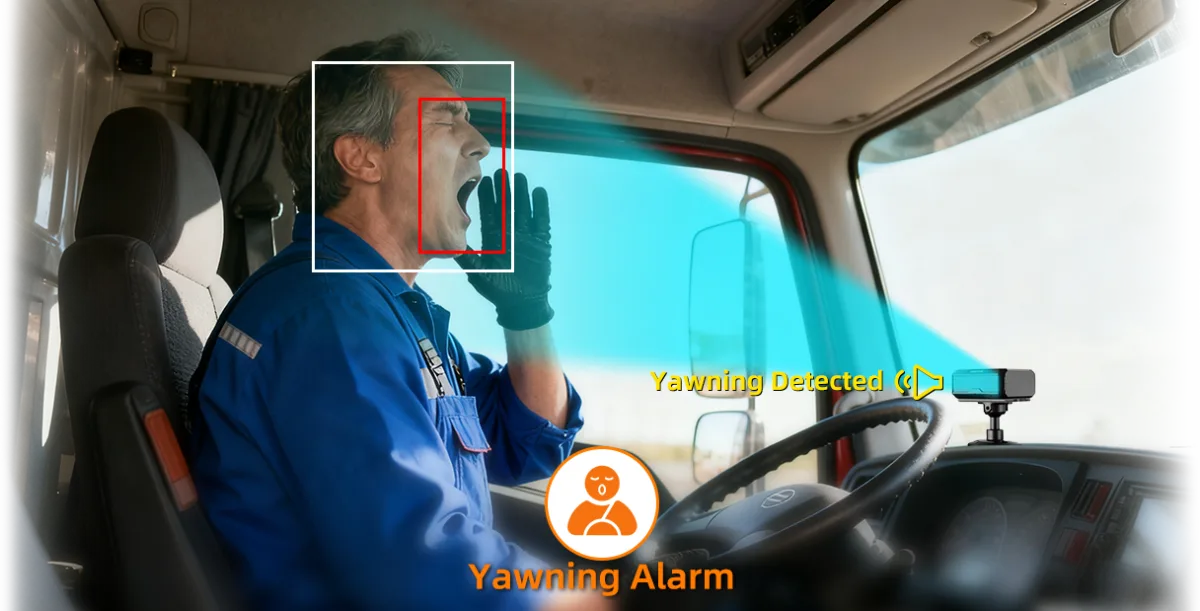
These systems may exchange data, but each has a different primary purpose. An ELD supports regulated hours-of-service records. GPS tracking supports location and movement visibility. Video telematics records or analyzes road and driver events. A driver monitoring system may warn about fatigue or distraction. Buying one category does not automatically satisfy the requirements of another.
Procurement boundary
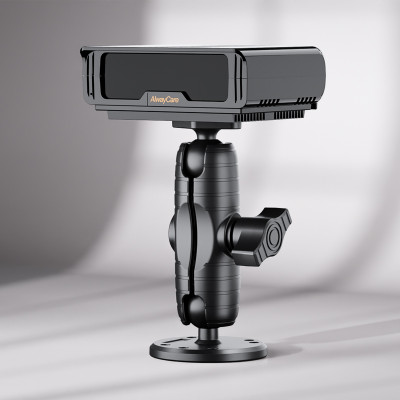
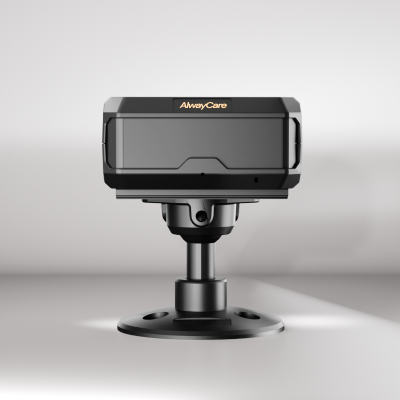
Ask the supplier to identify the exact regulatory function of every component. If a device is represented as a U.S. ELD, verify the exact model on the current FMCSA list. AlwayCare's public product catalog focuses on fleet-safety, video, driver-monitoring, and positioning technology; this article does not represent those products as FMCSA-registered ELDs.
ELD and AOBRD FAQ
Can a U.S. carrier still use an AOBRD?
The federal grandfather period ended on December 16, 2019. A carrier should check current FMCSA requirements and any operation-specific exception rather than relying on legacy AOBRD status.
Does an FMCSA listing mean the agency tested and approved the device?
Providers self-certify and register ELDs. Fleets should review the current list, device status, documentation, support, and real-world compatibility.
Is a GPS tracker automatically an ELD?
No. Location tracking can be part of an ELD system, but a GPS tracker is not an ELD unless the complete device and software meet the applicable requirements and are registered accordingly.
Can a camera or DMS replace an ELD?
No. Cameras and driver monitoring systems address different safety and evidence needs. They may complement an ELD but should not be presented as a substitute.
What should a fleet verify first?
Start with legal applicability, the exact device listing, vehicle compatibility, driver workflow, transfer procedures, malfunction handling, training, and record governance.
Key Takeaway
“ELD versus AOBRD” is no longer a current purchasing choice for U.S. fleets covered by the federal ELD rule. The practical task is to select and operate an appropriate registered ELD, confirm applicability, train users, and keep the full record workflow ready for daily operations and roadside review. Fleets considering complementary positioning, video, or driver-monitoring technology can review the AlwayCare product catalog or contact AlwayCare without treating those systems as an ELD unless separately verified.